Deep Dive Series · Produce Intelligence, People & Power
The Blueberry Billionaire
How John Bragg, a farmer from a Nova Scotia town of 1,200 people, built a secret empire controlling half the world's wild blueberries, and why even McDonald's couldn't touch his market.
~50%
Wild blueberry market controlled
12,000+
Acres of wild blueberry farm
35+
Export countries
1,190
Population of Oxford, Nova Scotia
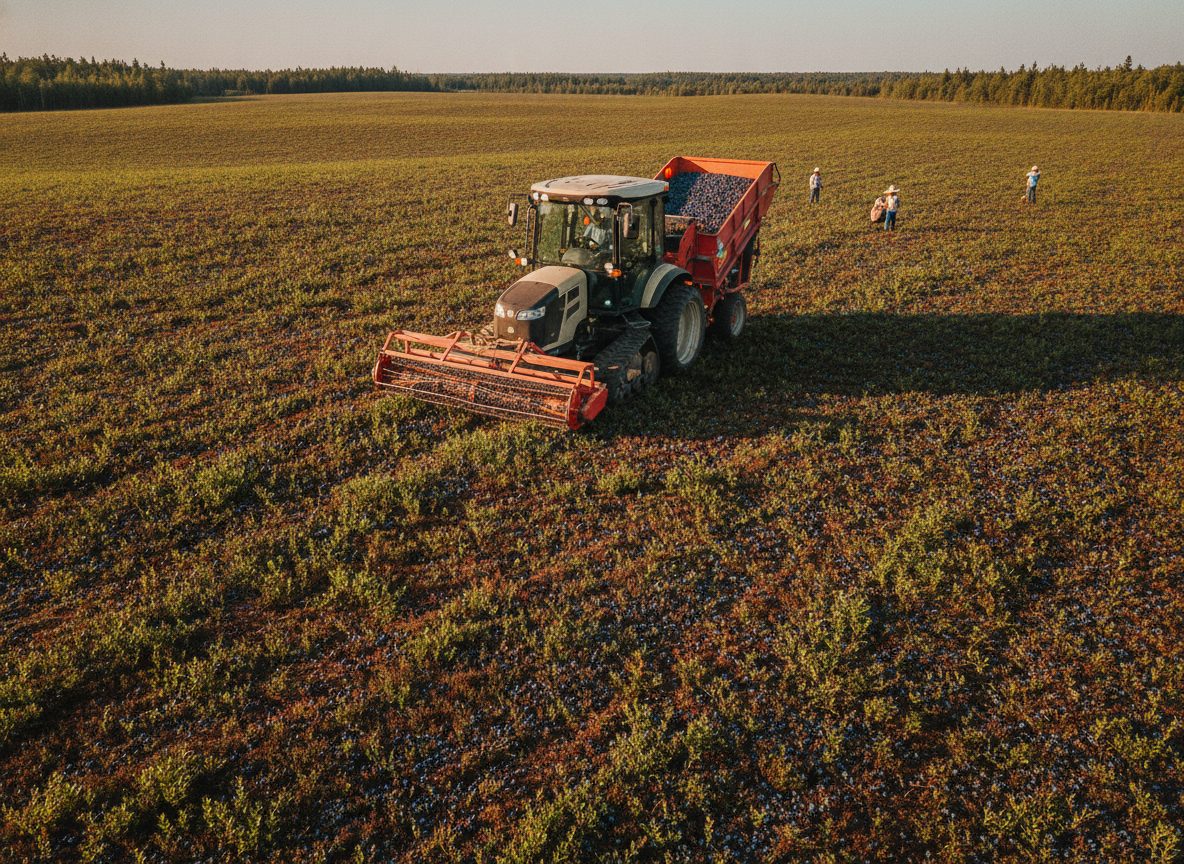
FIG. 02 - HARVESTING THE LOW FIELDS
01
The Man from Oxford: Who Is John Bragg?
John Louis Bragg
Born 1940
Collingwood, Nova Scotia
Est. 1968
Oxford Frozen Foods founded
2 empires
Frozen foods + telecom
Billionaire
Famously private, rarely interviewed
There is almost no one in the global blueberry industry more powerful than John Bragg, and almost no one in the general public who has heard of him. That is, in large part, by design. Bragg is famously private, has never taken his companies public, and has spent 55 years quietly building a market stranglehold from a small town in Atlantic Canada that most Canadians couldn't find on a map.
His origin story is almost comically humble. At 15, growing up in rural Nova Scotia, Bragg picked his first wild blueberry crop from abandoned farmland near Springhill. He earned four thousand dollars from blueberries during his senior year of high school, and never forgot what it felt like to control something from farm to sale. He went to university, earned a commerce degree and education degree, briefly attended Dalhousie Law School, and then quit to go back to blueberries. His family thought he'd lost his mind.
"We literally started in a hayfield in Oxford in 1968. I was a very young blueberry farmer at the time so I decided to be the master of my own destiny. I borrowed money from the province, I was 28 and had no idea what I was doing, but I had the entrepreneurial spirit."
John Bragg, Oxford Frozen Foods
The key decision came in 1967. Nova Scotia had a bumper blueberry crop, which, perversely, was a disaster. Too much fruit, not enough processing capacity, prices collapsed. Bragg looked at the situation and saw the real problem: growers were price-takers, not market-makers. They grew the fruit, someone else controlled what happened next. He built a freezing plant in 1968 in a hayfield in Oxford, Nova Scotia, and took control of his own supply chain. In the first year, a June frost wiped out most of the blueberry crop in Nova Scotia. The banks nearly pulled out. Bragg persevered. That stubbornness in year one set the template for everything that followed.
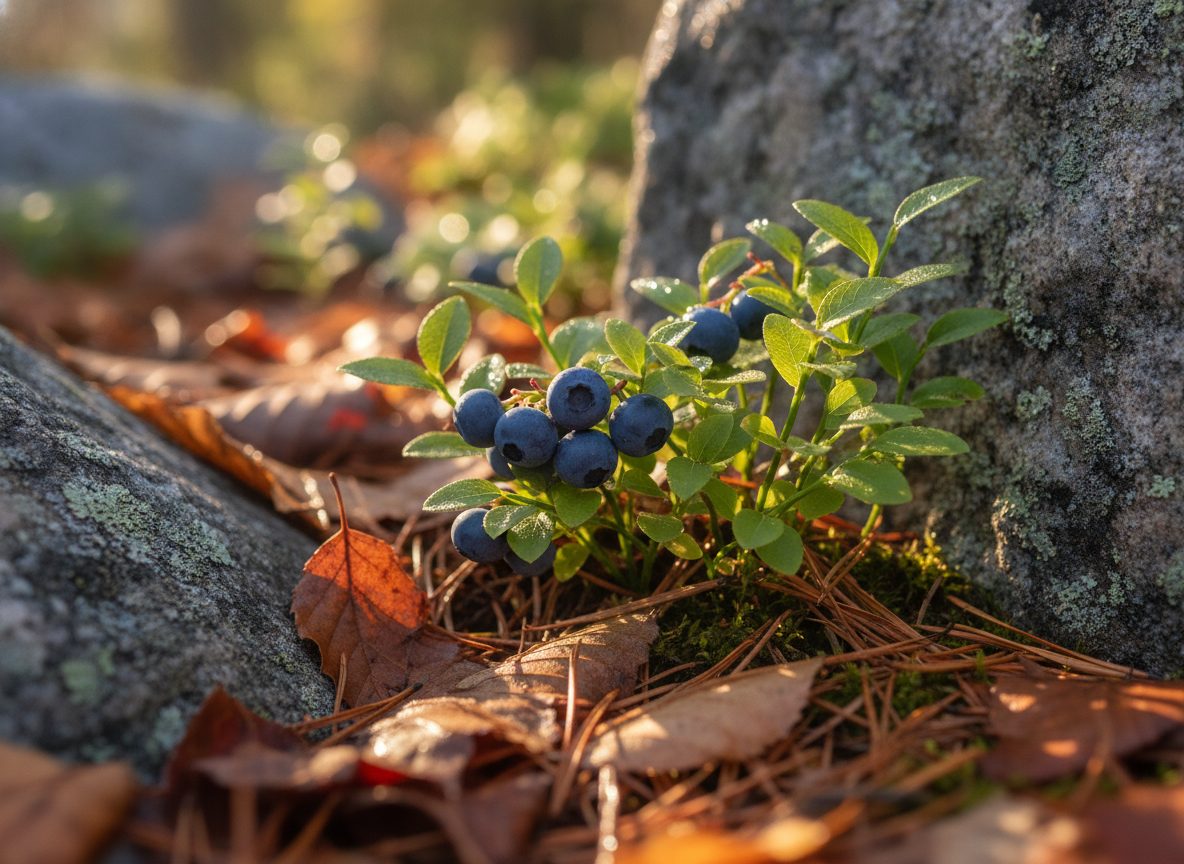
FIG. 03 - THE WILD BERRY, ACTUAL SIZE
02
Building the Empire: A Timeline
1955
First Harvest
Age 15. John Bragg picks his first wild blueberry crop from abandoned farmland near Springhill, Nova Scotia. He earns $4,000 in his senior high school year, a number he never forgets. The wild blueberry industry at this point is a cottage operation: small growers, hand raking, no cold chain, entirely domestic.
1967
The Bumper Crop Problem
Nova Scotia produces a record blueberry crop. Prices collapse. Growers can't move fruit. Bragg recognises the structural problem: there is no processing infrastructure to absorb supply volatility. He decides to build a plant himself, not just to solve his own problem, but to anchor the whole local industry.
1968
Oxford Frozen Foods Founded
Bragg opens his first blueberry processing plant in a hayfield in Oxford, Nova Scotia. A June frost immediately wipes out the crop. The banks consider pulling out. Bragg borrows from the provincial government and presses on, the first of many instances of holding nerve when others wouldn't.
1970s
The Improbable Pivot: Cable Television
While running a blueberry processing company in rural Nova Scotia, Bragg launches a cable television operation. His reasoning: rural communities need connectivity, the infrastructure investment mirrors the patience required in agriculture, and nobody else wants to do it. The cable operation eventually becomes Eastlink, today Canada's largest privately held telecommunications company.
1983
Transformative Acquisition in Maine
Bragg acquires a significant blueberry operation in Maine, one of the other great wild blueberry regions in North America. He routinely pays more than competitors for acquisitions, sometimes double, reasoning: "It's only available once." This move positions Oxford as a truly continental force, not just a Canadian regional operation.
1990s
Inventing the Mechanical Harvester
Hand-raking wild blueberries was the industry standard, slow, expensive, labour-intensive. When labour supply couldn't keep pace with Bragg's growing volumes, the Bragg family developed their own mechanical harvester. This single innovation transformed the economics of wild blueberry production and is now standard across the industry. Oxford shared the technology freely.
1990s–2000s
Building the Export Market from Scratch
Wild blueberries were barely known outside North America. Bragg co-founds the Wild Blueberry Association of North America and spends years developing export markets in Europe, Japan, and South Korea, positioning wild blueberries as a "superfood" premium product, not a commodity. Today Oxford exports 75% of its production to 35+ countries. He did not invent the superfood narrative, but he industrialised it.
2024
The Knowledge Project Interview
In a rare public interview with Shane Parrish on The Knowledge Project podcast (Episode 204, October 2024), 84-year-old Bragg discusses his business philosophy for the first time at length. The episode goes viral in entrepreneurial circles. Oxford Frozen Foods still controls roughly 40–50% of the global wild blueberry market. Bragg has never taken a company public.
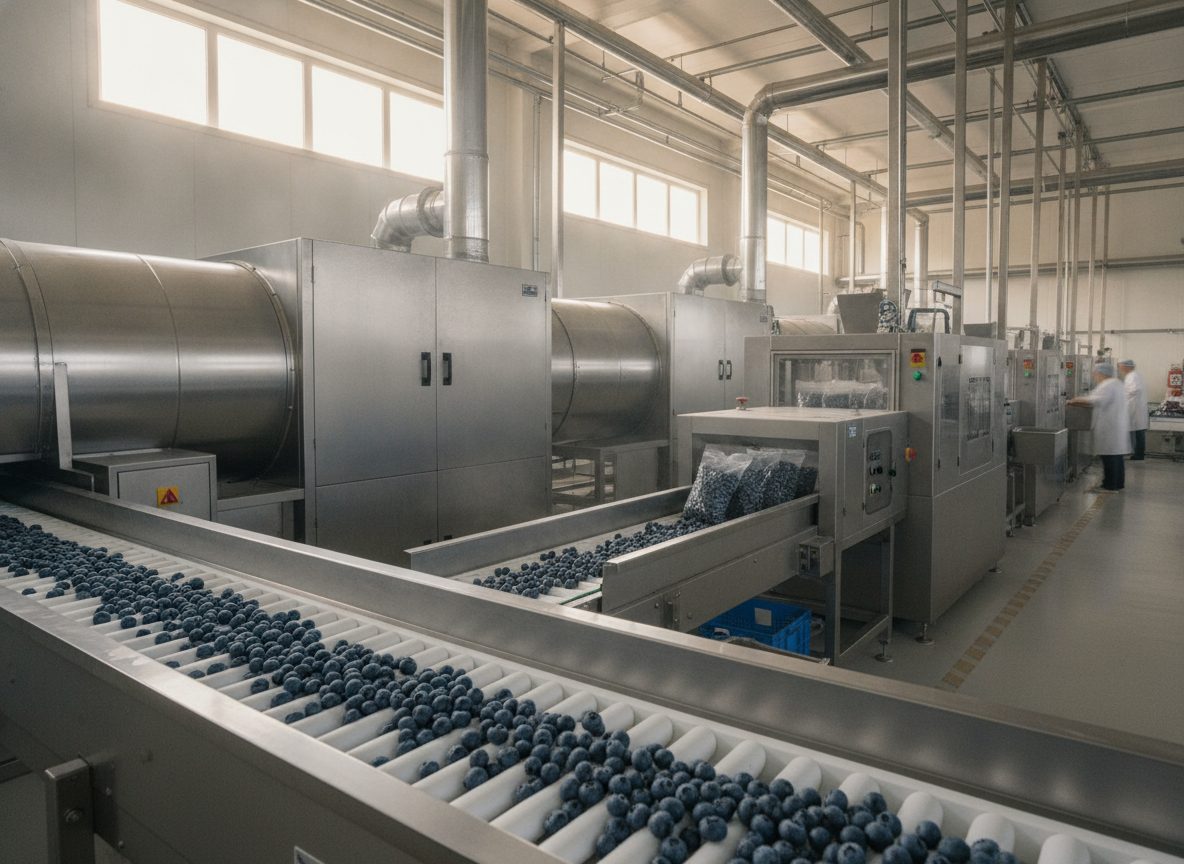
FIG. 04 - INSIDE THE FREEZER LINE
03
Why McDonald's Can't Touch Wild Blueberries
The McDonald's story is one of the most revealing illustrations of what Bragg actually built, and of how concentrated the wild blueberry market truly is.
McDonald's, operating at US scale (around 14,000 restaurants in the US alone), routinely stress-tests new menu items against one brutal constraint: can the global supply chain actually support it? The answer, for wild blueberries, is essentially: barely.
🍔
When McDonald's Tried to Add Blueberries
When McDonald's introduced Blueberry Smoothies across the US, they immediately consumed one third of the entire blueberry market overnight. A single menu addition at one fast food chain, not a new restaurant, not a new market, just one item on the existing menu, moved a third of global trade. A former McDonald's corporate chef has separately described how the chain once considered creating a fresh blueberry item, ran the supply numbers, and found that the estimated volume "used up the world's resources of blueberries." The item was never launched.
This is the market Bragg built his empire inside. Not cultivated highbush blueberries, which are the global commodity that Peru and Morocco and Chile now produce at scale, but wild blueberries: a different product entirely, smaller, more intensely flavoured, grown in specific barrens in Maine, Quebec, New Brunswick, and Nova Scotia, and not replicable anywhere else on earth.
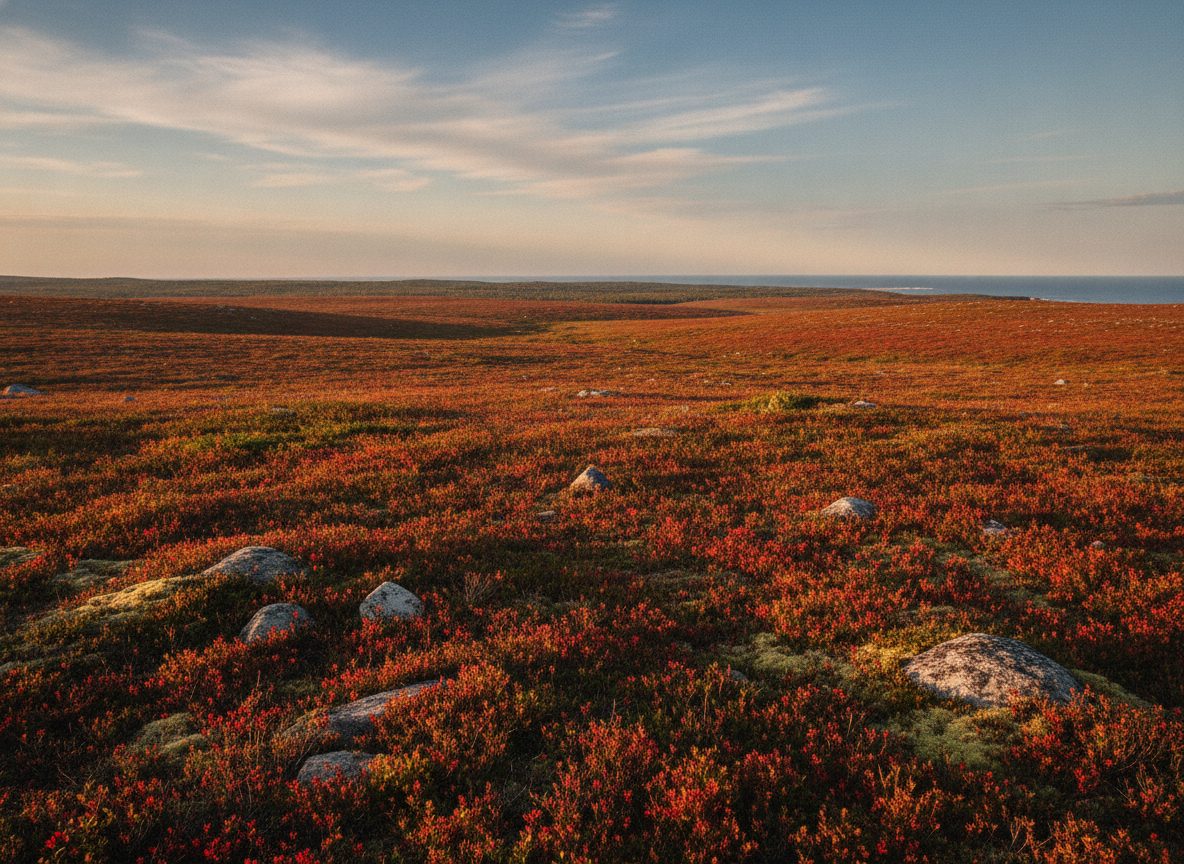
Wild blueberry land is not planted, it's managed. The plants grow naturally in the barrens; growers clear, burn, and maintain the land to encourage the fruit. You cannot create new wild blueberry production the way you can plant a new highbush orchard in Peru. The supply is, by definition, geographically bounded. Bragg understood this constraint early and spent decades acquiring the land and the processing infrastructure to control it.
"What's good for the industry is good for everyone. He wasn't competing against other blueberry growers; he was competing against every other fruit."
The scale of Oxford's dominance is difficult to fully internalise. Oxford Frozen Foods harvests as much as 70 million pounds a year from its own farms and processes an additional 100 million pounds from other growers. The wild blueberry industry has grown tenfold during Bragg's career, and a substantial portion of that growth is because Bragg built the processing, cold chain, and export market infrastructure that made it possible for any wild blueberry to reach a consumer outside North America.
Wild Blueberry Market, Oxford Frozen Foods' Position (Estimated)
Oxford Frozen Foods
~40–50% of global wild market
Other processors (Maine)
~25% est.
Quebec / Other Canada
~15% est.
Rest of World
~10% est.
Source: Dalhousie University / Atlantic Agricultural Hall of Fame · Estimates based on industry reporting. Wild blueberry ≠ cultivated highbush blueberry (the global commodity from Peru, Chile, Morocco etc.)
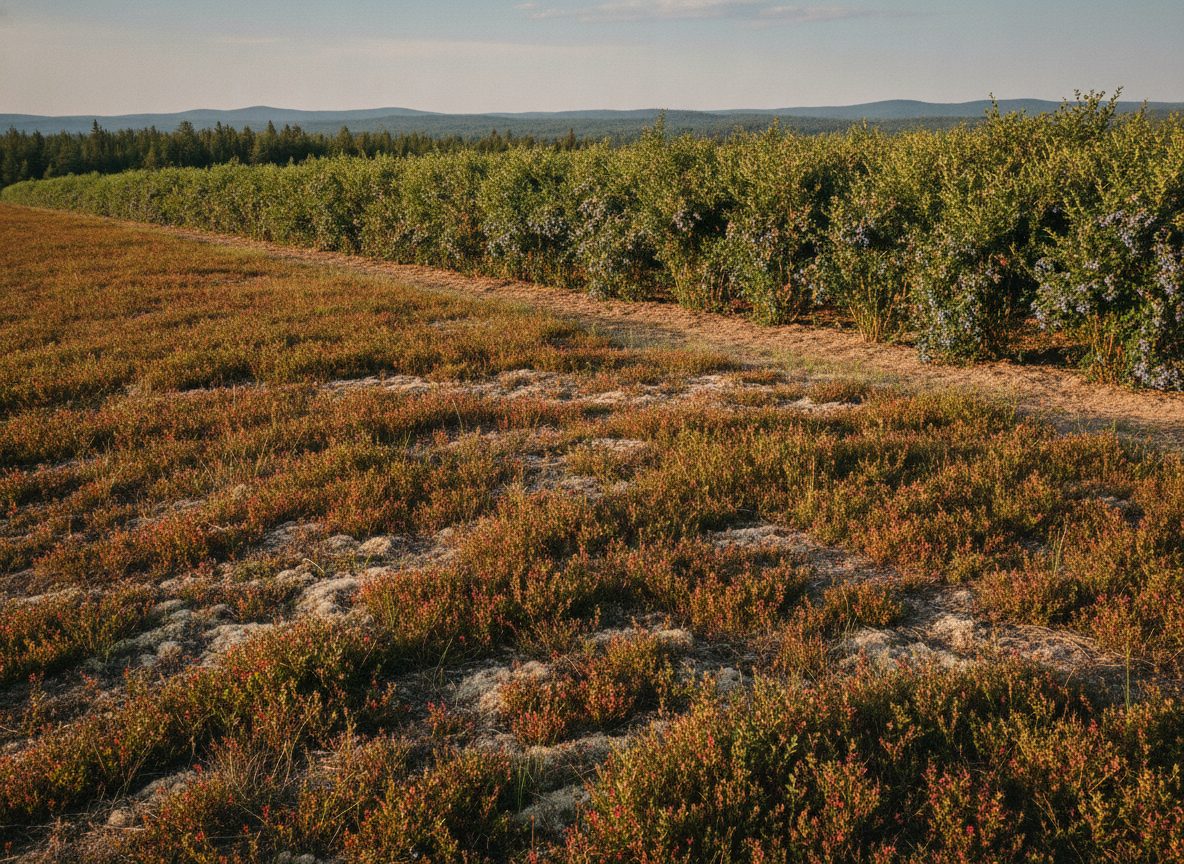
FIG. 05 - WILD BESIDE CULTIVATED
04
The Bragg Playbook: How He Did It
The Knowledge Project interview, and the biography The Rural Entrepreneur by Donald Savoie, reveal a set of principles that run consistently across both Oxford Frozen Foods and Eastlink. They are contrarian, patient, and entirely at odds with how most modern businesses are run.
01
Never Go Public
Bragg has never taken either of his major companies public. His stated reasoning: "It's costly to be public, and it slows you down." Public companies need board approvals, quarterly guidance, regulatory filings. When his engineers recommended new technology, he gave them $10 million the same day. Speed and discretion compound over decades in ways quarterly reporting never allows.
Overpay for Scarcity
02
Bragg routinely paid more than competitors for acquisitions, sometimes double. His reasoning is simple: "It's only available once." Wild blueberry barrens cannot be replicated. Processing facilities in the right location are rare. When opportunities are genuinely scarce, the person willing to pay what it takes wins. The people who nickel-and-dime their way out of great deals spend years regretting it.
03
Grow the Whole Industry
Oxford funds research on wild blueberry cultivation and shares findings freely with all growers, including competitors. The mechanical harvester they invented is used across the industry. The export markets Bragg built through the Wild Blueberry Association benefit every producer, not just Oxford. The logic: a small share of a huge market beats a large share of a tiny one.
04
Compound for Generations
For fifty years, Bragg reinvested every dollar back into growth. No dividends to outside shareholders, no short-term extraction. He thought in generations, which, when you own the land and the processing and the export relationships, is the only sensible timeframe. In a world of quick flips and fast exits, the person willing to wait 20 years has essentially no competition.
05
Control the Supply Chain
The 1967 bumper crop taught Bragg the foundational lesson: growers who don't control processing are price-takers, not market-makers. His first act was to build a freezing plant. Every subsequent move, acquiring Maine operations, building export channels, developing the mechanical harvester, was about owning more of the chain between field and consumer.
06
Rural as Competitive Advantage
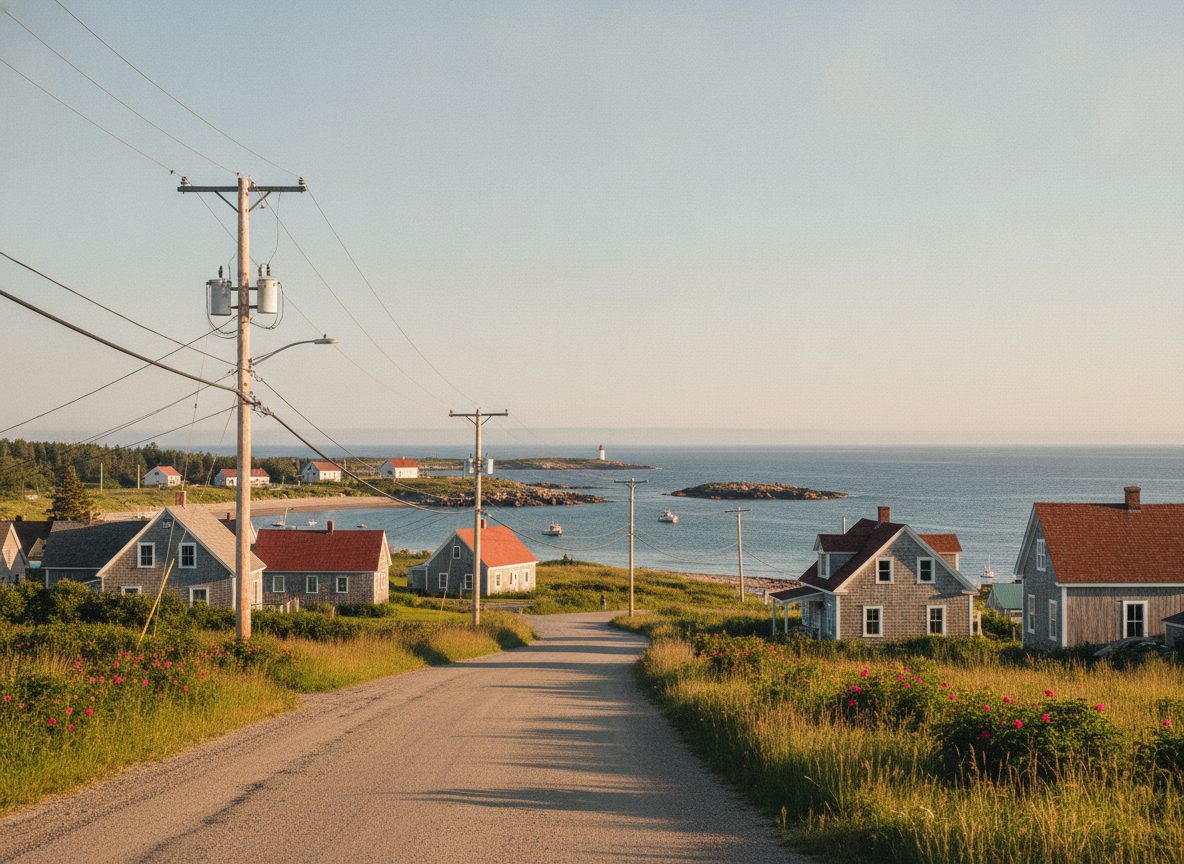
Oxford Nova Scotia has a population of 1,190. Bragg built a global empire there and has no interest in moving it. Lower costs, deep community loyalty, long-tenured employees, a housing programme to help staff buy homes. His workforce is not a talent market, it's a community. The people who stayed built something lasting. Silicon Valley would have called it a disadvantage.
FIG. 06 - THE RURAL NETWORK
05
Wild vs. Cultivated: Two Different Industries
Understanding the Bragg empire requires understanding a distinction most consumers never make: wild blueberries and cultivated blueberries are essentially different products, grown in completely different ways, with different supply dynamics, different flavour profiles, and different market trajectories.
🌿
Wild Blueberries (Vaccinium angustifolium)
Grow naturally in "barrens" in Maine, Nova Scotia, Quebec, and New Brunswick. Managed, not planted, by clearing, burning, and selective maintenance of naturally occurring plants. Smaller berries, more intense flavour, higher antioxidant density. Supply is geographically bounded and cannot be replicated elsewhere. Production is biennial, fields rest every other year. Primarily sold frozen. Oxford Frozen Foods controls roughly half the global supply.
🌱
Cultivated Highbush (Vaccinium corymbosum)
Planted orchards. The global commodity, what Peru, Chile, Morocco, Spain, and the USA produce at industrial scale. Larger berries, milder flavour, sold fresh. Can be grown anywhere with the right variety and climate management (see: the entire season extension story). Supply is elastic, you can plant more. This is the 12× growth-since-2001 story. Subject to price pressure from oversupply. A completely different market to wild.
Factor
Wild Blueberry
Cultivated Highbush
Primary form sold
Frozen (IQF)
Fresh (punnets)
Supply elasticity
Low, geographically bounded
High, plantable globally
Key markets
Food manufacturing, smoothies, health
Fresh retail, foodservice
Price trend
Stable, premium positioning
Declining, structural oversupply
Antioxidant content
Higher (smaller berry, thicker skin)
Lower per unit weight
Market leader
Oxford Frozen Foods (Bragg)
Peru, Chile (no single dominant player)
Competitive moat
Geographic scarcity + supply chain control
Genetics IP + agronomic efficiency
The irony is that the cultivated highbush boom, the Peru story, the genetics companies, the 12× production growth, has actually helped Bragg's wild blueberry market by normalising blueberry consumption globally. More people eating more blueberries means more demand for the premium frozen wild product. Bragg didn't plant a single bush in Peru, but the industry's rise created tailwinds for his frozen business.
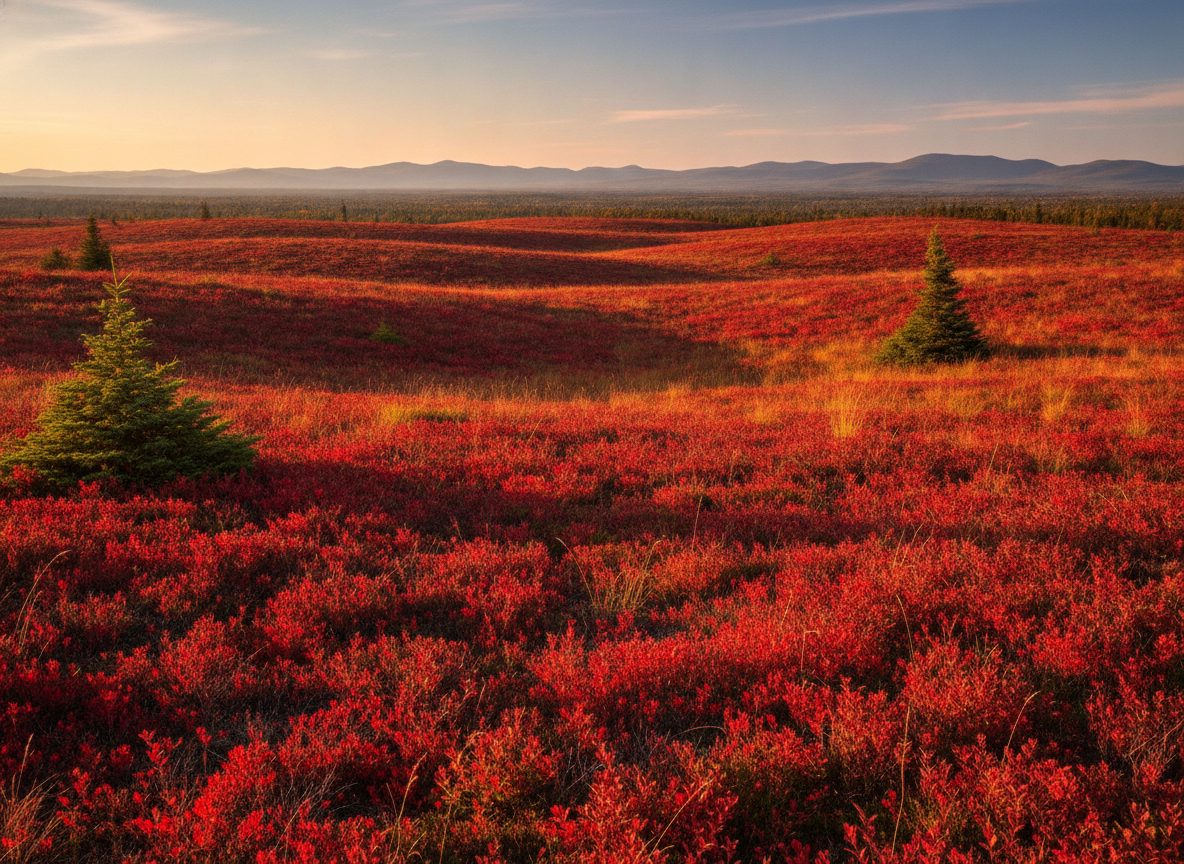
FIG. 07 - BARRENS TO THE HORIZON
06
The Other Empire: Eastlink Telecom
No account of John Bragg is complete without the second, stranger story: the blueberry billionaire who also built Canada's largest privately held telecommunications company.
In the 1970s, while running a blueberry freezing operation in rural Nova Scotia, Bragg obtained a licence to operate cable television in the region. His logic was simple: rural communities needed connectivity; the capital intensity and long-horizon nature of infrastructure investment suited him perfectly; and no large player wanted to serve small Maritime towns. The patience required to build a telecom network and the patience required to wait out a bad blueberry harvest are, it turns out, the same muscle.
📡
Eastlink: The Scale
From a local cable operation in Oxford, NS, Eastlink grew through acquisitions to become the largest privately held telecommunications company in North America. It provides cable, internet, and mobile service across Atlantic Canada, Ontario, Alberta, and other regions. Bragg refused to take it public despite pressure, "it's costly to be public, and it slows you down." He eliminated $4 million in overhead the same day he acquired a publicly traded competitor.
🔗
The Common Thread
Both businesses share the same DNA: serve underserved rural markets, invest for the long term, control the infrastructure, stay private, and reinvest. Blueberry barrens and fibre networks both reward patient capital. Both require community relationships. Both have geographic moats. Bragg didn't diversify randomly, he applied the same principles to a different sector and found they worked just as well.
07
Outlook: What Comes Next for Wild Blueberries
🧬
Succession & Continuity
Bragg is 85. Oxford Frozen Foods and Eastlink remain privately held by the Bragg family. The succession question, how two multi-billion-dollar privately held businesses transfer across generations without the discipline of public markets, is the defining strategic question for the next decade. Bragg has explicitly designed both companies to "thrive for generations, not just quarters."
💪
The "Superfood" Premium Holds
Wild blueberries occupy a defensible premium niche: higher antioxidants, frozen format (longer shelf life), distinct provenance, supply-constrained. As cultivated highbush prices decline under global oversupply pressure, wild blueberries' premium positioning looks increasingly strong by contrast. The market Bragg built has natural protection from the very forces commoditising the rest of the industry.
🌡️
Climate Risk to the Barrens
Wild blueberry production in Maine and Atlantic Canada depends on specific frost patterns, rainfall, and biennial production cycles. Climate volatility, erratic spring frosts, drought stress, warmer winters disrupting dormancy, is a growing risk. Unlike cultivated highbush producers, wild blueberry growers cannot move to a new geography. The barrens are where they are.
🌏
Asia Growth Opportunity
Japan and South Korea are already established wild blueberry markets developed largely by Bragg's export push. China remains underdeveloped despite its size. As Chinese middle-class health consciousness drives demand for premium superfoods with provenance stories, wild blueberries, marketed as uniquely North American, naturally grown, antioxidant-rich, have a compelling narrative. Oxford is already positioned there.
🫐
The Bragg Story and the Blueberry Story Are the Same Story
The cultivated highbush industry, Peru, Morocco, genetics companies, season extension, is the story of technology and capital conquering geography. John Bragg's story is the opposite: a man who found a geography that couldn't be conquered and built walls around it. Two different strategies for two different products, both called "blueberries." One has generated a 12× production boom, structural oversupply, and declining prices. The other has generated a private billionaire in a town of 1,200 people who controls half the world's supply of something McDonald's can't even put on its menu without breaking the market. Both are extraordinary. They just point in entirely different directions.