The Spectrum, What We're Actually Talking About
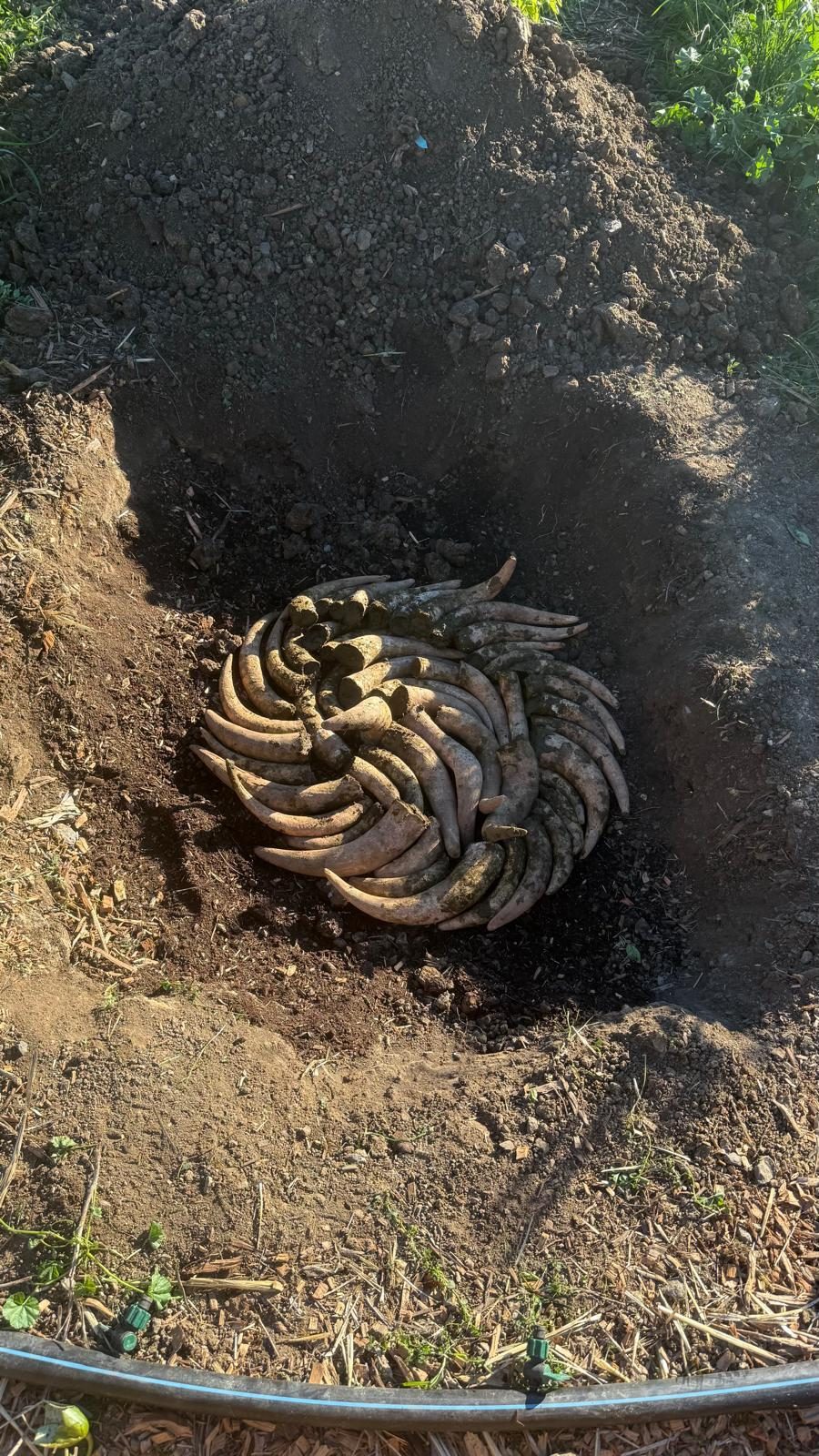
The word "compost" is one of the most misleading terms in agriculture. It describes, in the same breath, a living, biodynamically-prepared soil amendment hand-crafted from plant-based inputs and laced with valerian and yarrow, and a dark, odourless pellet manufactured from the semi-treated excrement of a city of three million people, blended with microplastics, PFAS compounds, and whatever pharmaceutical residues survived the wastewater treatment process. Both are legal. Both are sold as soil inputs. Both are called compost.
This report maps that full spectrum, from the regenerative tier that Ian and his biodynamic operation represent, through the middle grades of commercial green-waste and municipal organics processing, down to the bottom of the pile where "compost" is little more than sanitised landfill diversion with a branding problem.
Compost Quality Continuum, Simplified
Watch This
The labelling problem is the problem. A bag at your local hardware store marked "Premium Compost, Enriched with Organics" could be Tier 3 green waste with microplastic fragments or composted biosolids with documented PFAS contamination. There is currently no mandatory labelling standard in most countries requiring disclosure of feedstock origin. You are expected to trust the brand. Most people do.
"In 2023, nearly 4.5 billion pounds of biosolid sludge were applied to US farm fields or used in compost. There are no national requirements to test those biosolids for PFAS, or to warn farmers."
Environmental Working Group, January 2025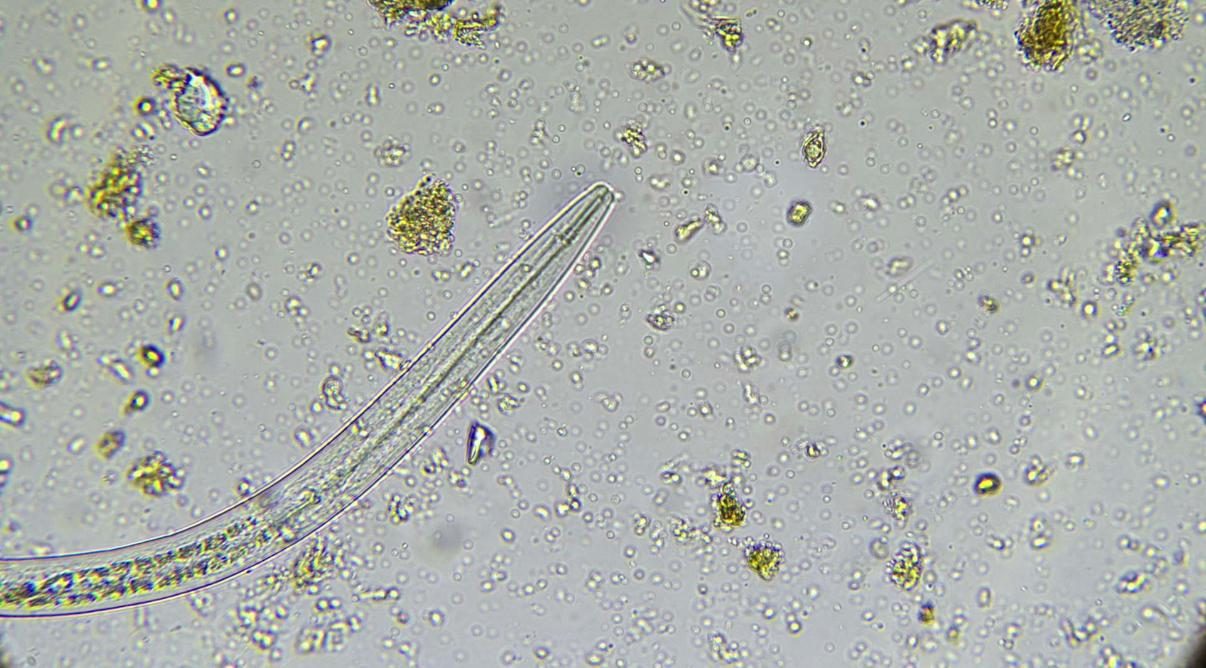
The Science, What Decomposition Actually Does
At its core, composting is the managed aerobic decomposition of organic matter by microbial communities, bacteria, fungi, actinomycetes, protozoa, and invertebrates working in succession through thermophilic, mesophilic, and maturation phases. What emerges, if done well, is something radically different from what went in: a stable, humus-rich material colonised by billions of microbial organisms per gram, structurally transformed in ways that make nutrients plant-available in entirely different forms than raw inputs.
The thermophilic phase (55–70°C) is where pathogens are killed, weed seeds destroyed, and the primary decomposition of labile organic matter occurs. The maturation phase is where the real character of compost is built, humic and fulvic acids form, fungal networks establish, microbial diversity peaks, and the material develops what soil scientists call "biological buffering capacity." This is the part most commercial operators cut short.
A 27-year German long-term trial found that biodynamically prepared farmyard manure compost produced significantly enhanced microbial functional diversity compared to conventional inputs, as measured by the respiratory response across 17 organic substrates. The biodynamic preparations did not increase yield, but they built a richer, more capable microbial community.
This is the counterintuitive finding of biodynamic compost science: the gains are often not in immediate yield but in the quality and complexity of the soil ecosystem being assembled. You are building a biological infrastructure.
"Compost has indirect benefits beyond nitrogen supply, enhanced nitrogen use efficiency, increased microbial abundance, improved disease suppression, better nutrient retention, and greater overall soil quality."
Frontiers in Soil Science, 2022Biodynamic preparations (BD 502–507: yarrow, chamomile, stinging nettle, oak bark, dandelion, valerian) are claimed to stabilise nitrogen, multiply microbial diversity, and guide the humus-forming process. The science on this is contested but not dismissible. Long-term trials in Switzerland (the DOK trial, running since 1978) and Germany consistently show higher soil microbial biomass, higher enzyme activity, and stronger fungal ergosterol content in biodynamically managed soils compared to equivalent organic systems without preparations. The mechanism remains unclear. The effect is real enough that serious soil scientists keep studying it.
The Dark Side, PFAS, Microplastics & the Biosolid Crisis
Here is where the story gets uncomfortable. The composting industry has a contamination problem it has been slow to acknowledge, driven by the same structural incentive that makes the problem hard to fix: composting is positioned as a sustainability solution. The whole narrative depends on compost being good. Acknowledging that significant volumes of commercial compost are vectors for permanent chemical contamination threatens that narrative, and the economics that depend on it.
"A 2019 study that analysed municipal organic solid-waste composts detected PFAS in all of them, including PFOA and PFOS, the most studied and regulated 'forever chemicals'."
Goldberg Segalla Environmental Law Monitor, 2023PFAS Contamination by Compost Type
Measured in micrograms per kilogram (µg/kg), sourced from peer-reviewed studies 2019–2024. Lower is safer. No global regulatory standard currently exists for PFAS in compost.
Clean, traceable feedstocks. No sewage inputs. Lowest contamination risk. Not yet systematically tested in peer-reviewed literature, which is itself an opportunity for Ian-type operators to demonstrate via third-party lab testing.
Even "pure" yard waste compost has been found to contain PFAS, likely from treated wood, pesticide-sprayed plants, and atmospheric deposition on garden materials. Co-occurrence with LDPE and PET plastics also documented.
Food waste plus leaves plus horse manure streams. Elevated PFAS from food packaging, grease-proofed containers, and "compostable" serviceware, which is among the highest vectors identified. A single fair's composted serviceware tested at 209–455 µg/kg.
A 2024 study identified 160 different PFAS compounds in biosolids and compost, with total concentrations reaching 580–1,300 µg/kg. Land applied to approximately 70 million US farmland acres. EPA risk assessment underway; PFAS biosolids regulation remains absent at federal level.
The Regulatory Gap
In 2023, approximately 60% of all US-generated biosolids were land-applied, that's nearly 4.5 billion pounds on farm fields and in compost. There are no national requirements to test biosolids for PFAS or to warn farmers they could be applying contaminated material to food crops. The EPA's own risk assessment was only completed in late 2024. A federal lawsuit (Farmer v. EPA, 2024) is attempting to compel regulatory standards. Until then, farmers, and consumers, are largely flying blind.
Microplastics: The Other Contamination Story
Separate from PFAS, microplastics in compost represent a parallel and underappreciated contamination pathway. North American croplands receive an estimated 44,000–300,000 metric tonnes of microplastics per year from wastewater sludge and biosolid application alone. Compost is increasingly identified as a dominant pathway for microplastic introduction into agricultural soils.
The irony of "biodegradable" plastics is acute here. So-called compostable plastics (PLA, PBAT, etc.) used in serviceware and bags do not fully degrade under realistic composting conditions. They fragment into sub-millimeter pieces with altered surface chemistry that may make them more persistent, not less, than conventional plastics. BDP fragments below 1mm have been found in finished compost at up to 0.43% of dry weight.
The Market, Scale, Players & Money
Compost is not a cottage industry. Global production exceeded 310 million tonnes in 2024, with the market valued at approximately USD 8–9 billion and growing at 7–10% CAGR depending on the methodology. The industrial composting sector is dominated by waste-management companies who process municipal streams; the premium end is fragmented, dominated by small operators, and chronically underfunded relative to its agricultural importance.
Market Structure, Key Players
Global waste management giant with large-scale composting operations across Europe, North America, and Asia-Pacific. Primarily processes municipal waste streams. Scale-first model; premium quality is not the proposition.
One of the largest compost producers in North America, operating permitted Class A biosolids composting facilities. Processes municipal sewage sludge, the highest contamination risk tier.
Specialises in organic and food waste composting. Serves the premium end of the commercial market. Better feedstock control than biosolid processors, though still far from biodynamic quality.
Holds ~7% global share through liquid and solid biological compost products. Bridges the gap between industrial and biological approaches. Focuses on microbial diversity as a selling proposition.
Not a producer, but the gatekeeper of the highest quality tier. Certifying biodynamic farms in 50+ countries since 1928. The only certification standard that exceeds organic in both inputs and method. All Demeter farms are also dual-certified organic.
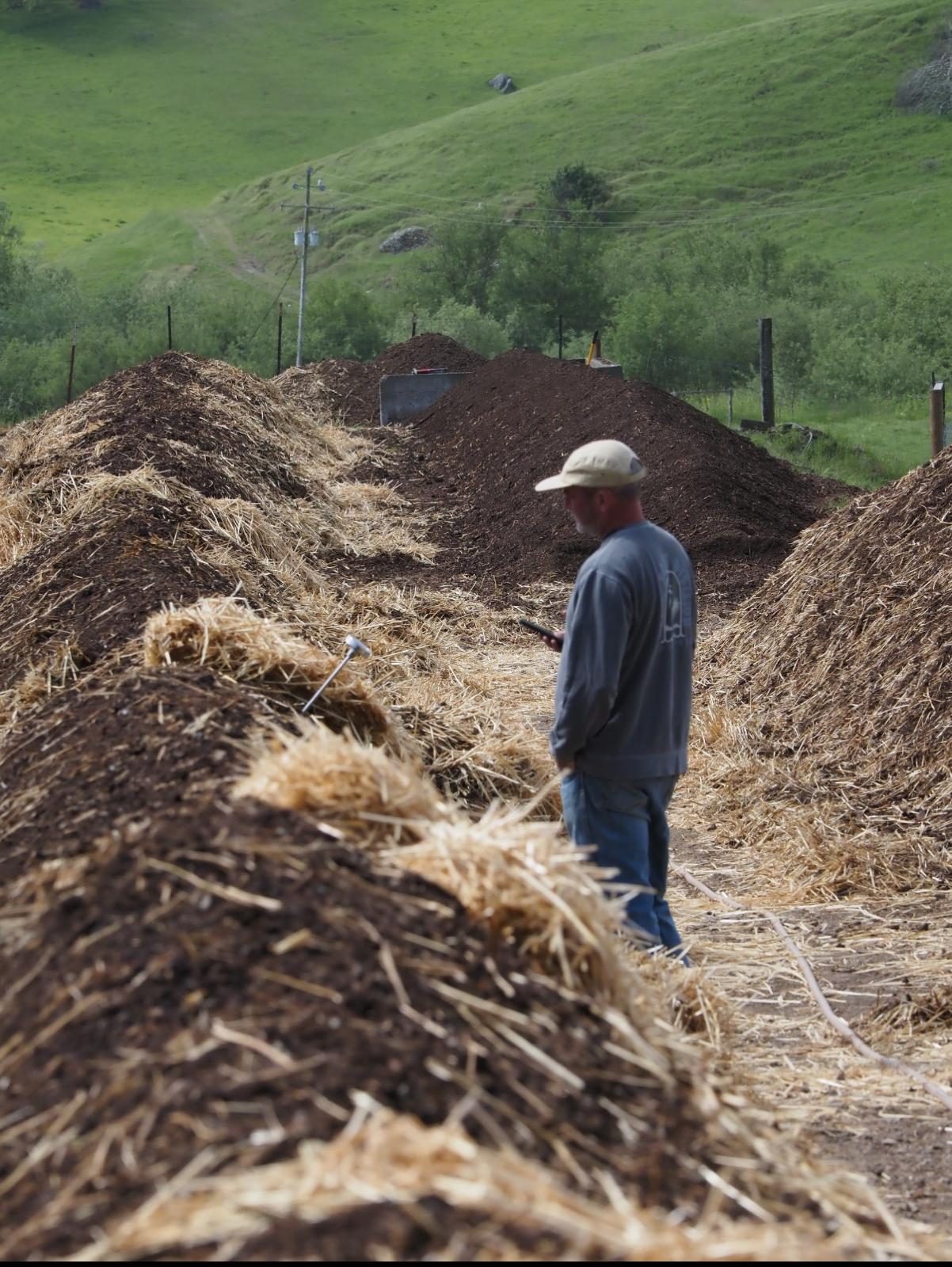
The most important players you've never heard of. Operating at human scale, sourcing locally, using biodynamic preparations, ageing compost properly, and producing genuinely transformative soil amendments. Structurally disadvantaged on price against industrial product.
"The competitive disadvantage of biodynamic compost is almost entirely a function of time. Industrial composting is measured in weeks. Proper biodynamic compost is measured in seasons."
Research synthesis, this report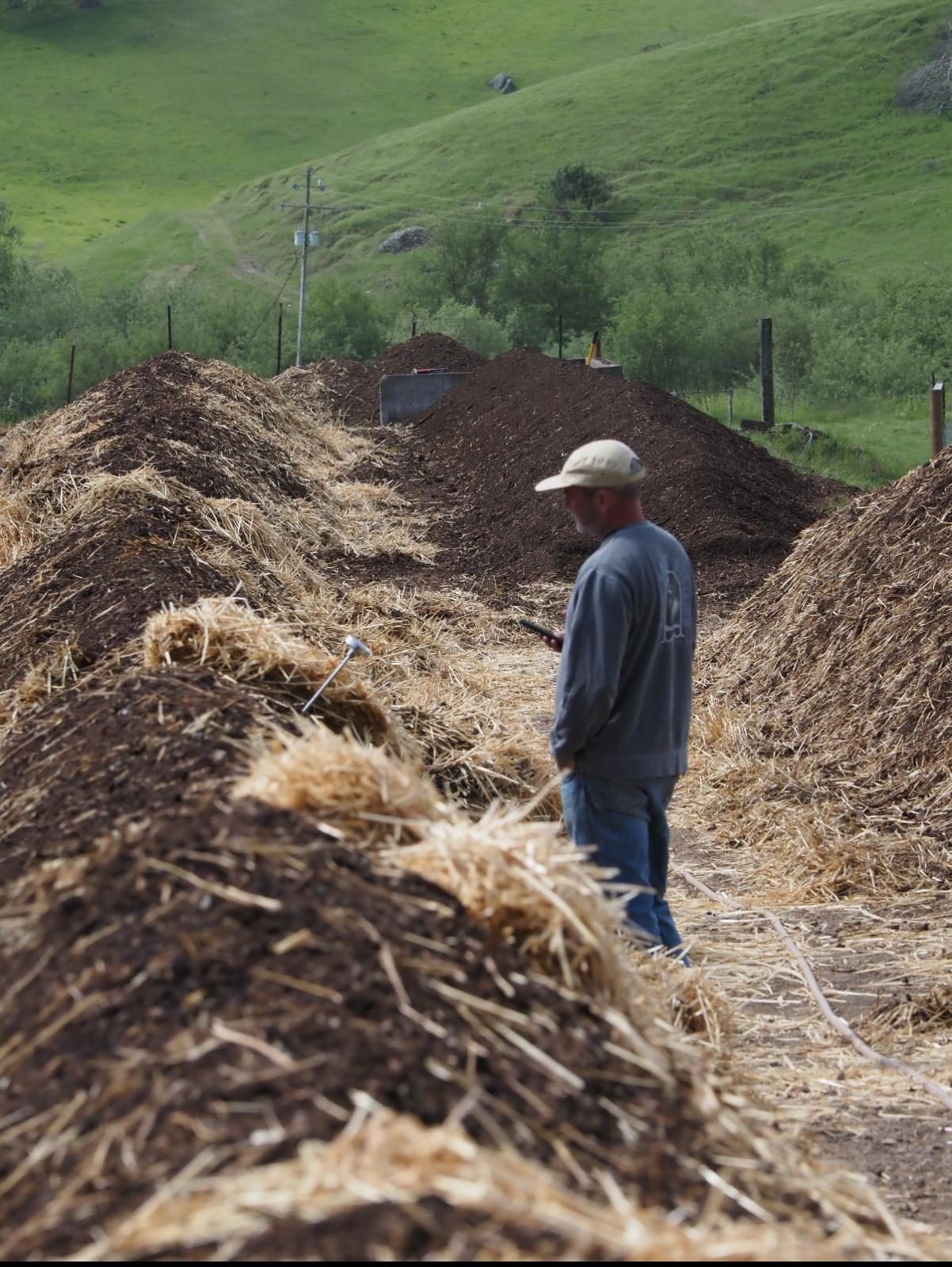
The Physics, Redox Potential & Why Eh Changes Everything
Most agricultural thinking operates in one dimension: pH. How acid or alkaline is the soil? But pH is only half the picture. The other half, which mainstream agronomy has mostly ignored, despite a solid body of science, is redox potential (Eh): the measure of the soil's electrochemical state, expressed in millivolts.
pH measures proton availability (H⁺). Eh measures electron availability. Both determine what chemistry is possible in the soil. Together, pH and Eh form a two-dimensional map of the soil's biological and chemical state, and compost, applied well, can shift both.
The key insight from Oliver Husson's landmark 2012 transdisciplinary review, which has been foundational to regenerative agronomy, is that Eh has at least as significant an impact on nutrient availability as pH, yet is almost never measured on farms. More provocatively: specific disease-causing organisms (pathogenic fungi, bacteria, viruses) require specific Eh/pH windows to manifest. Knowing and managing that electrochemical environment is, in principle, disease prevention by substrate management.
During the composting process itself, Eh evolves dramatically: fresh straw registers around +150mV. During active thermophilic composting, Eh drops toward 0mV at pH 7.7. As composting matures and aeration improves, Eh rises to +300 to +400mV, the zone associated with maximum aerobic biological activity and stability.
"Redox has at least as big an impact on nutrient availability as pH does. The future of agronomy will not be based on chemistry but on biophysics and biology, particularly as they relate to redox management."
John Kempf, citing Husson (2012), Advancing Eco AgricultureHow Compost Moves Eh, The Regeneration Mechanism
Compost application lowers soil Eh, moving it from oxidised and degraded toward the biologically active range. A 2023 carbon farming trial found that the largest Eh reductions (−90mV) occurred on sites where compost soil amendments had been applied. This is not a marginal effect. Moving a degraded soil from +550mV to +460mV is equivalent to unlocking a completely different set of microbial communities, nutrient pathways, and disease-suppression mechanisms.
The organic acids, fulvic acids, microbial metabolites, and biological oxygen demand introduced by mature compost all act as electron donors, effectively "charging" the soil with reducing capacity. High-quality biodynamic compost, aged properly and applied at appropriate rates, appears to do this more effectively and more durably than low-grade products because the diversity and complexity of the organic carbon fractions is fundamentally different.
This is the scientific underpinning of what Ian and operators like him are doing intuitively. The biodynamic preparations, the careful attention to maturation, the plant-based feedstocks, they all contribute to producing a compost with a rich, complex electron-donating capacity that, applied to degraded land, begins the process of electrochemical and biological restoration that no synthetic fertiliser can replicate.
The Regeneration Case
A single well-timed application of high-quality compost at 6–30 tonnes per acre has been shown to produce continued carbon sequestration and soil health benefits three years post-application. For severely degraded soils, California Department of Food and Agriculture research suggests the standard 6–10 t/acre recommendation may be insufficient to overcome biological limitations, higher doses are needed to cross the threshold. Once soil biology is re-established, however, the system becomes increasingly self-sustaining.
The Environmental Picture, Good, Bad & Genuinely Ugly
Composting is generally presented as an unambiguous environmental good, circular economy in action, diverting organic waste from landfill, returning nutrients to soil. The honest picture is considerably more textured. The environmental value of compost is almost entirely determined by the quality of the feedstock and the integrity of the process. Get those right, and compost is genuinely transformative. Get them wrong, and you are spreading concentrated environmental toxins across agricultural land under a sustainability banner.
Soils are the largest terrestrial carbon sink, holding 1,500–2,400 Pg of C, more than vegetation and the atmosphere combined. Compost application drives soil organic carbon up. Long-term European trials show increased organic carbon of up to 51% in plots receiving regular compost, cover crops, and reduced tillage. Carbon sequestration has been demonstrated for up to three years post single application.
Compost increases soil microbial biomass, bacterial and fungal species richness, and functional diversity. Shannon diversity indices show immediate elevation within 4 weeks of compost application, with cumulative effects compounding over years. This is the ecological foundation of soil health, and it has been severely depleted by decades of industrial agriculture.
Organic matter in compost improves soil structure, aggregate stability, water-holding capacity, reduced compaction. Grassland restoration studies show short-term plant productivity gains of 41–76% following single compost application, with knock-on benefits for water infiltration and erosion resistance.
Composting diverts organic matter from landfill where it would otherwise generate methane, a greenhouse gas ~80× more potent than CO₂ over 20 years. Global organic waste diversion reached over 620 million tonnes in 2024. Biodynamic farming also shows lower nitrous oxide and methane emissions from soil compared to conventional systems.
PFAS compounds ("forever chemicals") accumulate in soil, leach into groundwater, and are taken up by crops. They do not break down. Land application of PFAS-contaminated biosolids is actively contaminating US farmland on a scale that may affect ~70 million acres. There is no regulatory standard, no mandatory testing, and no remediation pathway for contaminated soil at agricultural scale.
Compost is increasingly identified as a dominant pathway for microplastic introduction into agricultural soils. 44,000–300,000 metric tonnes enter North American croplands annually via biosolid application alone. Microplastics reduce soil microbial biomass and soil organic matter breakdown, undermining the very carbon sequestration benefits compost is supposed to provide.
Biosolids from wastewater treatment carry pharmaceutical compounds, hormones, heavy metals (cadmium, lead, arsenic), and pathogen residues that survive standard treatment processes. Class B biosolids, which can be and are land-applied, require only "some degree of digestion." The bar is low. The inputs are the effluent of modern industrial civilisation.
The composting industry's successful positioning as a sustainability solution has functioned as a barrier to contamination regulation. Biosolids are actively marketed as "recycled organics" and "beneficial use" products. Labels obscure feedstock origins. "Compostable" serviceware products have been shown to be major PFAS vectors, yet California only banned PFAS labelling claims in 2021, and similar legislation is still being debated in most jurisdictions.
Outlook, Where This Goes
The compost industry is heading toward bifurcation. On one side, growing regulatory pressure around PFAS and microplastics is going to make the biosolids business increasingly expensive and legally exposed, Farmer v. EPA (2024) is the opening shot in what will likely be a decade of litigation and regulation. On the other side, carbon markets, regenerative agriculture premiums, and consumer demand for transparency are creating a genuine economic opportunity for operators who can document feedstock integrity and demonstrate soil health outcomes.
🏛️ PFAS Regulation, The Cliff Edge
EPA's risk assessment for PFAS in biosolids, completed late 2024, will inform the first federal standards. State-level bans and restrictions are accelerating. Maine, Michigan, and California are leading. The biosolids-as-compost business model faces existential regulatory risk within 5–10 years. Operators currently profiting from low-cost municipal waste processing face significant liability exposure.
🌾 Carbon Markets & Soil Credits
California's Healthy Soils program and emerging voluntary carbon markets are creating payment mechanisms for verified soil carbon sequestration. High-quality compost application is one of the most straightforward eligible practices. Biodynamic and organic operators are best positioned to capture this value, but measurement and verification infrastructure is still immature.
📊 Redox Measurement Goes Mainstream
The science of soil Eh is moving from academic research into practical agronomy. Regen.Ag Academy and similar platforms are creating commercial demand for Eh-based soil analysis. As measurement tools become cheaper and more accessible, the ability to demonstrate Eh improvement from compost application becomes a marketing and verification asset for premium operators like Ian.
🔍 Feedstock Transparency Demand
Consumer and grower demand for feedstock disclosure is growing, driven by PFAS awareness, microplastic concern, and broader food system transparency movements. Third-party testing and blockchain-style traceability for compost inputs are early-stage commercial realities. Operators with clean, documented feedstock chains will command significant premiums within a decade.
🌏 Emerging Markets & Degraded Land Opportunity
The largest untapped opportunity is degraded agricultural land globally, estimated at ~430 million hectares of cleared, cropped, and abandoned land. Compost-driven land restoration is one of the most scalable and well-evidenced intervention strategies. Australia, Sub-Saharan Africa, and parts of Southeast Asia represent significant growth markets as carbon accounting matures.
⚠️ The Consolidation Risk
Large waste management companies, Veolia, Waste Management, Clean Harbors, are moving into premium compost branding while maintaining biosolid processing operations. The risk: corporate greenwashing creates consumer confusion between genuinely regenerative products and industrial waste outputs. Without mandatory feedstock labelling, the premium tier is vulnerable to being undermined by well-marketed inferior product.
"Soil holds 2.3 times more carbon than the atmosphere. Agriculture has released ~133 Gt of soil carbon since farming began. Compost, real compost, is one of the few tools that can credibly begin to reverse that at meaningful scale."
Tilman et al. / Regeneration International, synthesisSources & Notes
PFAS contamination data: Saha et al. (2024) Environmental Science: Processes & Impacts · Goossen et al. (2023) Biointerphases · EWG (2025) "Forever Chemicals in Sludge" · Microplastics: Ruffell et al. (2024) Water: Emerging Contaminants & Nanoplastics · Horton et al. (2017) on soil vs. ocean plastic burden · Biodynamic science: Fließbach et al. (2007) DOK trial · Maeder et al. (2002) · Beyer et al. (2022) Chemical and Biological Technologies in Agriculture · Redox / Eh: Husson (2012) Plant and Soil · Plant and Soil (2023) Eh carbon farming trial · John Kempf / Advancing Eco Agriculture · Carbon sequestration: Yang et al. (2019) Nature Communications · Ryals et al. (2014, 2016) California rangeland trials · CDFA Healthy Soils data · Market data: Research and Markets Global Compost Report (2024–25) · Market Reports World (2024) · CAGR figures vary by methodology; treat as directional · Biosolids regulation: EPA 40 CFR Part 503 · Farmer v. EPA (2024, D.C. District Court) · Goldberg Segalla Environmental Law Monitor · Demeter certification: demeter.net · BDA Certification UK · Note: Global compost production figures (310Mt) are aggregate market estimates. Peer-reviewed production statistics at this scale are not available; the figure represents aggregated industry survey data. Treat as indicative order-of-magnitude.