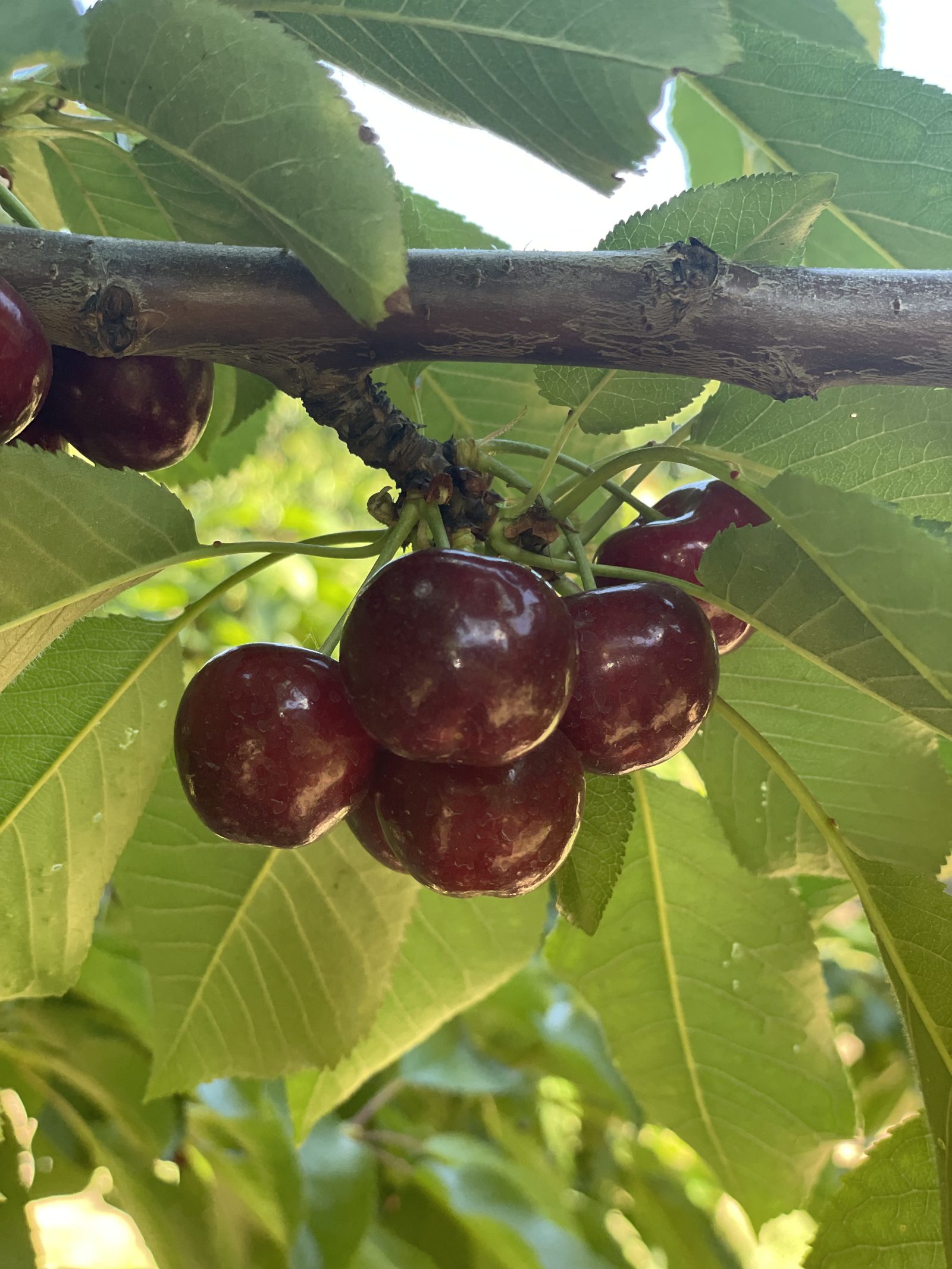
The world's most fragile premium fruit, and the geopolitical commodity hiding in plain sight
The cherry's origin story begins in Anatolia, modern-day Turkey, in the fertile corridor between the Black Sea and the Caspian. Prunus avium, the sweet cherry, was likely growing wild along river valleys when the earliest Greco-Anatolian civilisations first took notice. The botanist Theophrastus, writing in the third century BC, documented cherries already known and cultivated by the Greeks. They were not exotic. They were commonplace, beloved, and already problematic to transport.
That last detail matters. The Roman writer Pliny the Elder attributed the formal introduction of cherries to Rome to Lucullus, a general and notorious gourmet who encountered them during the Third Mithridatic War near Giresun (then known as Cerasus) on the Black Sea coast around 74 BC. Whether or not Lucullus was truly the first to bring cherries west, the Romans embraced them and planted orchards throughout their empire, from Britain to North Africa. Within 120 years, Pliny noted, cherry trees had reached Britain. This was no slow diffusion; it was deliberate horticultural imperialism.
Pliny described one ancient variety as having "a pleasant taste, but only if eaten under its tree, since it is so tender that it cannot stand being transported." Two thousand years later, that sentence could appear in any contemporary cherry grower's field report.
Pliny the Elder, Naturalis Historia, ~77 ADCherries spread across Europe during the medieval period, slow, uneven, dependent on ecclesiastical orchards and monastic cultivation, and didn't reach widespread cultivation across northern Europe until the 15th century. In Asia, the trajectory was parallel but independent: Chinese records document cherry cultivation dating to at least 1000 BC, and Japan's reverence for the cherry blossom (sakura) reflects millennia of cultural entanglement with the tree, even where the focus was ornamental rather than edible. The Silk Road moved cherry pits and cultivation knowledge across Central Asia centuries before cold-chain logistics existed.
North America received the cherry late. Spanish missionaries introduced sweet cherries to California no earlier than 1629. English colonists brought seeds to the eastern seaboard around the same era. The first commercial tart cherry orchards in Michigan were planted by a Presbyterian missionary, Peter Dougherty, in 1852 on Old Mission Peninsula, a bet that looked eccentric at the time and proved commercially transformative. By the late 1800s, Washington, Oregon, and California had established themselves as the sweet cherry heartland of the continent, a geography that largely holds today.
Wild Prunus avium gathered in Anatolian river valleys. Chinese records later document cherry cultivation by 1000 BC.
Theophrastus documents Greek cherry cultivation in Historia Plantarum, the first written record of deliberate cherry growing.
Lucullus returns from Giresun (Cerasus) on the Black Sea and introduces the cherry variety to Rome. The city of Cerasus may be the etymological origin of the English word "cherry."
Spanish missionaries bring sweet cherries to California. English colonists introduce them to the eastern seaboard. Commercial cherry growing in the Americas begins.
First commercial tart cherry orchard planted in Michigan. The Great Lakes region becomes the US processing cherry heartland.
USDA scientist Howard Fogle at WSU develops the Rainier cherry. Released in 1960, it becomes the most commercially significant new variety of the 20th century.
Chile begins large-scale sweet cherry planting in the Maule and Biobío regions, initially targeting North American and European markets.
China's growing middle class discovers Chilean cherries. Lunar New Year gifting culture drives explosive demand. Export volumes begin compounding annually.
Washington State cherry growers suffer a federal disaster declaration after losing ~50% of their crop to weather extremes. Chile exports 413,000 MT. The bifurcation of the industry, vulnerable north, industrialising south, is now structural.
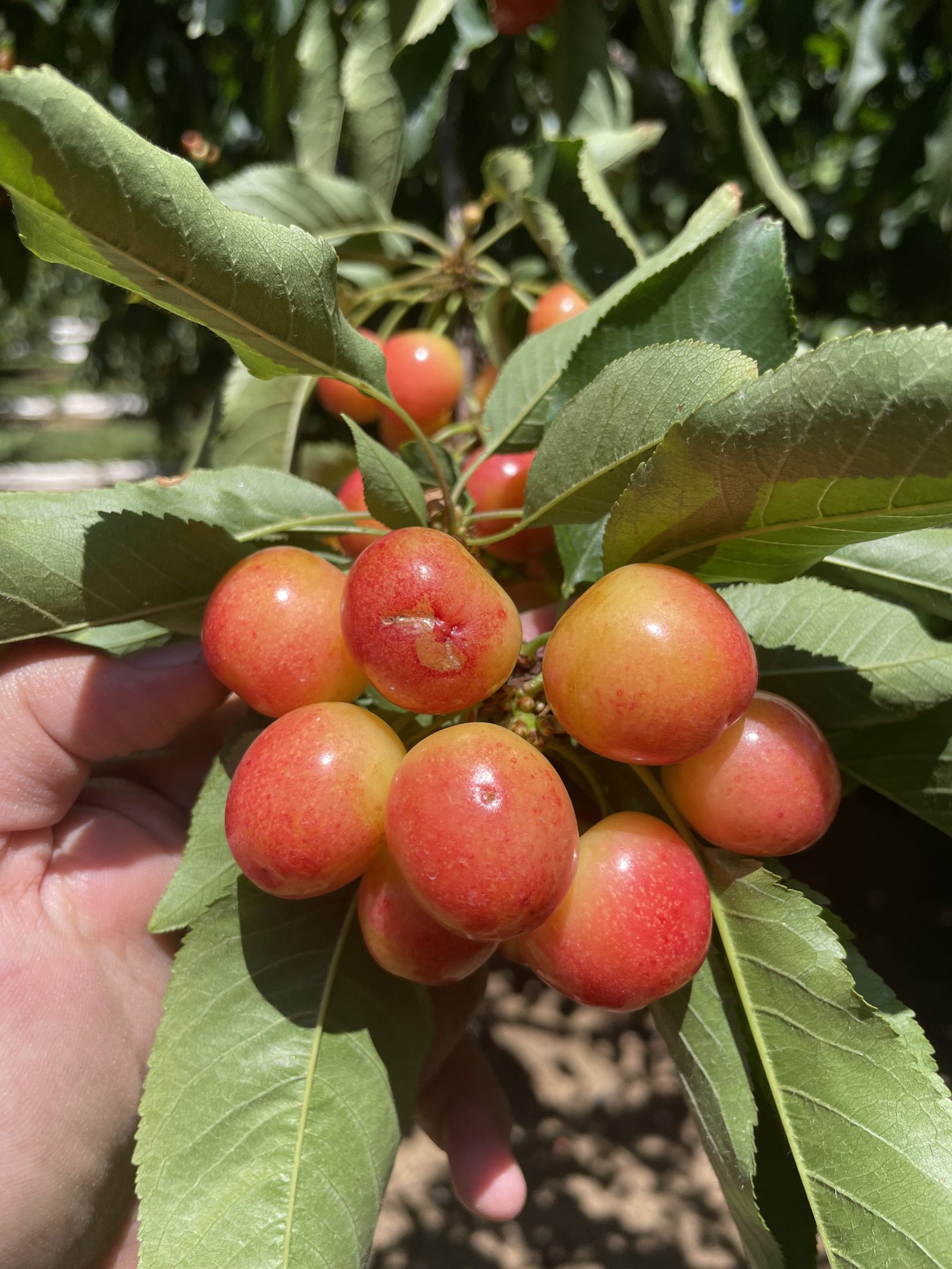
Walk into a supermarket in mid-January and you will find blueberries from Peru, strawberries from Mexico, mangoes from Brazil, and grapes from South Africa. Year-round availability is, for most premium fresh fruit, now the baseline expectation. Cherries remain a meaningful exception. They are genuinely, stubbornly, frustratingly seasonal, and understanding why requires understanding the biology of a fruit that seems almost designed to be difficult.
Sweet cherries require between 800 and 1,200 chill hours, hours with temperatures below 7.2°C (45°F), to properly break dormancy and set fruit. This is among the highest chill requirements of any commercially grown fruit. It anchors cherry production to cool-winter temperate climates: Washington State, northern California, British Columbia, Turkey, southern Europe, and the high-altitude valleys of central Chile. No subtropical workaround exists for most commercial varieties. No controlled-atmosphere hack mimics the winter. The tree simply waits for cold.
Once the chilling requirement is met and the tree blooms, the window from blossom to harvestable fruit is short, typically six to eight weeks. And at the end of that window, the fruit faces its defining vulnerability: rain.
Rain falling on mature cherries triggers a chain reaction: water absorbs through the fruit's cuticle, osmotic pressure builds faster than the skin can expand, and the fruit splits. Cracked cherries cannot be sold fresh. They are unsaleable at premium, quickly colonised by fungi, and represent a total write-off. The risk is highest in the 10 to 25 days before harvest, precisely when fruit is largest, sugar content peaks, and the skin is under maximum tension.
This fragility is not new. It is why cherries have never become truly year-round in the way that bananas or grapes have. Extending the availability window has been achieved through hemisphere arbitrage, Chile's harvest runs November to February, complementing the Northern Hemisphere's June–August window, rather than through any fundamental change in the biology of the fruit itself. Today a consumer in Shanghai or London can buy fresh sweet cherries for roughly six months of the year. But those cherries come from opposite ends of the planet, separated by a 20-to-25-day refrigerated sea journey, and the supply chain required to get them there in anything approaching acceptable condition is a logistical feat that most consumers are entirely unaware of.
The normal harvest season in the US runs roughly 120 days, starting with early varieties in California in late April and winding through the Pacific Northwest into late July at elevation. This cascade, lower elevation, earlier; higher elevation, later, is what creates the extended availability window. When it collapses, as it did catastrophically in 2023, the consequences are severe and instant.
In 2023, an abrupt swing from cold spring to historic heat in Washington compacted the harvest window so dramatically that roughly 70% of the Western US cherry crop matured simultaneously in a single month. Markets were overwhelmed. Prices collapsed. Washington growers left an estimated 4.5 to 5 million boxes of cherries unharvested in the field.
Northwest Cherry Growers / USDA disaster declaration data, 2023–2024Sources: FAO FAOSTAT, USDA FAS Stone Fruit Annual (2024), Statista. Figures include sweet and sour (Prunus cerasus) varieties.
Rain-induced cracking is the defining agronomic challenge of commercial sweet cherry production. It is not a disease. It is not a pest. It is a fundamental consequence of the fruit's biology, and decades of research have only begun to fully explain the mechanism.
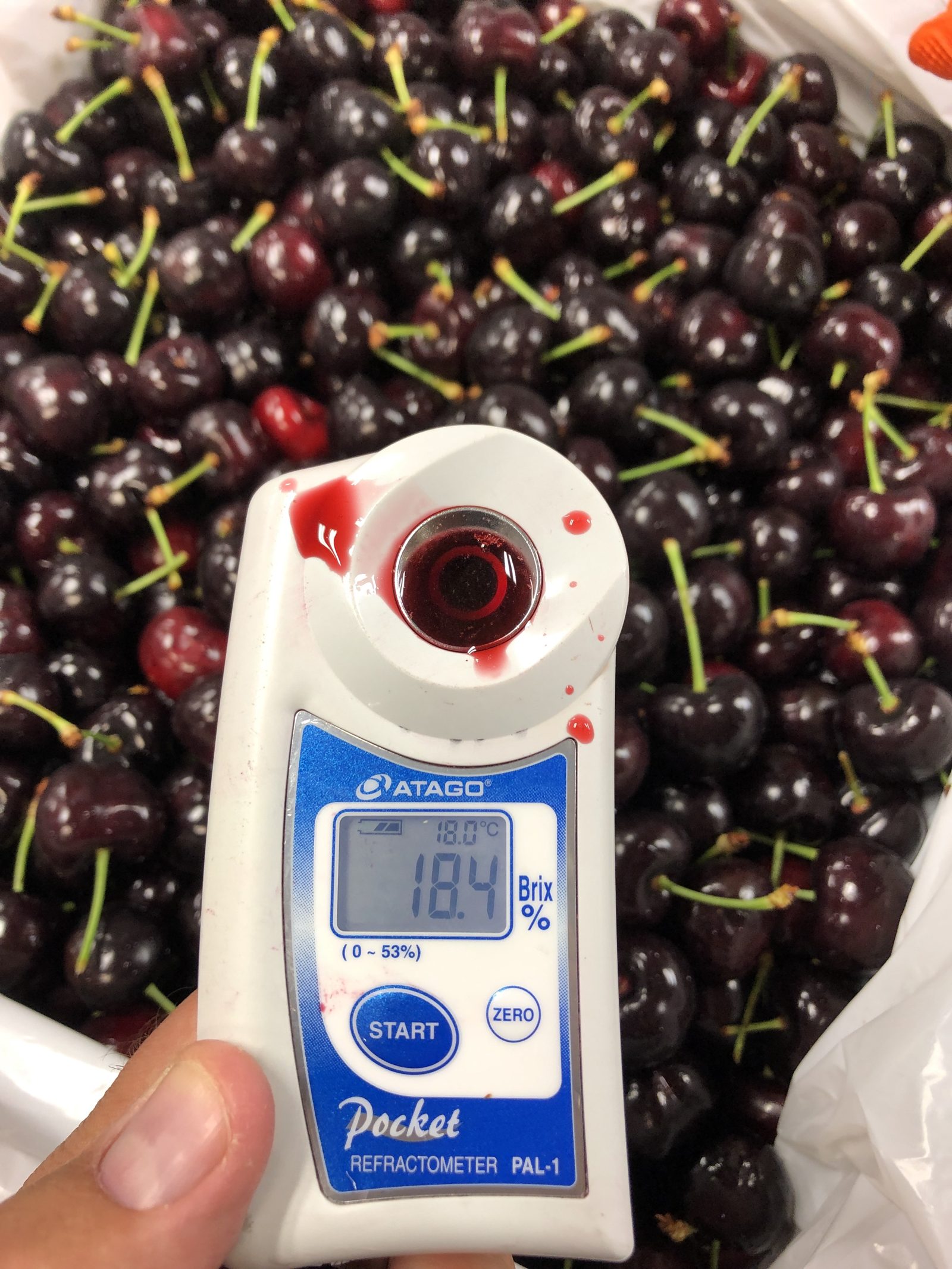
The cherry fruit surface has three layers: the waxy cuticle on the outside, the epidermis beneath it, and the hypodermal cell layers below. As a cherry approaches maturity, it accumulates high concentrations of sugars, up to 20–24 Brix in premium varieties. This creates a steep osmotic gradient between the fruit's interior and any rainwater sitting on its surface. Water moves across the cuticle by osmosis, pushing into the epidermal cells. Those cells expand. The cuticle, already under tension from a growing fruit, cracks, first microscopically, then visibly. The crack exposes the flesh to secondary infection by Botrytis and other fungi. The fruit becomes commercially worthless within 12–24 hours.
A second cracking mechanism operates via the vascular system: excessive soil water (from over-irrigation or heavy rain) is transported through the tree's xylem directly to the fruit, building internal hydraulic pressure from the inside out, "like a water balloon bursting after being overfilled," in the memorable phrase used by WSU's Tree Fruit Production Guide. This internal cracking is harder to manage because it cannot be mitigated by drying the fruit surface.
The duration of rainwater contact with the fruit surface is directly proportional to the amount of water absorbed. Every hour a cherry sits wet increases cracking probability. This is why helicopter rotor-wash and airblast fans are standard post-rain equipment in premium cherry orchards, not theatre, but necessary damage control.
WSU Tree Fruit Production Guide, Cherry Rain CrackingCracking susceptibility is strongly genetic. Varieties differ dramatically in cuticle thickness, epidermal cell architecture, wax composition, and turgor pressure regulation. The breeding imperative to produce crack-resistant varieties while maintaining large fruit size and high sugar content is one of the central tensions of modern cherry breeding, larger cherries have more surface area under tension, making them statistically more likely to crack than smaller fruit.
Practical mitigation strategies in the field include: calcium chloride sprays applied before rain events (which reduce osmotic uptake by increasing the solute concentration on the fruit surface); protective rain covers and plastic tunnels (highly effective but capital-intensive, roughly AU$30,000–60,000 per hectare); airblast fans or helicopter passes immediately post-rain to minimise contact time; and careful irrigation management to prevent vascular over-pressurisation in the days preceding harvest.
The chilling hour constraint is the second great biological limit. Most commercial sweet cherry varieties require 800–1,200 chill hours below 7.2°C before they will reliably break dormancy and flower in spring. Without this accumulated cold, trees may bloom poorly, with erratic timing that misaligns with pollinators, or fail to set fruit at all. Climate change is directly threatening chill hour accumulation in traditional growing regions, central California, southern Spain, and portions of Turkey are already seeing warmer winters that push some high-chill varieties to unreliable performance. The response from breeders has been to develop low-chill varieties requiring as few as 300–500 hours, but these come with their own trade-offs: earlier flowering increases frost risk, and many low-chill varieties sacrifice the large fruit size and firmness that premium fresh markets demand.
Crack risk scale: 1 dot = low; 5 dots = very high. Sources: WSU PNW604, Fruitnet variety profiles, USDA FAS, Oregon Extension Service.
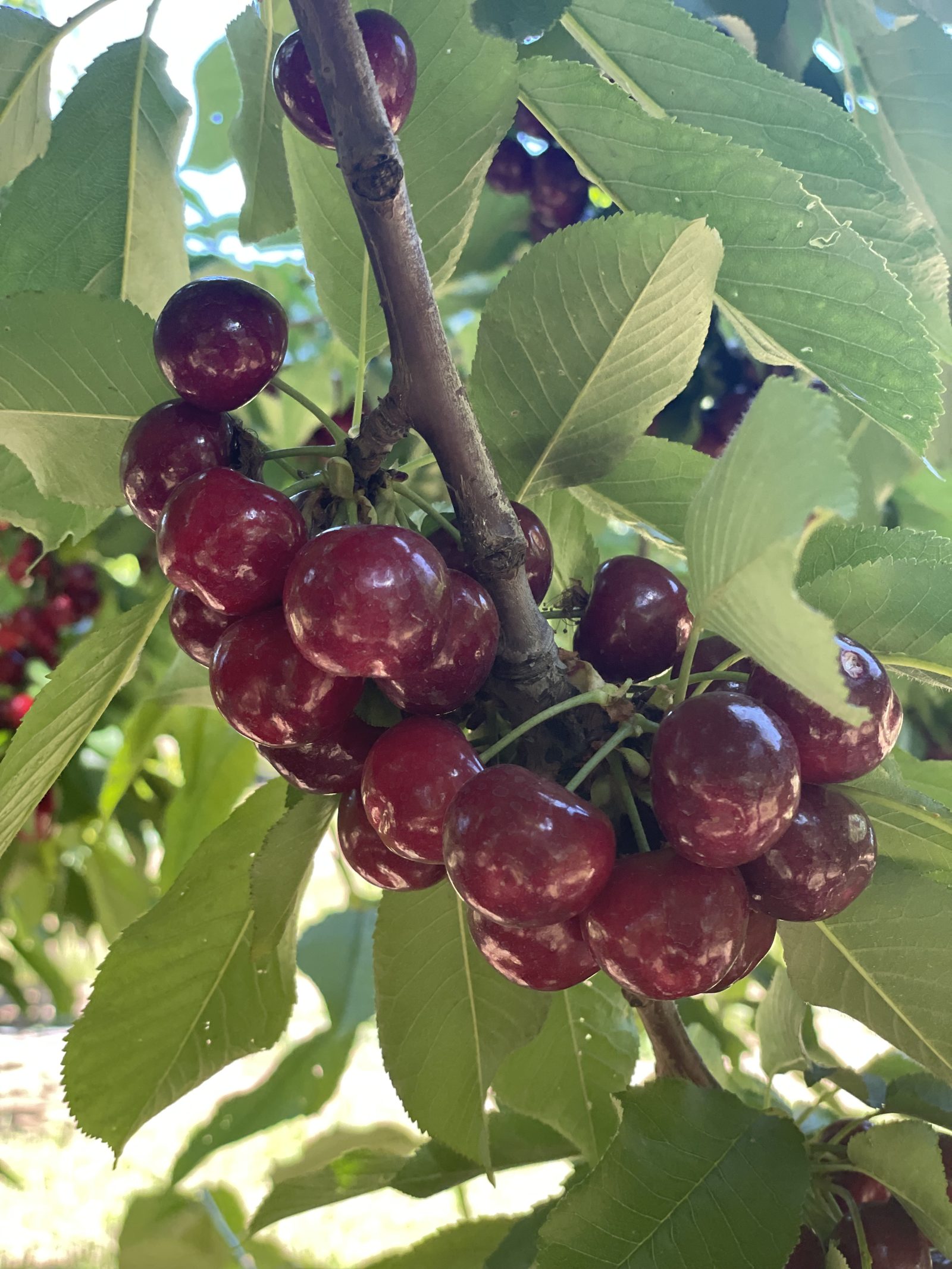
Cherry breeding occupies an unusual space in the genetics industry. Unlike grape or apple breeding, where IP consolidation into corporate programmes has been dramatic, sweet cherry breeding remains a mix of publicly-funded university programmes, government research stations, and a growing number of private commercial breeders beginning to claim exclusive variety rights. The comparison to grain seed IP consolidation is instructive but not yet complete. It is coming.
Agriculture Canada's facility in British Columbia, operating for over 100 years. Home to 8,000+ unique cherry seedlings. Origin of Lapins, Sweetheart, Skeena, Staccato, Sentennial, the foundational varieties underpinning Chile's export industry. Self-fertile breeding is a signature objective; Lapins and Sweetheart emerged from crosses specifically designed to eliminate the need for polliniser varieties. Currently holds ~30,000 apple and 8,000 cherry unique genetic selections.
Based at the Irrigated Agriculture Research and Extension Center in Prosser, WA. Produces the Rainier cherry (1960), still arguably the most recognised premium cherry variety in the world. Program relaunched under Dr. Per McCord in 2018. Now using RosBREED SNP array genomic markers to screen seedlings before field planting, dramatically reducing the 10–15 year traditional breeding timeline. Recently entered a germplasm-sharing partnership with Sun World International to develop ultra-early season varieties for the Pacific Northwest.
Source of the Regina variety (formally: Regina® Jork 57/201 cv), one of Europe's most crack-tolerant commercial sweet cherries. Regina's combination of late ripening, excellent firmness, and genuine cracking tolerance has made it the dominant late-season variety across Germany and increasingly in Chile and the US Pacific Northwest. German and French publicly-funded programmes produced Kordia, Burlat, and numerous other European commercial standards.
A Coachella Valley-based company with one of the most active private stone fruit and table grape breeding programmes globally. Cherry breeding focus is on ultra-early and early-season varieties adapted to California's warmer winter climate, specifically designed to extend the US harvest season earlier into spring before Washington State's crop arrives. The WSU partnership announced in 2022 represents a convergence of public crack-resistance genetics with private early-season material. Sun World manages commercialisation through royalty agreements with licensed growers.
Emerging European private cherry genetics company with an explicit low-chill breeding programme. Founder Estiarte has stated publicly that Bloom Fresh's low-chill varieties can produce with less than half the traditional chill requirement, opening cherry cultivation to regions with milder winters previously unsuitable for the crop. Low-chill cherries can also extend harvest by producing earlier, allowing growers to capture price premiums before the main season volume arrives. Potential yield uplift cited at 20–30% in suitable climates.
Multi-institution genomics project producing the sweet cherry 6K SNP array, a genotyping tool that allows breeders to screen seedlings for desired traits from a leaf sample, before the tree ever fruits. Has built associations between genetic markers and traits including fruit size, firmness, cracking resistance, bloom date, self-fertility, and powdery mildew resistance. Now deployed in WSU, Summerland, and international cherry breeding programmes. The long-term consequence is acceleration of breeding timelines from ~15 years to potentially 7–10 years.
The shift from phenotypic selection, walking the orchard, tasting the fruit, to genomic prediction is the defining change in cherry breeding over the past decade. A breeder can now eliminate 80% of seedlings from a cross before they ever occupy orchard space, based solely on leaf DNA. The varieties planted in Chile in 2035 are being selected in laboratories today.
Synthesis from WSU CBP documentation, RosBREED publications, Summerland R&D Centre reports
Top producing countries by volume include Turkey, the US, Chile, Uzbekistan, and Iran for sweet cherries. For the combined sweet and sour cherry total, Poland, Germany, and Russia add significant sour cherry (processing) volumes. Turkey has consistently led global production, accounting for over 19% of the combined total in 2022 at 832,811 metric tonnes. Chile, while not the largest producer by volume, is the most economically consequential player in fresh cherry trade due to its Southern Hemisphere position and dominance in the premium export segment.
Source: FAO FAOSTAT 2022 data, SkyquestTT, WikiPedia FAOSTAT compilation. Includes sweet and sour varieties. Chile figure = 2021/22 marketing year.
No story in the modern cherry industry is more consequential than Chile's. In the space of roughly 25 years, Chile has transformed from a minor cherry producer into the world's most important fresh cherry exporter, accounting for approximately 50% of global cherry exports by volume according to ASOEX (now Frutas de Chile). This is not an incremental trend. It is an agricultural revolution.
The planted area figure is critically important context: only 65% of Chile's current 61,559 hectares is in production. Over the next four years, more than 20,000 additional hectares will come into bearing. USDA FAS estimates Chilean cherry production will reach 500,000 MT in 2024/25, with exports forecast to hit 445,000+ MT. The Produce Report estimates the eventual production ceiling at approximately 851,000 tonnes. This represents a near-doubling of current export volumes into an already price-pressured Chinese market. The supply surge is structurally locked in, regardless of demand signals.
| Destination | Volume (MT) | % of Total | Share Trend | Notes |
|---|---|---|---|---|
| 🇨🇳 China | 377,000 | +3.3% YoY | Dominates; Lunar New Year gifting; price pressure emerging | |
| 🇺🇸 United States | 14,335 | Diversification push | Record imports forecast for 2024/25 at 30,000 MT | |
| 🌎 Latin America | 7,296 | -20% YoY | Regional market declining share | |
| 🇪🇺 Europe | 3,850 | -17% YoY | Margin squeezed by distance + competing local crop | |
| 🇨🇦 Canada | 685 | -36% YoY | Minimal; dominated by PNW domestic production | |
| 🕌 Middle East | 109 | -61% YoY | Negligible; logistics challenge |
Source: Chilean Cherry Committee / Frutas de Chile; Fruitnet.com (March 2024); USDA FAS Stone Fruit Annual CI2024-0017
Chinese cherry prices fell nearly 50% year-on-year in 2024/25, as surging Chilean volumes collided with a market already absorbing China's own growing domestic production (850,000 MT projected in 2024/25). Premium-quality fruit maintained margin. Standard-quality lots saw prices collapse. The structural dependency is not a new observation, Chilean exporters have been publicly trying to diversify since 2019. So far, the Chinese market has absorbed every additional tonne they can ship. That won't last indefinitely, and the industry knows it.
Sources: USDA FAS Stone Fruit Annual, Grokipedia/FAO, Smartcherry.world, Tridge.com estimates. Chile figure = 2023/24 marketing year. NH exporters approximate 2022/23.
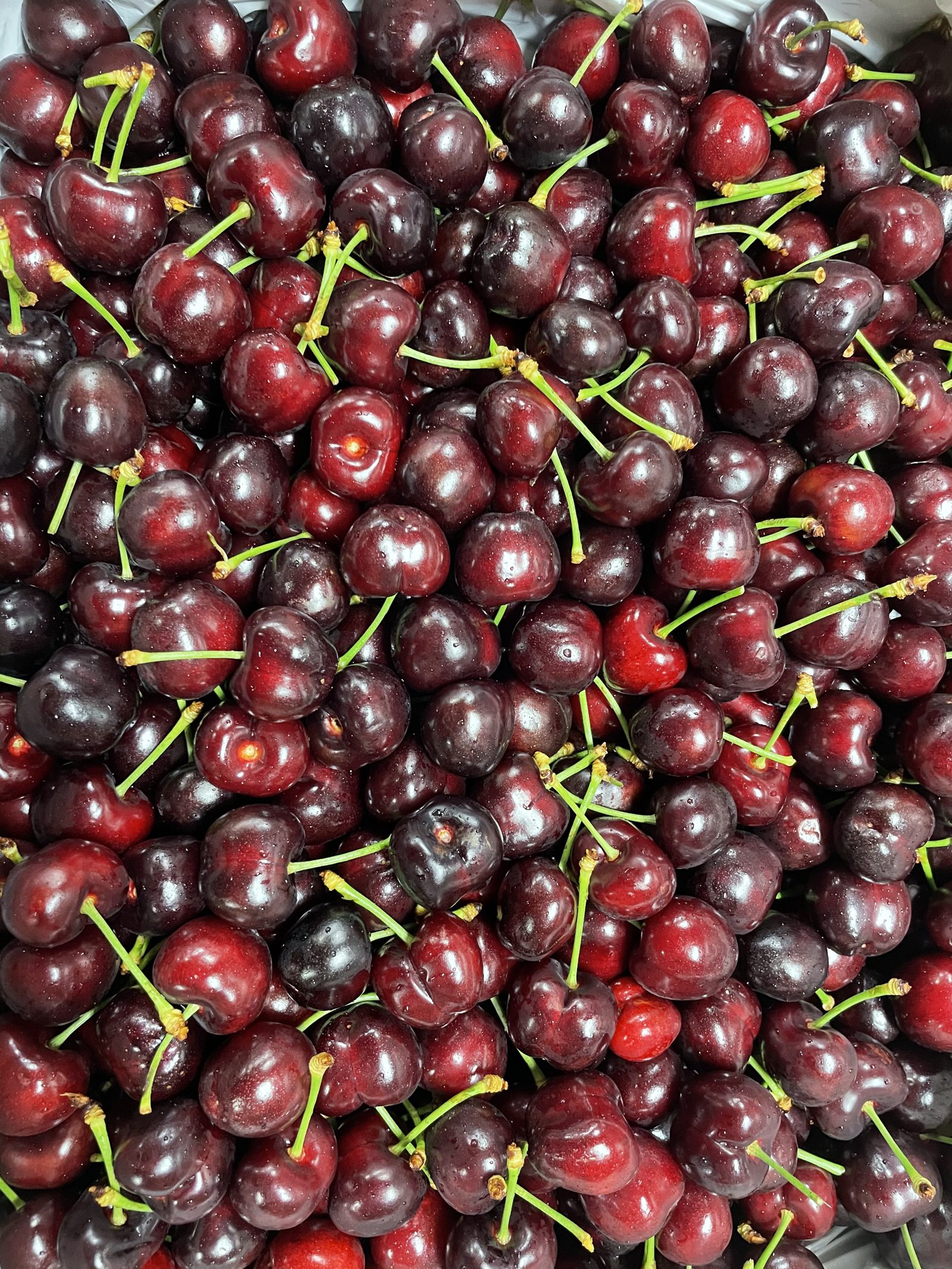
If you want to understand why cherry growing is a psychologically demanding profession, look at Washington State between 2021 and 2024. Three consecutive seasons of significant weather disruption, a federal disaster declaration, and an industry that is perpetually one weather event away from financial crisis. The cherry's combination of high establishment costs (orchards take 5–7 years to reach full bearing), short harvest windows, and acute weather sensitivity creates a risk profile unlike most agricultural commodities.
Washington State's cherry season normally runs about 120 days, staggered from low-elevation early-season orchards through progressively higher-elevation late-season production. This cascade creates the extended market window growers depend on. When temperatures spike abruptly after a cold spring, the cascade collapses: all elevations ripen simultaneously, fruit floods the market, prices collapse, and significant volumes go unpicked because the economics of harvesting at distressed prices don't cover labour costs.
The 2023 disaster was made worse by timing: California's season was delayed by cold and rainy conditions and arrived late, at exactly the moment Washington's compressed season peaked. About 70% of the Western US crop matured between June 20 and July 20. With both state crops arriving simultaneously, retail shelves couldn't absorb the volume. Washington growers were estimated to have left 4.5 to 5 million 20-pound boxes of cherries unpicked, a direct consequence of market price collapse below the cost of harvest.
"Washington's cherry growers lost around half their crop to extreme weather. This disaster declaration will help sweet cherry growers get back on their feet, and ensure Washington's famously delicious sweet cherries make it into shopping carts."
Senator Maria Cantwell (D-WA), announcing USDA emergency loan access, March 2024Crop insurance coverage for cherries is available through the USDA's Risk Management Agency (RMA) and covers causes of loss including frost, freeze, rain damage (cracking), hail, fire, and excess moisture. The federal emergency loan programme (triggered by the 2023 disaster declaration) allowed Washington cherry growers to access up to $500,000 in emergency low-interest loans. Weather-related crop insurance payouts across all US crops totalled $118.7 billion between 2001 and 2022, with excess moisture, freeze, and drought constituting the dominant loss categories. For cherries specifically, excess moisture (rain-induced cracking) and unseasonable heat events represent the two primary insured loss drivers.
The fundamental problem crop insurance cannot solve: it compensates for losses already incurred, but cannot prevent the market dynamics (simultaneous season collapse, price implosion) that multiply the economic damage. A grower who receives a cracking indemnity is still operating in a market where prices have dropped 40% because every grower in their region received the same rain on the same day.
High tunnels and protective netting represent the structural solution, but at $30,000–$60,000 AUD per hectare for full tunnel coverage, most small-to-medium operations cannot afford comprehensive protection. Larger consolidated operations with scale economics are better positioned to invest in physical weather protection. This is accelerating industry consolidation: the capital requirements for weather-resilient cherry farming increasingly favour corporate and institutional orchards over family operations.
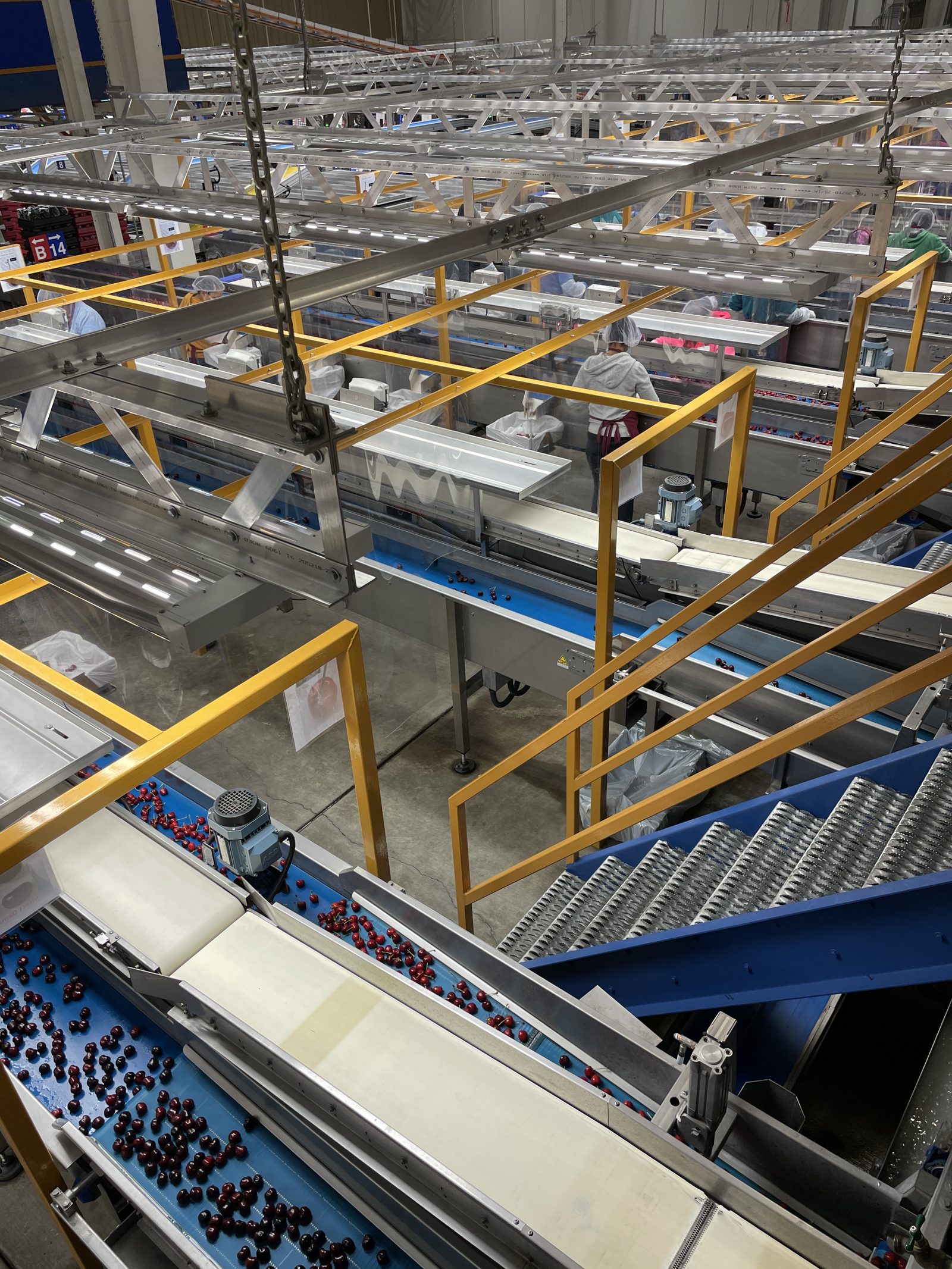
The cherry industry's environmental footprint is not as severe as avocado or almond production, but it is not clean either. In Chile, where the growth story is happening, water stress is a documented and worsening problem. In California and Washington, pesticide use and refrigeration energy are the primary environmental concerns. The 20-to-25-day refrigerated sea voyage from Chile to China runs roughly 20,000 kilometres and represents a meaningful carbon cost the industry rarely discusses publicly.
Chile's central valley cherry regions (Maule, Biobío, O'Higgins) experienced an unprecedented megadrought from 2010 to 2022 driven by climate change and natural variability. Water use rights (WURs) in some basins are over-allocated; actual consumption exceeds legal entitlements in irrigated cherry-growing zones. The aggressive expansion of cherry orchards, particularly the intensification from traditional crops to drip-irrigated cherry production, has worsened basin-level water stress indices. The Water Stress Index in several central Chilean basins reached critically elevated levels during the 2010–2020 decade.
The base carbon cost of a Chilean cherry reaching Chinese consumers is a ~20,000 km refrigerated sea journey in controlled-atmosphere containers. The 2023/24 season saw 15,000 tonnes of Chilean cherries airfreighted to China, a premium option that carries approximately 50× the carbon footprint of sea freight. Airfreight is used for early-season and high-value lots where transit time determines whether fruit arrives in saleable condition. The industry has moved aggressively toward sea freight, but premium pricing dynamics continue to make airfreight economically rational at the top of the season.
Sweet cherries have relatively high fungicide requirements, Botrytis (grey mould) is the primary post-harvest threat on cracked fruit, and powdery mildew is a significant issue for susceptible varieties including Rainier. In California and Washington, pre-harvest fungicide applications are routine. Residue monitoring by USDA AMS and EU import inspection services has found occasional exceedances on imported cherries; China's GACC has issued alerts on Chilean consignments for pesticide residues, creating phytosanitary trade friction during peak season.
Cherry harvest in Washington and Oregon is highly labour-dependent; mechanisation has made limited progress due to the fruit's fragility and the variation in ripening across individual trees. The seasonal migrant labour force that picks cherries across the Pacific Northwest faces documented wage vulnerability and inconsistent housing conditions. In Chile, the rapid orchard expansion has created demand for seasonal agricultural labour in rural communities; labour conditions are variable across the sector, with large export-oriented operations generally better scrutinised than smaller sub-contracted harvests.
Sweet cherries require approximately 600–900mm of water annually through irrigation, depending on climate. By comparison, almonds require ~1,000–1,200mm in California. Cherry orchards also produce a meaningful harvestable crop within a smaller planted area than many competing premium crops. Drip and microjet irrigation, now standard in modern Chilean orchards, has improved water use efficiency significantly vs. flood irrigation systems they replaced.
Chilean research programmes (University of Concepción, UACh) have demonstrated that regulated deficit irrigation (RDI) applied after harvest can reduce seasonal water use by 10–28% in Santina orchards without negatively affecting yield or fruit quality. This represents a meaningful efficiency gain for a sector operating under increasing water constraints. Adoption of precision RDI is growing among larger Chilean operations.
Core cherry production zone. Decade-long megadrought elevated Water Stress Indices to critical levels by 2020. Cherry orchard expansion coincided with worst drought conditions in 60+ years. Canal infrastructure inadequate for intensified demand. Water rights over-allocated in key basins.
Four consecutive years of significant weather disruption (2021–2024). Federal disaster declarations. Climate projections for the Columbia Basin suggest increasing frequency of spring cold snaps followed by abrupt heat events, precisely the conditions that collapse the harvest window. Refrigeration and water use remain secondary concerns; weather fragility is the primary risk.
California cherry production concentrated in San Joaquin Valley (Bing) and Lodi/Sacramento Valley faces increasing groundwater pressure common to all California irrigated agriculture. Pesticide residue monitoring is rigorous; compliance is generally high. BC production centred in Okanagan Valley; summer drought impacts increasing.
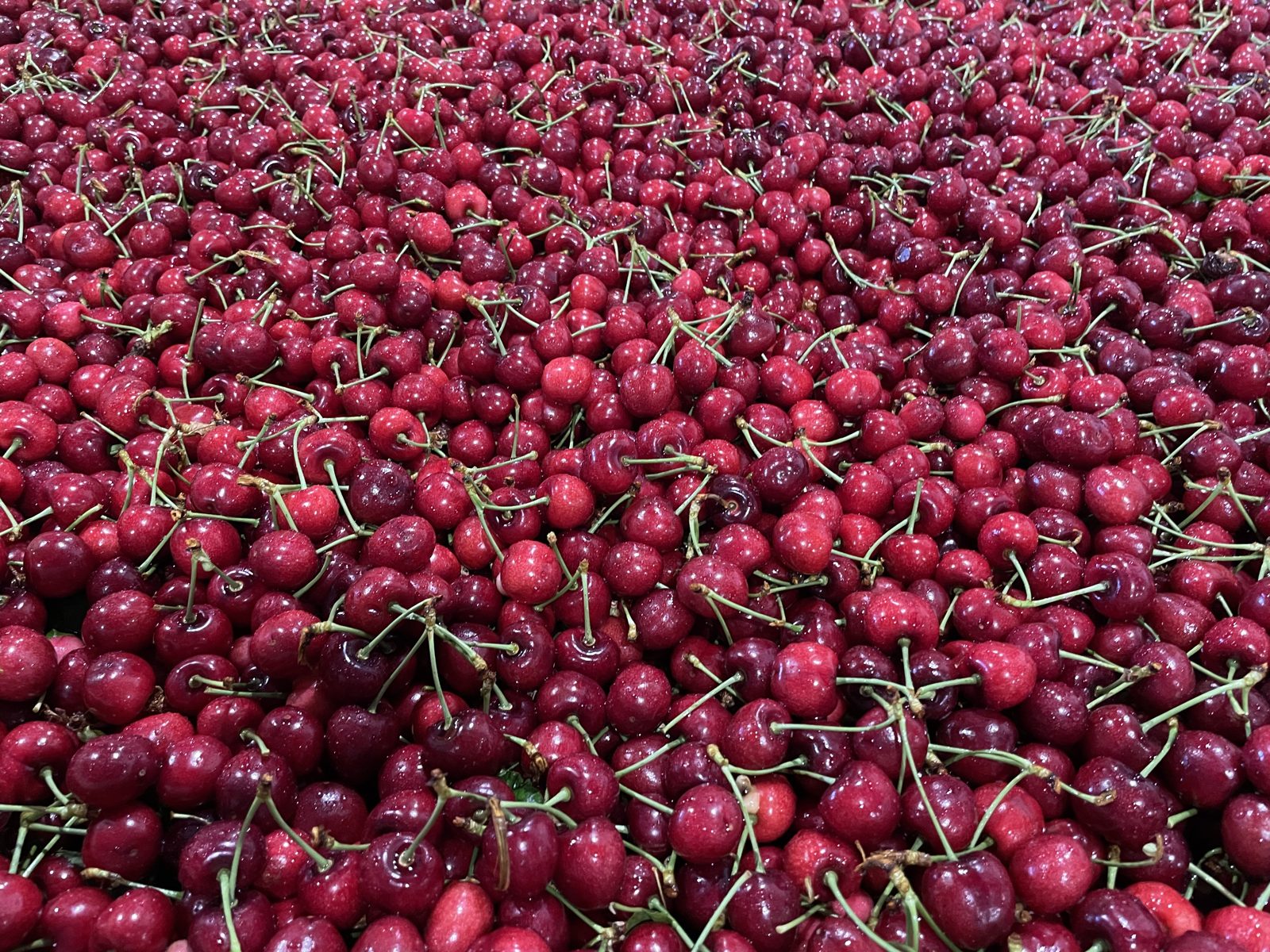
The global cherry market is entering a period of structural transition. The growth story that defined the 2010s, Chilean volume exploding into an insatiably demanding Chinese market, is maturing. The same forces that drove the expansion (high prices, clear demand signal, manageable logistics) have now produced the conditions that will test the industry: over-supply pressure, price compression, and a Chinese consumer base that is becoming significantly more sophisticated in what it will pay for.
After 20 years of growth, the global cherry market is entering a crucial transition phase. The report forecasts additional consolidation across the cherry industry as smaller growers face rising capital requirements tied to modern orchard systems, climate protection, and postharvest technology.
FreshFruitPortal.com industry analysis, May 2026The supply overhang is structural. Chile's 35% of current planted area not yet in production will come into bearing over the next four years. USDA FAS projects Chilean production reaching 500,000 MT in 2024/25 and industry estimates suggest 670,000–851,000 MT is achievable within the decade. This is not contingent on new investment; the trees are already in the ground. Simultaneously, China is expanding its own cherry production, domestic output projected at 850,000 MT in 2024/25, meaning the largest importer is simultaneously the largest domestic producer. The overlap in supply calendar is limited (Chinese production peaks summer; Chilean production arrives December–February for Lunar New Year) but is narrowing as Chinese breeders develop later-season varieties.
Technology trends accelerating adoption:
Climate change implications cut in multiple directions. Warmer winters threaten chill hour accumulation for high-chill varieties across California, southern Turkey, and Mediterranean Europe. Low-chill breeding programs are the response. But warmer springs also increase late frost risk, low-chill varieties break dormancy earlier, exposing vulnerable blossoms to the frost events that warm springs periodically produce. In Washington State, heat dome events are destroying fruit and compressing seasons. The net effect is increased production volatility in Northern Hemisphere producing regions, which paradoxically strengthens the argument for Southern Hemisphere supply as a stabilising counterweight.
Market diversification is the Chilean industry's most urgent strategic priority. With 91% dependence on China, the industry is one trade-policy event, one phytosanitary dispute, or one Chinese economic slowdown away from catastrophic price implosion. Efforts to develop the US market (forecast to reach 30,000 MT import record in 2024/25), European markets, and emerging Middle Eastern and Southeast Asian markets are underway, but the logistics cost and consumer price-point challenges in these markets are real. The US consumes its own premium cherry crop June–August; only the November–February Chilean crop fills a genuine supply gap. The European market has strong domestic summer production. Market diversification is a long game.
Consolidation is inevitable and accelerating. The capital requirements for modern cherry production, genomic-selected varieties, drip irrigation, rain cover systems, CA post-harvest storage, optical sorting, favour large-scale operations. Family orchards without access to capital markets will increasingly become subcontracted suppliers to or acquisitions by larger entities. The Australian, Chilean, and Pacific Northwest cherry industries are all seeing early-stage consolidation. The genetics companies, WSU, Summerland, emerging private breeders like Sun World and Bloom Fresh, will extract increasing royalty value as the variety IP landscape matures toward the apple industry model.
With Chilean production approaching 500,000+ MT and China's domestic crop expanding simultaneously, the cherry industry faces its first genuine supply-driven margin compression. The producers who survive and prosper will be those who have invested in quality differentiation, variety selection, optimised harvest timing, precision grading, premium packaging, rather than volume maximisation. The Chinese consumer paying a premium for a box of cherries at Lunar New Year is paying for flavour, firmness, and confidence in the product. The commodity-standard producer who can't deliver that will face price pressure that makes their debt-financed orchard expansion look, in retrospect, like a very expensive mistake.