IFInternational Fruiterer All reports · Subscribe
International Fruiterer · Produce Intelligence Series · Report 06

THE CANDY
GRAPE ECONOMY

How a 1,000-year-old Chinese street snack, a viral TikTok moment, and one New York CPG company turned the world's most ordinary fruit into a category-defining product, and moved the needle on fresh grape sales industry-wide.

+18%
YoY growth in
fresh grape sales
linked to the trend
+46%
Gen Z spend
on grapes vs
other generations
8.64 lbs
US per capita
grape consumption
2022/23, record high
$8–12
Fruit Riot retail
price per 8oz
vs ~$2 wholesale
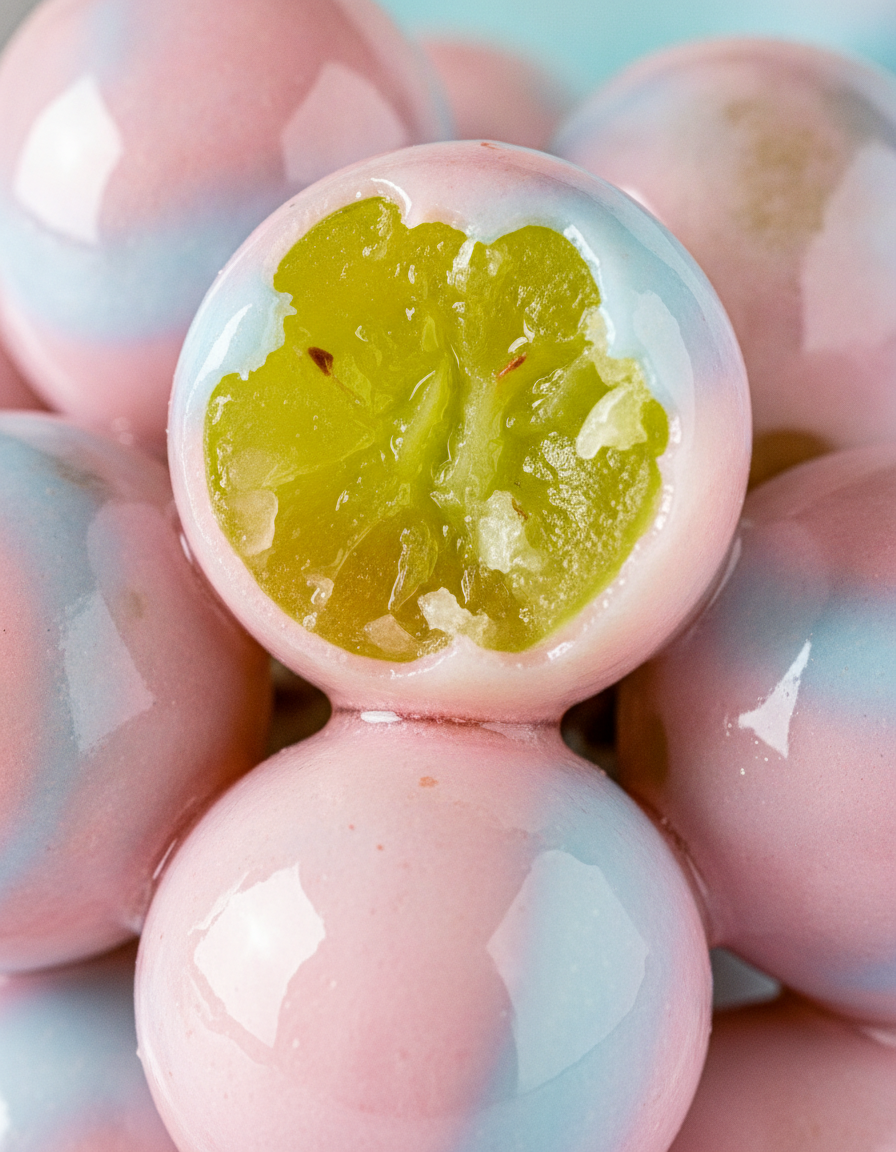
Candy-coated seedless grapes, macro
FIG. 01 · THE PRODUCT: A SUGAR SHELL ON AN ORDINARY GRAPE
01

How It Happened:
The Trend Timeline

The candy grape phenomenon didn't emerge from product development labs or food science departments. It came from TikTok, and it came fast. But trace the lineage back far enough and you find it was never entirely new, it was the latest Western iteration of a Chinese street food tradition that is over a thousand years old.

"Nature's candy just got candy-er. Is it fruit? Is it candy? ...Cruit? Frandy? Who gives a fruit?"

Fruit Riot! official brand copy
Song Dynasty · 960–1279 CE
Tanghulu Is Born
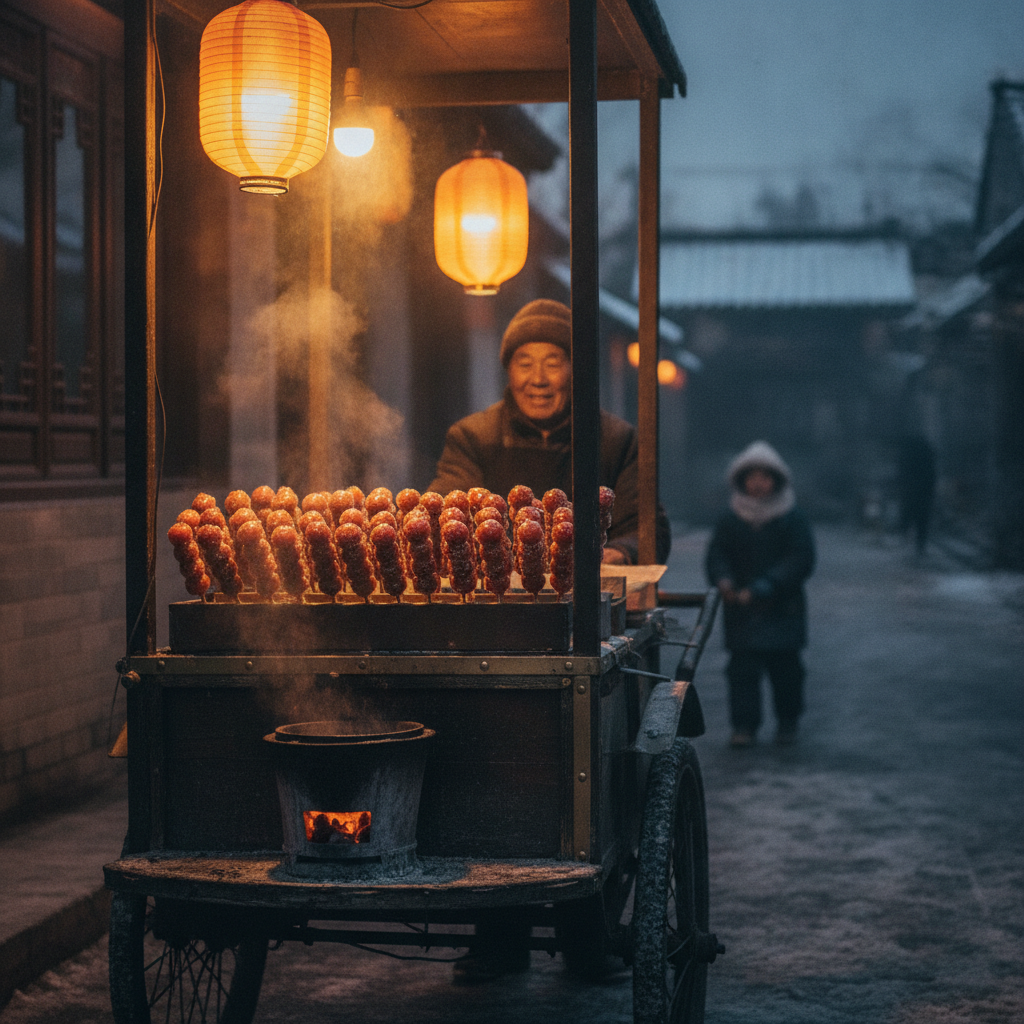
A traditional Chinese street snack, hawthorn berries on skewers, dipped in hardened sugar syrup, originates in northern China, particularly Beijing and Tianjin. Legend ties its creation to a remedy prepared for an imperial concubine. The snack evolves over centuries into ubiquitous winter festival street food.
2020–2021
Tanghulu Hits TikTok
During the pandemic, ASMR food content explodes. Tanghulu, with its visually hypnotic glass-like sugar shell and satisfying crack, goes viral. Western creators start substituting hawthorn for grapes and strawberries: more accessible, seedless, and already beloved. The first "candy grapes" emerge as a DIY kitchen hack.
2021–2022
Emily Mariko Breaks 36 Million Views
A simpler, more replicable version of the trend goes mass-viral: frozen grapes coated in citric acid, lemon juice, and sour sugar. No boiling sugar syrup required. Millions try it at home. The Jolly Rancher and Jello powder variants proliferate. The hashtag #candiedgrapes accumulates hundreds of millions of impressions. A cottage industry of home sellers begins filling TikTok DMs with order forms.
2023
Safety Warnings + Trademark Filed
The tanghulu-style preparation, boiling sugar to extreme temperatures in microwaves, causes severe scald burns in children. Shriners Children's Boston raises national alarm. Health experts issue warnings. Meanwhile, in February 2023, Beyond Better Foods files the Fruit Riot trademark. The market bifurcates: the DIY trend continues underground; the commercial opportunity opens. The "glass fruit" safety story paradoxically amplifies awareness of candy-coated fruit products.
Oct 2023
Fruit Riot Enters Commerce
Beyond Better Foods begins commercial sale of Fruit Riot. The timing is exact: the trademark records show 15 October 2023 as the first date of commercial use. Target, Walmart, Kroger, Whole Foods, and Star Market all list the product. The brand slots neatly into the "better for you" snack category, real fruit, no synthetic colours, gluten-free, kosher, vegan. Price: $7.99–$11.99 for 8oz.
2024
+17–18% Grape Sales Growth Recorded
Circana data presented at the Global Grape Convention 2024 attributes a 17% year-on-year increase in US grape sales directly to social media trends, including the candy/frozen grape phenomenon. Nielsen data shows grapes at 10.4% of all US fruit sales for the 52 weeks to May 2024. Gen Z spending on grapes is 46% above other demographics. Per capita consumption hits a 20-year record high of 8.64 lbs per person.
Early 2026
Fruit Riot Enters UK via Tesco
Fruit Riot makes its UK supermarket debut in Tesco's frozen range review, listing three SKUs at £5.95 for 200g. The move confirms the brand has achieved sufficient scale and retail credibility for international expansion. The product is manufactured for UK sale with a reformulated coating using European-approved natural colour sources.
A tanghulu street vendor cart in northern China at dusk
FIG. 02 · TANGHULU, THE THOUSAND-YEAR-OLD ORIGINAL
02

The Product:
Fruit Riot Dissected

Fruit Riot is owned by Beyond Better Foods LLC, a New York-based food company headquartered in the Bronx. The company was founded by Michael Shoretz, whose original business, the Enlightened ice cream brand, was built on the same thesis: indulgent food can also be "better for you." Shoretz's entry point was his father's diabetes diagnosis, which led him to build products that satisfy without the metabolic cost of conventional confectionery.

Fruit Riot is that thesis applied to a viral moment. The product's co-founder Jen Haberman serves as COO. The company also operates Bada Bean Bada Boom (roasted fava beans) and Cloud10 (popcorn) under the Beyond Better Foods umbrella, all occupying the same "snack that doesn't hate you" positioning.

Fruit Riot's sour grapes product notes "Produced in Mexico", grapes sourced from the Sonoran Desert corridor, likely the Caborca/Hermosillo growing region.

The Fruit Riot thesis in one line: take a viral DIY hack, remove the danger, add retail distribution, and sell the story. The actual manufacturing process, flash-frozen grapes tumbled in a coating of citric acid, malic acid, modified starch, coconut oil, and natural colours, is a food science execution of what millions of TikTok users were doing in their kitchens with Jolly Ranchers.

Current US SKU Range

Sour Grapes
$7.99–$11.99 · 8oz
The original. Grapes + sour coating (sugar, citric/malic acid, lemon juice, modified starch, coconut oil). Produced in Mexico. 45 cal/serving.
Sour Grapes Mix
$7.99–$11.99 · 8oz
Three flavour variants: mixed berry, lemon lime, green apple. Spirulina and vegetable juice for colour. Flavoured with natural flavours. 45 cal/serving.
Crunchy Candy Blueberries
Limited edition · 8oz
Blueberries with sweet (not sour) candy coating. Red/white/blue variants: cherry, wild berry, limeade. 60 cal/serving. Uses spirulina for blue colour.
Sour Mango Mix
US + UK · 8oz / 200g
Extended range SKU. Now also listed in UK Tesco at £5.95 for 200g alongside the core sour grapes variants. Signals intention to build beyond grapes.

The Value Extraction Story

The grapes sourced for Fruit Riot's sour grape SKU are produced in Mexico, almost certainly the Caborca/Sonoran Desert growing region, the same corridor documented in the International Fruiterer table grape report. At wholesale, those grapes trade for roughly $1–2/kg. Fruit Riot retails at $18–27/kg equivalent ($8–12 for 8oz). The difference, a 10–15× price step-up, is captured almost entirely by the brand narrative, the candy coating, the "better for you" positioning, and the social media story. The fruit is the carrier. The emotion is the product.
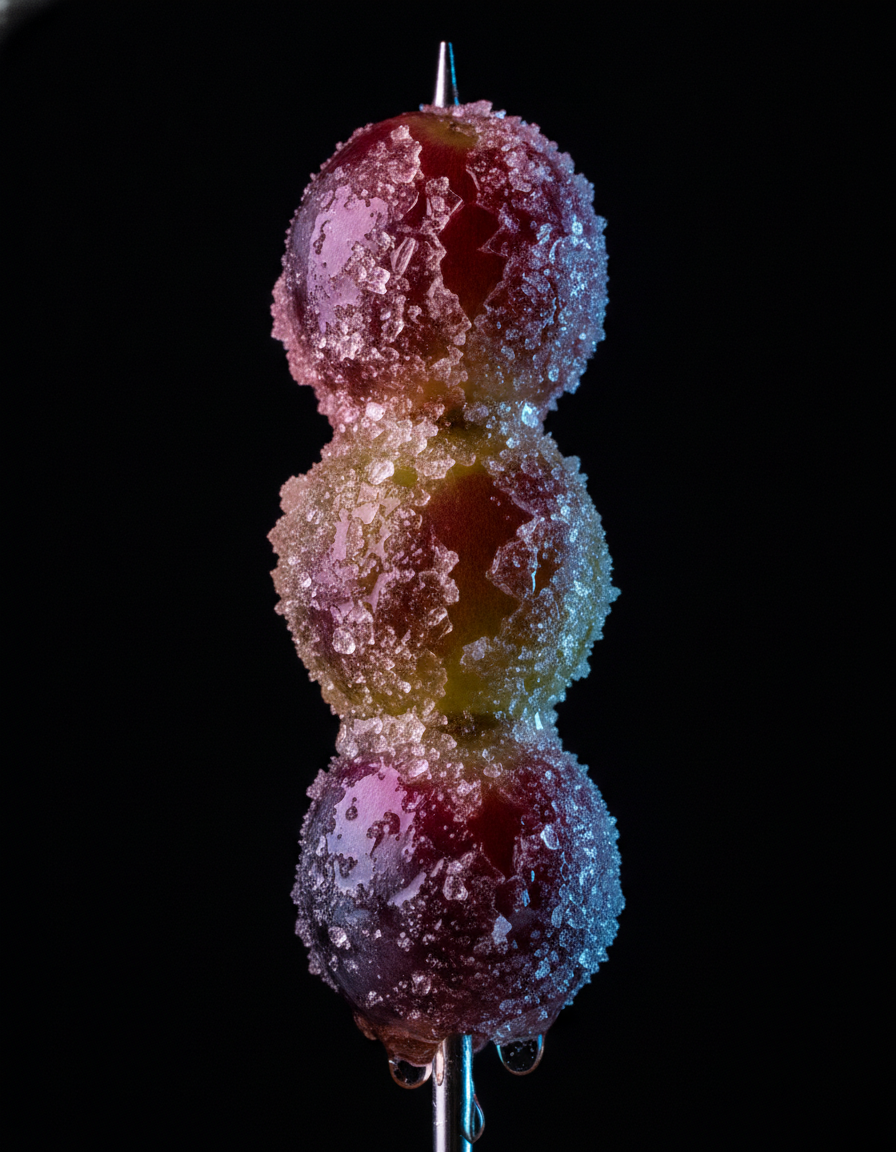
A skewer of glossy candied grapes on dark background
FIG. 03 · THE FORMAT: CRACK, THEN FRUIT
03

Who's Selling
Candy Grapes

The market has stratified across at least three distinct tiers, from national retail CPG to local microenterprise. Each plays a different game, addresses a different consumer, and competes on entirely different terms.

Tier 1, National CPG
Fruit Riot!
Beyond Better Foods · Bronx, NY · Est. 2023
The category originator at mass retail. National US distribution across Target, Walmart, Kroger, Whole Foods. UK entry via Tesco 2026. Trademark filed Feb 2023, commercial launch Oct 2023. Pricing: $7.99–$11.99 / 8oz. Backed by existing CPG infrastructure from Enlightened ice cream brand.
Tier 1, National CPG
Trü Frü
Hyper-Chilled Fruit · Listed Tesco 2026
Chocolate-covered freeze-dried fruit. Listed alongside Fruit Riot in Tesco's 2026 frozen range review. A parallel category play, real fruit, premium coating, targeting the same "mindful snacking" consumer. Established before Fruit Riot but converging on the same retail shelf space.
Tier 1, Big CPG Entry
Hershey × Golden West
Partnership · Launched Nov 2023
Golden West Food Group (Vernon, CA) partnered with The Hershey Company in November 2023 to launch chocolate-covered frozen fruit products explicitly targeting the "mindful snacking" trend. The biggest signal yet that a major confectionery company sees the category as real. Big CPG has noticed.
Tier 2, DTC Operators
Krack Grapes
krackgrapes.com · Local delivery
Jolly Rancher-dipped grapes with a hardened candy shell. Same-day or 24-hour local delivery model. Positioned as a gifting and party product. Candid about the process: grapes are dipped in syrup, hardened, then covered in Jolly Rancher candy mix and frozen. Operates at the premium artisanal end of the DIY tradition.
Tier 2, DTC / Marketplace
Etsy & Lemon8 Sellers
Made-to-order · nationwide
A live, active marketplace for handmade candied grapes on Etsy. Lemon8 (the Instagram/Pinterest hybrid platform) hosts hundreds of recipe creators and small sellers. Products range from Airheads-topped grapes to Fruit Roll-Up wrapped variants. Pricing varies wildly, often $15–25 for a cup.
Tier 3, Street Food
Sweet Crunchy Tanghulu + Clones
NYC pop-ups · K-Town, Times Square
Positioned as authentic Chinese culinary heritage, not a TikTok trend. Operates pop-up stalls in Koreatown NYC, Central Park, Times Square. Charges a premium for the theatre of fresh-dipped tanghulu made in front of the customer. Multiple copycat operators have emerged across US cities.

Key Viral Moments

🎬
Emily Mariko, frozen sour candy grapes recipe
The inflection point. Lemon-lime coated frozen grapes. Simple. Replicable.
36M+ views
⚠️
Jasmine and Tea, tanghulu microwave tutorial
Nearly 20M views. The video that triggered burn injury warnings from Shriners Children's Boston.
~20M views
🍇
SophieSophss, extra crunchy candied grapes recipe
172.7K likes. Representative of the ongoing DIY recipe creator ecosystem.
172.7K likes
🧊
"We have Fruit Riot at home" meme format
The homemade vs. store-bought tension becomes a meme. Fruit Riot is now culturally legible enough to be the punchline.
68.3K+ likes
🇬🇧
UK TikTok creators "hunting for Fruit Riot" in Tesco
Organic content generated by UK consumers searching for the product in-store. 77.5K+ views on one creator's post. Free brand amplification at point of sale.
77.5K views
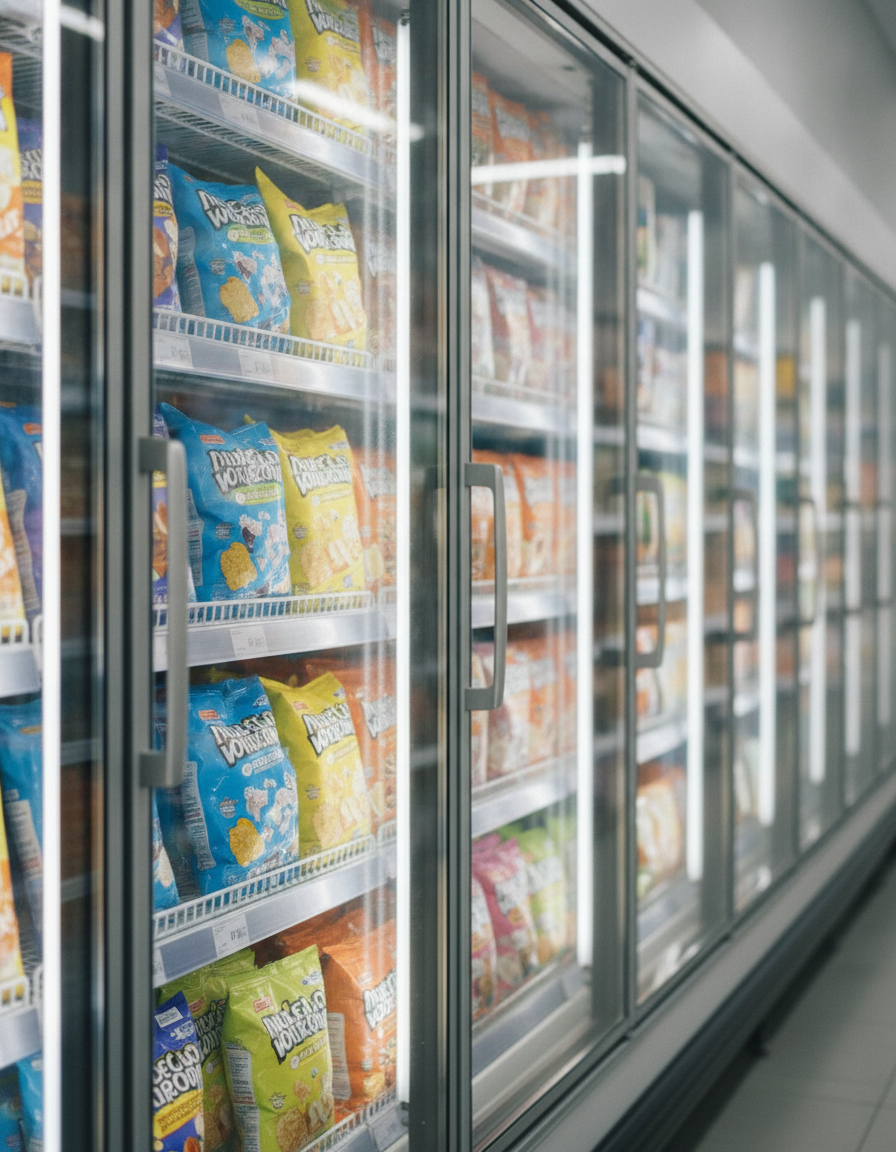
A supermarket freezer aisle
FIG. 04 · THE FREEZER AISLE LAND-GRAB
04

Market Data:
What the Numbers Say

The candy grape trend sits at the intersection of two measurable markets: the table grape produce market (where the raw material is traded) and the emerging frozen candy fruit snack category (where the value-added product competes). Both are growing, driven by the same social media signal.

US Grape Sales Growth, Social Media Attribution (2024)
YoY % lift attributable to TikTok-driven trends · Source: Circana / Nielsen data
Frozen grape DIY trend
+18% YoY
Grape Theory (NYE ritual)
+17% YoY
Gen Z vs avg spend
+46% premium
Grapes % of total fruit sales
10.4% share
Grapes % of total produce
5.1% share
Adjacent Frozen Snack & Candy Markets, Size Context
Global market sizes · Various sources
US Frozen Fruit market
$3.36B (2025)
Global Freeze-Dried Candy
$1.36B (2023)
Freeze-dried candy (2030 proj.)
$2.38B by 2030
Berries & grapes (frozen)
53.7% of US frozen fruit mkt

Retail Distribution Snapshot, Fruit Riot

Retailer Geography SKUs Listed Price Point Status
Target USA (national) 3+ SKUs $7.99–$9.99 Active
Walmart USA (national) 3+ SKUs $7.99–$9.99 Active
Whole Foods Market USA (national) 2+ SKUs $9.99–$11.99 Active
Kroger / Star Market USA (regional) 2 SKUs $8.99–$10.99 Active
Tesco UK (national) 3 SKUs · 200g £5.95 2026 Entry
Kosher independents NY metro area Select SKUs Variable Active

Data reliability note: Fruit Riot / Beyond Better Foods does not publicly report revenue. The retail distribution picture is assembled from UPC databases, retailer product listings, trademark records, and trade press. Market size figures for the "frozen candy fruit" sub-category are not discretely tracked, the category is embedded inside broader frozen fruit and confectionery datasets.
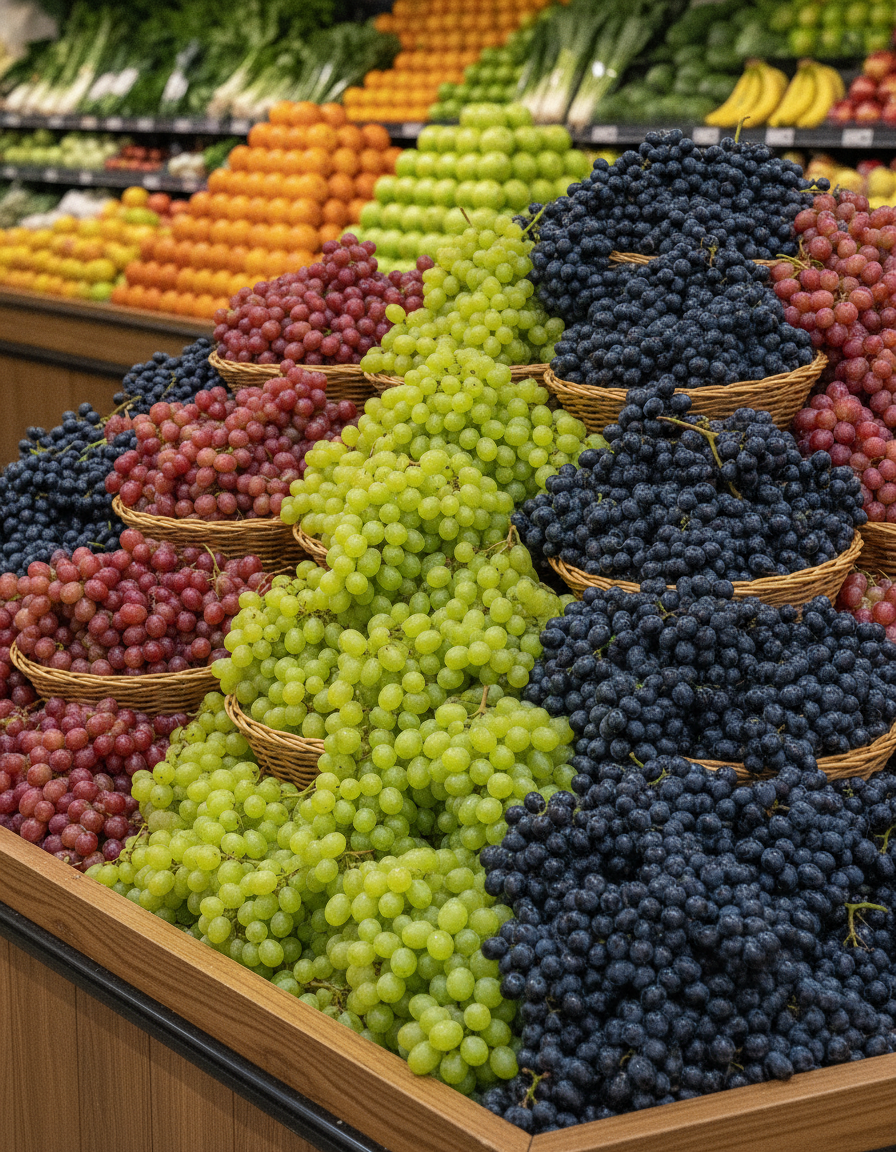
An abundant retail grape display
FIG. 05 · THE CATEGORY HALO AT RETAIL
05

The Upstream Signal:
Bloom Fresh & IFG React

The most commercially significant dimension of the candy grape story, the one that connects directly to the International Fruiterer's existing table grape intelligence work, is what is now happening at the genetics and breeding level.

Bloom Fresh (part of AMFresh Group, backed by EQT Future and Paine Schwartz Partners) and International Fruit Genetics (IFG), the two dominant players in table grape varietal development, are not sitting still. They are actively reading the social media consumption signal and working it back into their breeding programs.

"The biggest-ever survey into British grape-buying preferences is underway to establish exactly what consumers want, grapes are now categorised by tropical flavour, candy flavour, and crunchiness."

Bloom Fresh / AMT Fresh Fruitology™ trial, Tesco UK, 2025

Bloom Fresh and AMT Fresh are running a programme called Fruitology™, conducted exclusively in 220 large-format Tesco stores across the UK, in which table grapes are sold in clearly labelled packaging organised around three consumer preference categories: tropical flavour, candy flavour, and crunchiness. This is the genetics industry running real-time consumer research at shelf.

The early results are revealing: UK shoppers rank crunchiness first, tropical flavour second, and candy flavour third. This matters for breeding priorities: if "candy flavour" grapes are now a distinct category at retail, and Cotton Candy grapes (licensed by IFG to Grapery) already retail at $3.99–$5/lb premium, then the TikTok candy grape trend has created a genuine, measurable consumer preference that is now feeding directly into 5–10 year varietal development cycles.

The chain runs: TikTok DIY hack → viral content → measurable category growth → genetics companies run consumer preference trials → future grape varieties shaped by the trend. What started as teenagers dipping seedless grapes in Jolly Rancher syrup is now influencing what grapes Bloom Fresh and IFG will release in the 2030s.

The Full Loop: From TikTok to the Breeding Lab

The candy grape phenomenon is a near-perfect demonstration of how social media now shapes agricultural supply chains. A viral DIY snack in 2021 drove measurable sales increases by 2024. A CPG company productised the trend and achieved major retail distribution within 18 months of trademark filing. The world's largest grape genetics companies are now running consumer trials with "candy flavour" as an explicit preference category. The grapes being developed today, varieties that will take 5–10 years to reach commercial scale, are being shaped, in part, by what Gen Z put on TikTok in 2021. The lag between consumer trend and agricultural supply response has never been shorter.
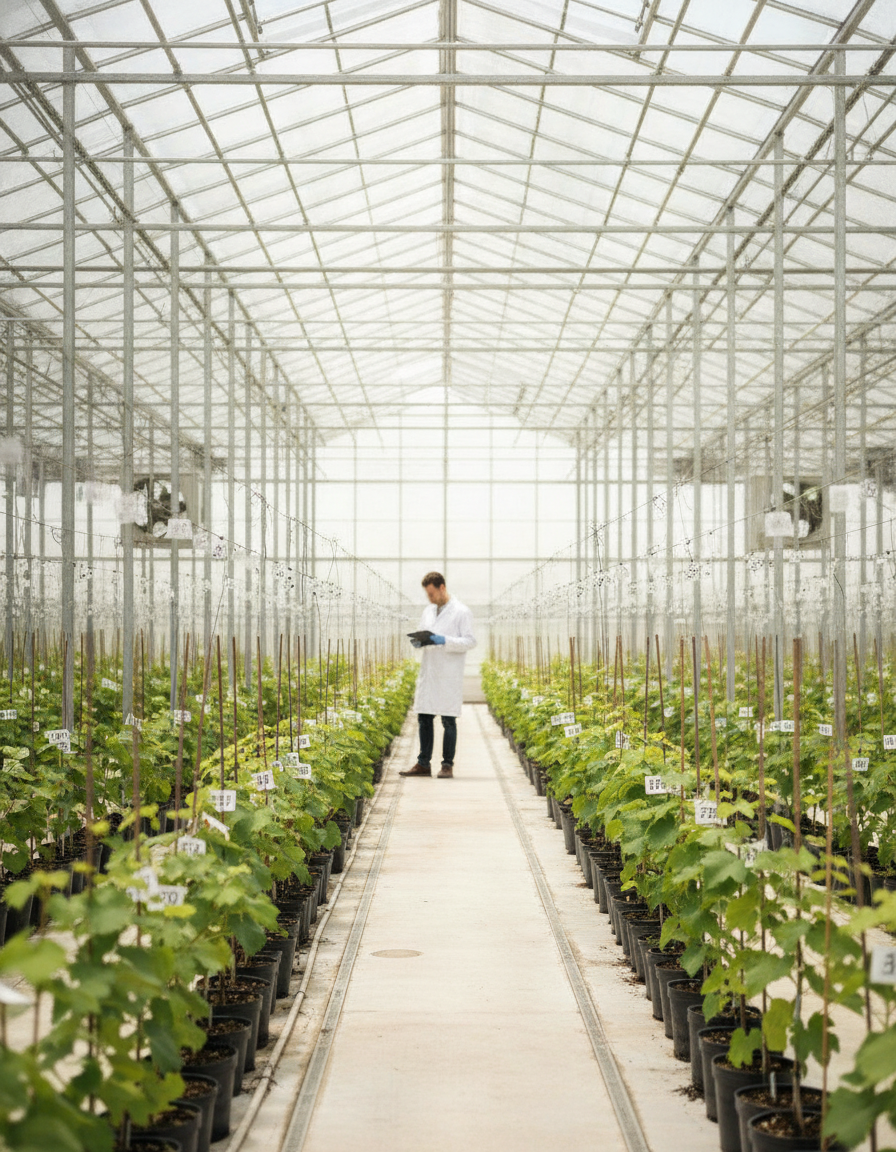
Young trial vines in a breeding greenhouse
FIG. 06 · THE BREEDING PIPELINE REACTS
06

The Produce Professional
Lens

The images that prompted this report were taken in a Target freezer aisle, the commercial endpoint of a story that spans Song Dynasty China, a pandemic-era TikTok kitchen, a Bronx CPG startup, a Mexican grape farm, and a Tesco frozen range review. For anyone working inside the produce industry, several things are worth examining closely.

📈
Demand creation by social media
The 17–18% YoY grape sales increase directly tied to TikTok trends is extraordinary for a mature commodity fruit. Growers in Chile, Peru, and Mexico benefited from demand they had no hand in creating. This is what it looks like when social media does the marketing for an entire category.
💰
Value-add extraction opportunity
A 10–15× price step-up from commodity grape to Fruit Riot retail demonstrates the margin available in value-added frozen fruit. For produce operations already handling cold chain, the processing step is relatively simple. The brand and story are where the margin lives.
🧬
Genetics feedback loop
Bloom Fresh and IFG are now actively using "candy flavour" as a consumer preference category in retail trials. Breeders are listening to TikTok, even if indirectly. For anyone in the genetics supply chain, this is a commercial signal to take seriously.
⚠️
Safety and brand risk
The tanghulu burn injury story generated significant negative press. For any producer entering this category, the distinction between safe (commercial frozen coating) and dangerous (boiling sugar syrup at home) needs to be clear in messaging. The safety story is also a competitive moat, it makes the professional product more defensible.
🌊
Trend shelf-life uncertainty
TikTok trends peak and trough. The freeze-dried candy market (adjacent category) grew 1,600% in search volume between 2022–2023. Whether the candy grape category stabilises into a permanent supermarket fixture or recedes is not yet proven. Fruit Riot's Tesco listing suggests institutional confidence in longevity, but the jury is still out.
🏭
Origin invisibility, again
The grapes in that $10 bag of Fruit Riot Sour Grapes were grown in Mexico (the label confirms it). The Sonoran Desert grower who produced them receives commodity prices. The brand story, the TikTok hook, the candy science, the "real fruit inside" positioning, all accrues to Beyond Better Foods. The value-add geography and the growing geography are entirely separate.

"Someone at Beyond Better Foods in 2022 was watching TikTok, saw tens of millions of views on Emily Mariko making sour frozen grapes, and thought: we can productise this. Within 12 months they had a trademark, a product, and shelf space at Target and Walmart."

International Fruiterer Research, June 2026
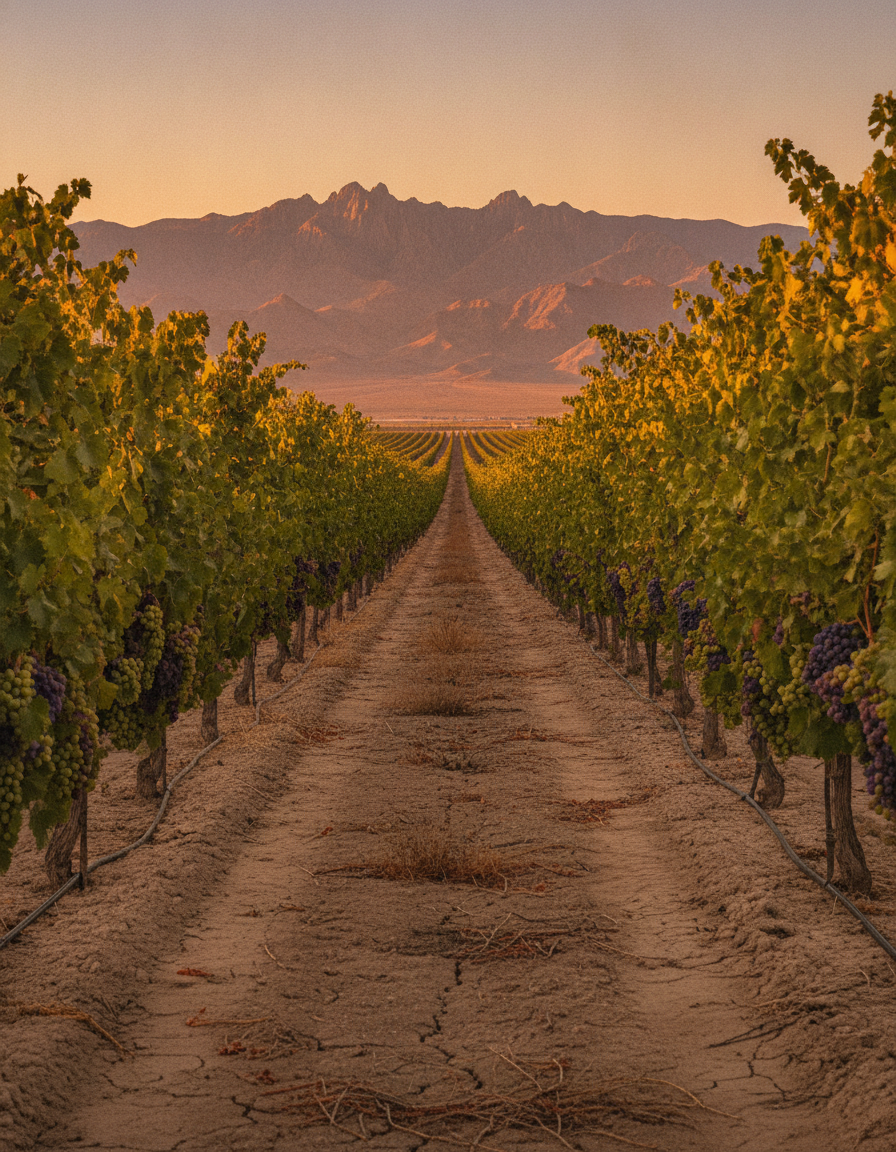
Table grape vineyard rows in a desert valley
FIG. 07 · WHERE THE GRAPES ACTUALLY GROW
07

Outlook

The candy grape category is in early institutionalisation. The trajectory from here depends on several variables:

Category staying power. Fruit Riot's entry into Tesco is the most reliable signal of institutionalisation, major grocery retailers do not take on new frozen SKUs lightly, and the UK launch in early 2026 suggests Beyond Better Foods has the retail track record and demand data to justify international investment. The adjacent freeze-dried candy market is on a strong 8.3% CAGR to 2030. The "better for you" snack macro trend, which both categories ride, shows no structural reversal.

Big CPG escalation. The Hershey × Golden West partnership (November 2023) was the clearest signal that major confectionery players have noticed. If Hershey, Mars, or Mondelez deploy their full distribution and marketing muscle into candy-coated frozen fruit, Fruit Riot faces a different competitive environment than the one it launched into. The brand's lead time and social media authenticity are its moats, but they are not impenetrable.

The genetics cycle. Bloom Fresh and IFG's "candy flavour" consumer research will feed into varietal development programmes whose commercial output is 5–10 years away. The grapes being bred today for candy-like flavour profiles will arrive at supermarkets in the early 2030s, potentially cannibalising the candy-coated grape category by making the raw fruit itself a more compelling product.

The homemade market persists. No amount of retail productisation will stop people making candy grapes at home. The TikTok creator economy continues to generate millions of views on candied grape recipes in 2026. This is not a threat to Fruit Riot, it is, ironically, the category's best marketing. Every person who makes them at home and shares the video is advertising the concept. Some percentage will also buy the commercial product for convenience.

International expansion. With Tesco as a beachhead, the European market is open. The UK listing almost certainly means conversations are underway with French, German, and Benelux retailers. The product's positioning, "no synthetic colours," kosher, vegan, natural fruit-based, aligns well with European clean-label requirements.

The Key Watch: Can a TikTok Category Survive Its Trend?

The real question is whether the candy grape category has achieved genuine consumer behaviour change, people who now habitually reach for frozen candy fruit, or whether it is still riding the tail of a trend. The 17% grape sales growth is real. The Tesco listing is real. The Bloom Fresh genetics trial is real. But none of this definitively answers the durability question. Watch the 2026 and 2027 Nielsen grape sales data. If growth holds above commodity averages as the TikTok novelty fades, the category has legs. If it reverts to pre-2021 trend growth, it was a moment, not a movement.