The Banana Crisis
How monoculture conquered the world's most critical fruit, and why it's about to collapse
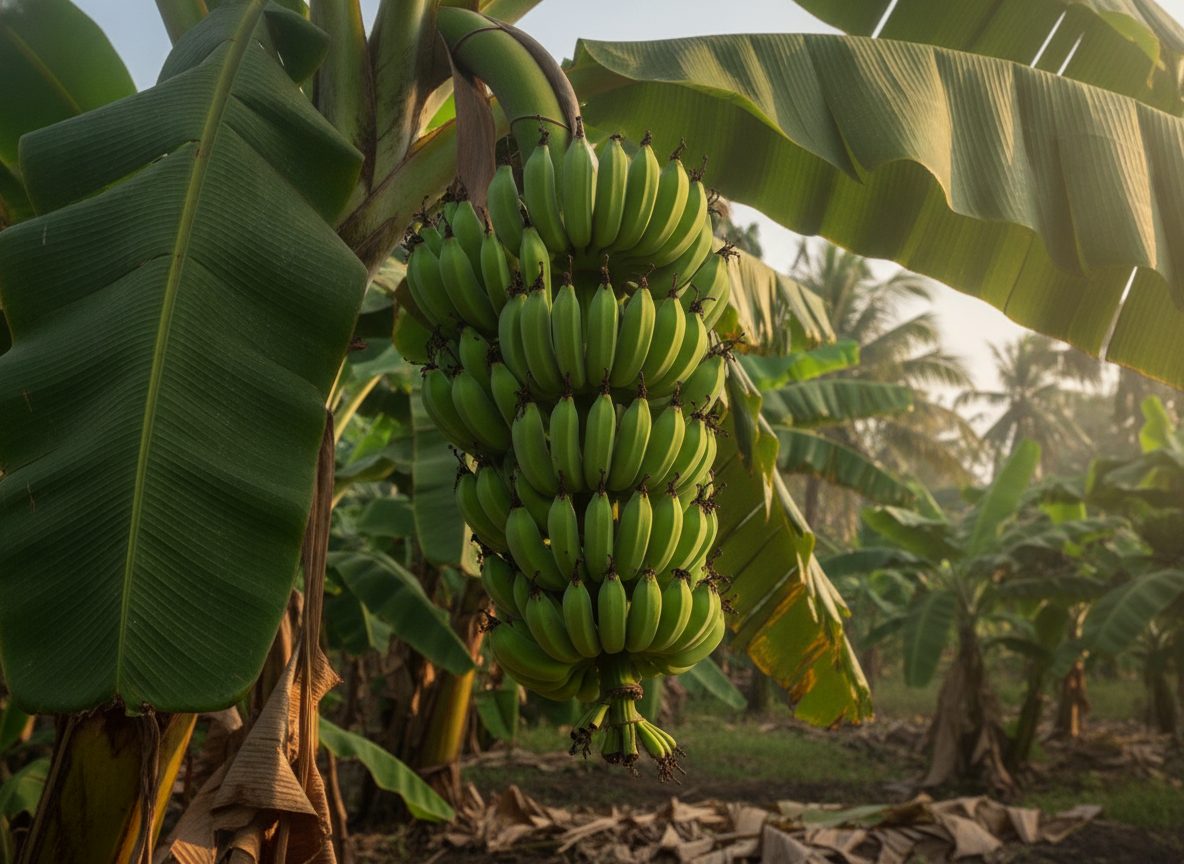
The Banana Everywhere: How Supply Became Global
Walk into any supermarket on Earth and you'll find the same banana: year-round, consistent, interchangeable. Your parents had the same experience. Your grandparents did not.
Fifty years ago, bananas were seasonal. Availability cycled. Prices spiked. You didn't eat a banana in December because they weren't in your region. Today, bananas are effectively treated as a perpetual crop, a staple with the expectability of milk or bread.
This shift happened through a combination of:
Hemisphere Arbitrage
Ecuador grows bananas when Central America's are offline. The Philippines supplies when Ecuador floods. India dominates domestic consumption but never exports. By spreading production across latitudes and hemispheres, the industry created a permanent supply pipeline. No season. No scarcity. Constant availability.
Post-Harvest Technology & Cold Chain
Bananas are picked green. The fruit ripens in temperature-controlled ripening facilities, not on the tree. A banana shipped from Ecuador arrives unripe, is stored in controlled conditions, then gas-ripened (ethylene) right before sale. This disconnects harvest from consumption by weeks or months, enabling truly global supply chains.
Genetic Consistency
Cavendish bananas are clones. Every plant is genetically identical, propagated vegetatively from a single genetic line. This standardization makes the fruit predictable: same size, same sweetness, same shelf life. It also makes the entire industry vulnerable to a single pathogen.
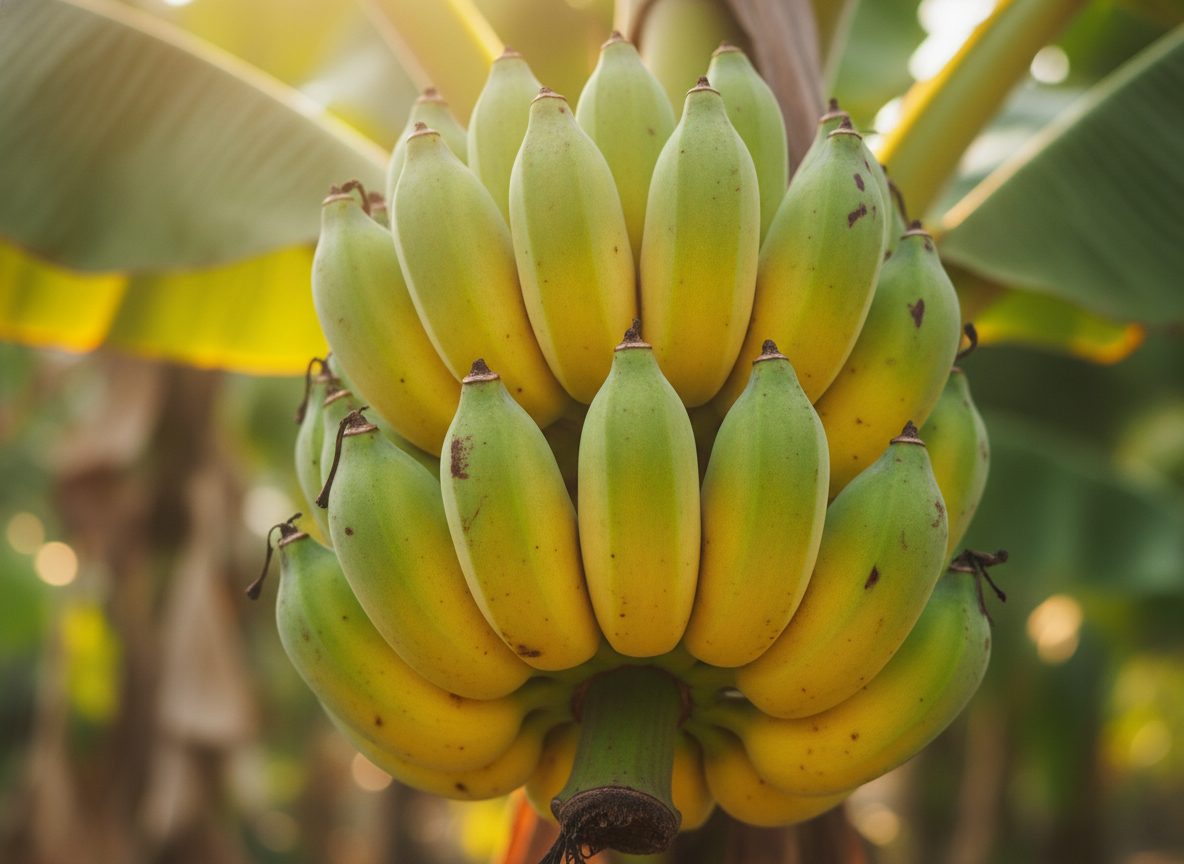
The Genetics of Banana: What Made It and What Breaks It
The banana you eat is not a natural fruit. It's a mutant that humans have been cloning for 7,000 years.
Wild bananas contain large hard seeds, essentially inedible. Somewhere around 5000 BCE in Papua New Guinea or the Malay Peninsula, humans discovered a mutant banana without seeds. This triploid (three sets of chromosomes instead of two) couldn't reproduce sexually, but it could be propagated vegetatively by dividing the plant. Humans took that mutation and cloned it, over and over, for millennia.
The Genetic Straitjacket
Every Cavendish banana alive today is genetically identical to every other Cavendish. They are clones of clones of clones, stretching back to selections made in Southeast Asia centuries ago. This genetic uniformity is excellent for commercial consistency, every fruit tastes the same, looks the same, ships the same. It is catastrophic for disease resistance.
The Fusarium Wilt Mechanism
Panama disease (Fusarium wilt, caused by Fusarium oxysporum f.sp. cubense) is a soil-borne fungus. It enters through the roots and colonizes the vascular system, the tubes that carry water and nutrients up through the plant. The fungus clogs these tubes with spores and toxic compounds, essentially starving the plant from within. The leaves wilt and blacken. The fruit doesn't develop. The plant dies.
The pathogen survives in soil for decades. Even burning infected plantations doesn't guarantee eradication, chlamydospores (thick-walled dormant spores) remain viable for 30+ years. Once soil is infected, you cannot grow bananas there for a generation.
Race 1 vs. TR4
The Gros Michel variety was devastated by Race 1 (discovered in the 1890s, widespread by the 1950s). Race 1 is relatively restricted in which varieties it can infect. The Cavendish is resistant to Race 1, which is why the industry switched.
Tropical Race 4 (TR4), discovered in Southeast Asia in the 1970s, has no such limitations. It infects Cavendish, plantains, and most other commercial banana varieties. TR4 is more aggressive, spreads faster, and survives longer in soil.
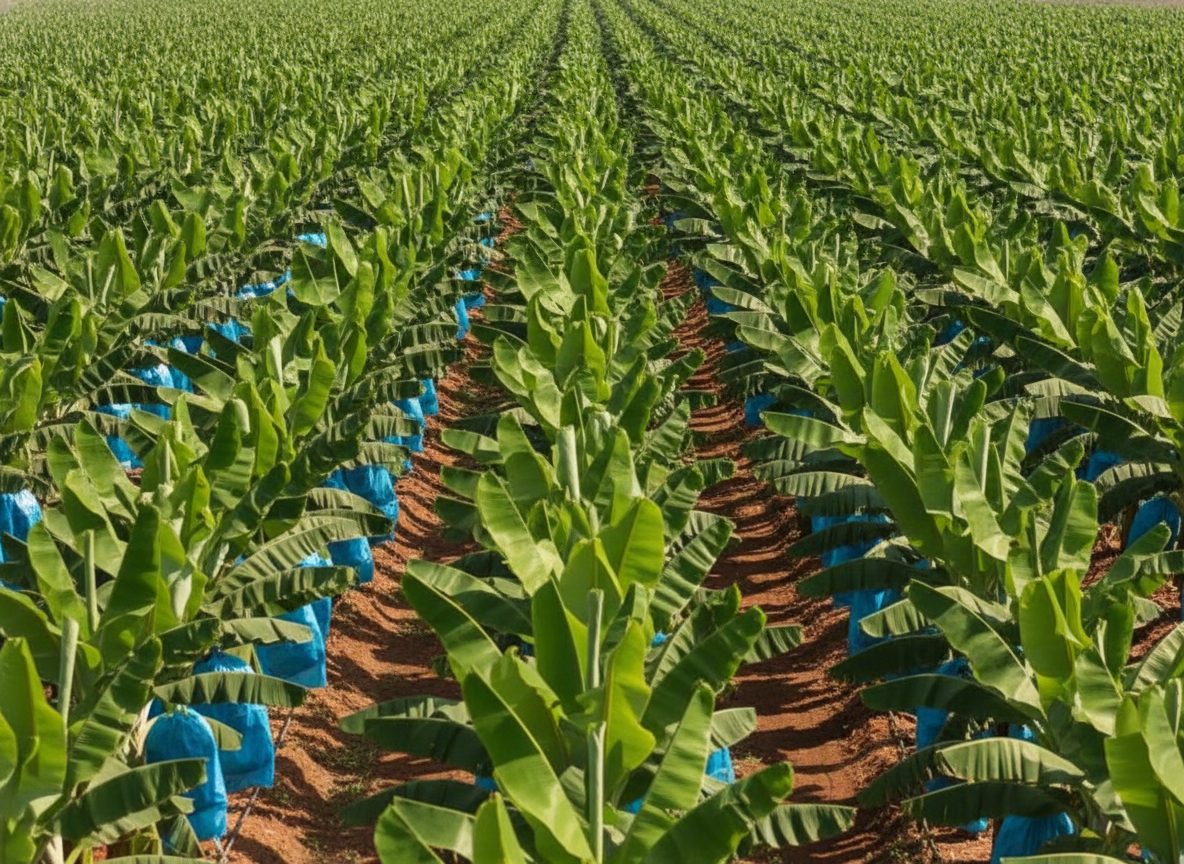
The Hidden War: Who's Breeding Better Bananas
Unlike corn or wheat, where private seed companies dominate, banana breeding is fragmented between government research institutions, NGOs, and a handful of private players. Here's who's in the race:
The CRISPR Question
Multiple groups are exploring CRISPR-Cas9 gene editing to introduce TR4 resistance into Cavendish without altering taste or appearance. Queensland University has developed GMO banana materials showing TR4 resistance. The technical hurdle is solved. The regulatory hurdle is not.
GMO crops face massive regulatory barriers in most countries, even when the edited trait is identical to what conventional breeding would achieve. A CRISPR-edited banana that tastes identical to a Cavendish still requires years of approval and millions in regulatory costs. Consumer acceptance remains uncertain.
None of these breeding programmes has yet deployed a TR4-resistant banana at commercial scale. FHIA varieties show promise but require market adoption by growers and acceptance by consumers, both slow processes. CRISPR solutions exist in lab but face regulatory limbo. The gap between "solutions exist" and "solutions deployed" could be 10-15 years.
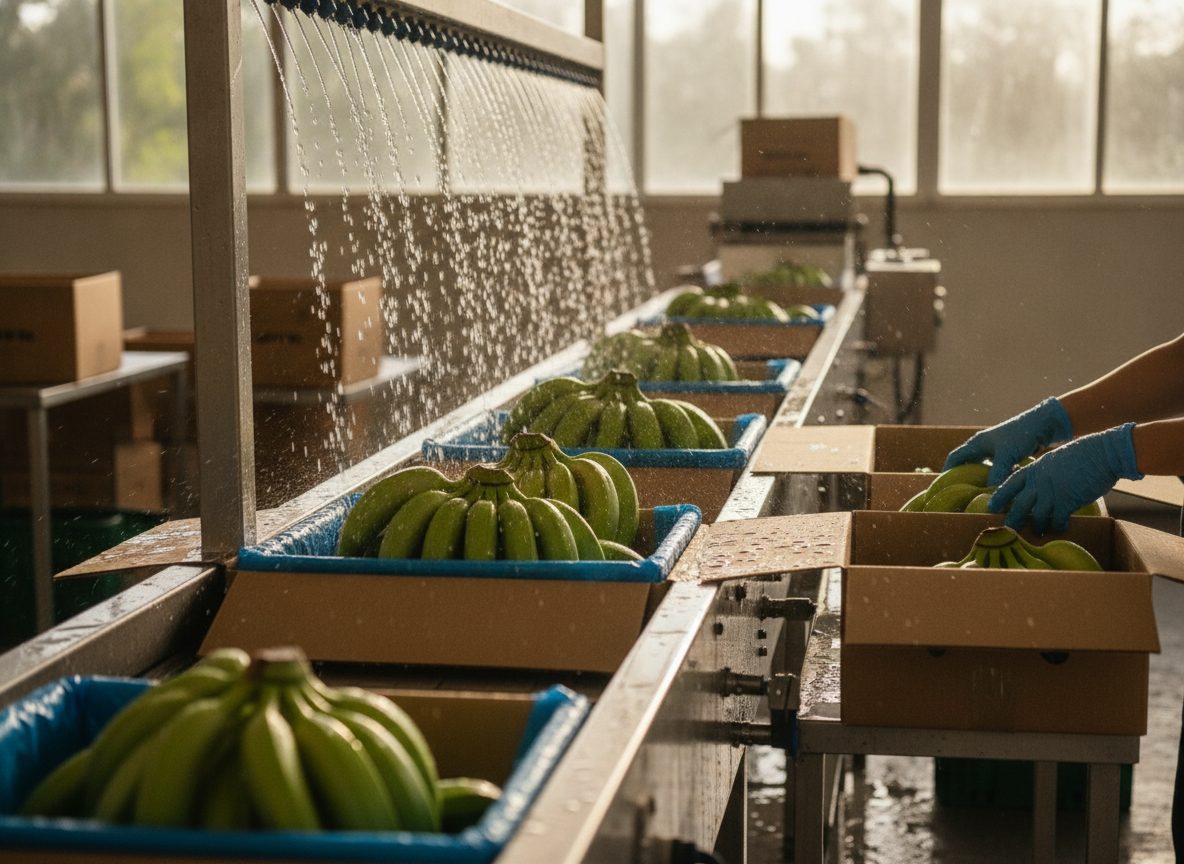
The Numbers: Who Grows, Who Exports, Who Consumes
Global Production
Global banana production reached 139.4 million tonnes in 2024. This makes bananas the world's most produced fruit by volume. For context: apples (97M), watermelons (105M), citrus (89M). Bananas win by quantity.
| Country | Production (Mt) | % Global | Trend |
|---|---|---|---|
| India | 35.07 | 25.1% | +2.86% (2023-2024) |
| China | 11.8 | 8.5% | Declining (acreage -3.3%) |
| Indonesia | 7.7 | 5.5% | +1.18% |
| Philippines | 9.08 | 6.5% | -0.61% |
| Ecuador | 6.5 | 4.7% | +1.5% |
| Brazil | 6.8 | 4.9% | Stable |
| Costa Rica | 2.9 | 2.1% | +1.16% |
| Colombia | 2.29 | 1.6% | +1.21% |
| Other | 49.65 | 35.6% | Mixed |
The asymmetry: India dominates production but doesn't export, virtually all bananas are consumed domestically. Ecuador, despite producing only 4.7% of global bananas, accounts for 25-30% of global exports. This export concentration is both an economic asset and a vulnerability.
Export Market
Global banana exports reached 24.66 million tonnes in 2024 (by weight), representing approximately $15.3 billion in value. Note the decline from 2023: exports fell 11.3% year-on-year, reflecting weather disruptions and early TR4 impacts in Latin America.
These five countries account for 66% of global banana exports. The Philippines surged 26% in 2025 (FAO preliminary), moving to #2 behind Ecuador. Colombia is growing rapidly (+34% 2023-2024), diversifying export sources.
Import Markets
| Country | Imports (2024) | Top Suppliers |
|---|---|---|
| USA | 4.2 Mt | Guatemala (42%), Ecuador (26%), Costa Rica (12%) |
| China | 1.69 Mt | Vietnam (newly #1), Philippines, Ecuador |
| Russia* | ~1.48 Mt | Ecuador (monopoly supply) |
| EU | ~1.1 Mt | Ecuador, Colombia (Germany), France domestic |
| Japan | 1.04 Mt | Philippines (primary), Ecuador |
*Russia's import data is incomplete due to sanctions and export restrictions. Estimates suggest Ecuador retains near-monopoly on Russian supply.
Cavendish Dominance
The Cavendish variety represents approximately 47% of global banana production (50 million tonnes annually) and nearly 95% of bananas entering international trade. This extreme concentration in a single variety is the industry's systemic risk.
The Hidden Costs: Water, Pesticides, Labour & Land
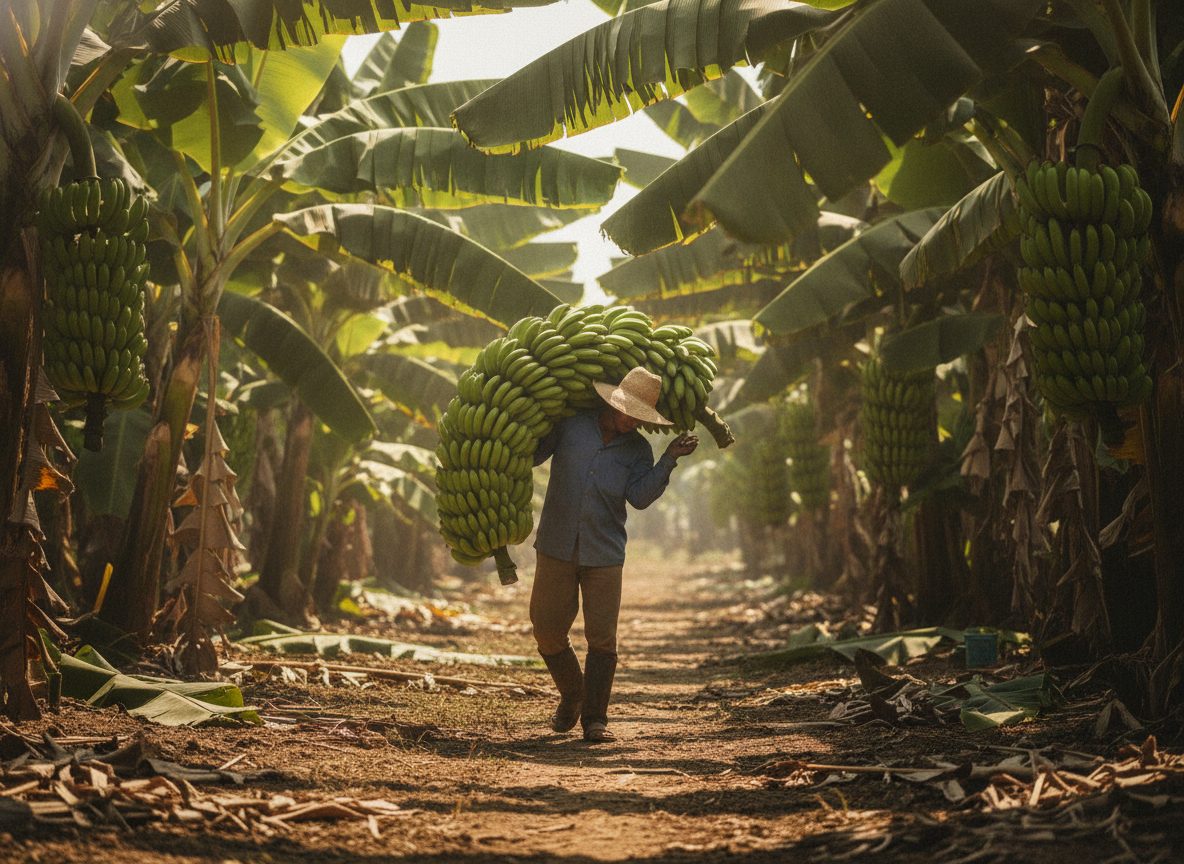
The banana in your hand represents a complex web of environmental and social costs. The industry's scale and intensity create pressures that are often invisible to consumers.
Water Stress & Irrigation
Bananas require consistent moisture. In regions with irregular rainfall, commercial plantations rely heavily on irrigation. Water stress-induced yield losses can reach 65% in drought years, a catastrophic economic hit.
Ecuador, the world's largest exporter, concentrates 88% of national banana production in the Guayas river basin in the coastal western region. This basin is hydrologically stressed, with competing agricultural demand (rice, cacao, aquaculture). Water security for banana exports is not a distant risk, it's a present constraint.
Ecuador produces 6.5M tonnes annually (4.7% global production) but exports 6.41M tonnes (26% global exports). This means 98% of production is for export, a single-product economy.
The Guayas basin accounts for 88% of Ecuadorian banana production on approximately 200,000 hectares. This concentration creates:
- Aquifer pressure (competing with rice irrigation)
- Chemical runoff into rivers and coastal waters
- Air quality impacts (aerial fungicide spraying affects 89.5% of rural residents without clean drinking water)
Pesticide Use & Health Impacts
Bananas are chemically intensive crops. Black Sigatoka fungal disease requires frequent fungicide applications. Anthracnose, bacterial wilt, and insect pests (banana weevil, thrips) drive additional chemical use.
Conventional banana plantations in Ecuador use aerial spraying, fungicides, insecticides, and herbicides applied by aircraft across entire plantation blocks. This approach is efficient for large-scale operations but creates exposure far beyond the farm:
Approximately 25 million agricultural workers worldwide experience unintentional pesticide poisoning annually. Bananas, despite being a relatively small crop, account for a disproportionate share due to the intensity of chemical management.
Labour & Wage Conditions
Banana farming is labour-intensive. While automation (mechanical harvesting, sorting) has increased, hand harvesting remains the industry standard. Farmgate prices vary dramatically by region:
- China: €0.25–€0.45/kg (2025)
- India: €0.29–€0.30/kg (2023-2024)
- Ecuador/Central America: Typically lower, often €0.15–€0.25/kg to small producers
Farmgate prices translate to worker wages that vary, but many banana farmworkers in Central America and Ecuador earn below the regional living wage. Wage stagnation combined with rising chemical exposure creates a documented public health crisis in producing regions.
Land Use & Habitat
Banana cultivation has historically driven deforestation. Large-scale plantation development in Central America and Ecuador replaced tropical forest and wetlands. Modern expansion is more regulated but land pressure remains in regions where TR4 forces replanting.
Carbon Footprint
A banana's carbon footprint varies by region and supply chain efficiency:
- Farm production: 0.15–0.25 kg CO₂e/kg banana (irrigation energy, machinery, fertilizer)
- Transport (sea): Minimal impact (0.05–0.10 kg CO₂e/kg)
- Post-harvest (ripening, refrigeration): 0.10–0.20 kg CO₂e/kg depending on local energy grid
An Ecuadorian banana consumed in Europe generates approximately 0.40–0.50 kg CO₂e, dominated by production intensity and ripening facility energy. This is moderate compared to air-freighted berries but significant for volume (139M tonnes globally).
The Next Decade: Technology, Disease & Structural Change
The TR4 Spread Trajectory
Panama disease TR4 was detected in Southeast Asia in the 1970s, Africa in 2013, and Latin America in 2019. The disease has since spread to 23+ countries across four continents. Recent patterns:
- Colombia: First detection August 2019. By 2024, confirmed across 20+ farms spanning La Guajira and Magdalena departments. 300+ hectares eradicated. Quarantine zones expanding.
- Peru: Active spread monitoring by SENASA (national plant protection office). Cases increasing but not yet at Colombia's scale.
- Central America: Guatemala, Honduras, Costa Rica on heightened alert. No official detections, but proximity to affected regions (Colombia, Mexico border) creates imminent risk.
- Africa & Middle East: Established in multiple countries. Biosecurity capacity varies; risk of undetected spread is high.
Actual TR4 extent in Latin America may exceed official reports. Farmers have incentive to hide disease (quarantine devastates farm value). FAO-based estimates suggest 10-20 farms officially confirmed in Latin America; actual infected acreage could be 2-3x higher if accounting for unreported cases.
Disease Cost Baseline
Annual losses from banana diseases (Fusarium wilt Race 1, Black Sigatoka, Banana Bunchy Top Virus, other pathogens) are estimated at $2.5 billion globally. TR4 spread could multiply this by 3-5x if it reaches major export zones unchecked.
Breeding Programme Timelines
FHIA Hybrids
FHIA-25 shows resistance to Black Sigatoka and some Fusarium strains. Current status: in field trials across Latin America, but not yet adopted at commercial export scale. Market adoption challenges: farmers are risk-averse (Cavendish is proven; FHIA varieties are unproven in their specific markets). Consumer acceptance: unknown (unfamiliar variety, different taste profile).
Timeline to significant adoption: 5-10 years, if regulatory pathways clear and consumer trials succeed.
EMBRAPA & Improved Diploids
Breeding improved diploids and crossing with commercial triploids is producing promising hybrids (BRS Maravilha, BRS Caipira). These are in field trials in Brazil and Central America. The programme is one of the world's largest, but progress is methodical, conventional breeding cannot be rushed.
Timeline to deployment: 8-15 years.
CRISPR-Edited Bananas
Technically feasible today. CRISPR-edited Cavendish with TR4 resistance genes from wild relatives has been demonstrated in controlled environments. The genetic modification is minute, a single gene insertion, yet regulatory frameworks treat GMO bananas as novel organisms requiring multi-year approval processes.
Timeline to commercial deployment: 10-20 years, pending regulatory clarity and public acceptance.
Market & Price Trends
Banana prices have been relatively stable (€0.50–€0.60/kg wholesale in importing markets) due to commodity scale and export competition. However, scarcity from TR4 could push prices up 30-50% if major supply zones are affected. This would hurt consumers in developing countries where bananas are a caloric staple.
Emerging Production Regions
Vietnam has emerged as an unexpected player, recently surpassing the Philippines as China's largest banana supplier (FAO 2025 preliminary data). Vietnam's growth reflects land availability and lower production costs, but limited export infrastructure. African producers (Cameroon, Ghana, Côte d'Ivoire) could expand banana exports if market windows open, but TR4 presence in the region complicates growth strategies.
Consumer Trends & Variety Diversification
Organic banana sales have grown 13.5% in the US market (2024), driven partly by Ecuador's supply increases. This signals willingness to pay premiums for certified bananas. Specialty varieties, Lady Finger (sugar banana), red bananas, are gaining shelf space in North American and European supermarkets, though volumes remain tiny compared to Cavendish.
If TR4 severely constrains Cavendish supply, consumer adaptation to alternative varieties would accelerate. This represents a market restructuring toward biodiversity, a long-term benefit even if the trigger event (disease) is catastrophic in the short term.
The Structural Question
The banana industry faces a choice: double down on Cavendish with intensive biosecurity and hope to contain TR4, or strategically diversify into disease-resistant varieties and accept lower standardization. The former approach is cheaper in the next 5 years. The latter is more resilient over 20 years.
Evidence suggests the industry will pursue both simultaneously, maintaining Cavendish dominance while quietly building a backup bench of alternative varieties. This hedging strategy is reasonable but slow. Meanwhile, TR4 spreads faster than breeding programmes can deploy resistance.