International Fruiterer · Intelligence Series · 2025
The Avocado
From a Colombian table staple and an accidental California seedling to the world's most contested fruit, the full story of how Hass conquered the globe.
10.47M
tonnes global production 2023
722K
tonnes Peru exported 2025 (record)
80%
global consumption, one variety (Hass)
$4,800
total royalties Rudolph Hass ever earned
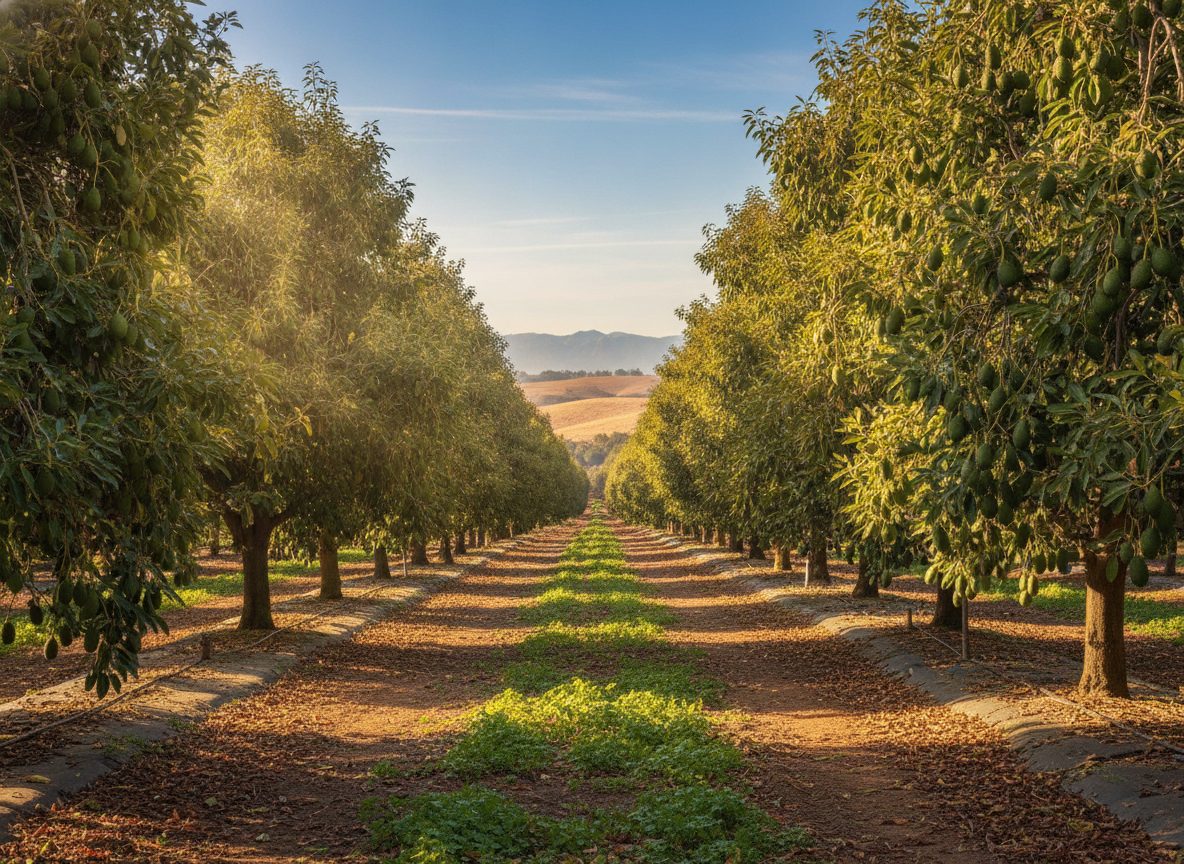
FIG. 02 - ORCHARD IN FULL BEARING
§ 01
Season Extension & Supply Chain
For most of the 20th century, if you wanted an avocado in the United States, you had roughly a six-month window, California's season, March through August, and you were getting the Fuerte: bright green, smooth-skinned, good tasting, but bruised badly in transit and rotted fast. Outside California, Florida, and Hawaii, avocados were essentially unknown. A grocery category, not a cultural phenomenon.
Everything changed in three waves. First, the genetics: the Hass variety, with its thick bumpy rind and exceptional shelf life, made long-distance distribution economically viable. Second, the trade: NAFTA in 1994 cracked open the US border to year-round Mexican supply. Third, the cold chain and ripening technology, the innovation that Mission Produce pioneered, which allowed retailers to reliably sell ripe fruit rather than rockhard green bullets consumers took home and forgot about.
"Before NAFTA, almost all the avocados Americans had came from California, one harvest a year, one pound per person annually. NAFTA didn't just change supply. It created an entirely new eating habit."
Hanson+Doremus, Trade Research
The US went from consuming roughly one pound of avocado per person per year before NAFTA to consuming over six pounds by the early 2020s. Between 2000 and 2015 alone, avocado sales in the US quadrupled. Today the US imports over 3.8 billion dollars worth of avocados annually, the largest single import market on earth.
What made that possible was not just trade policy. It was hemisphere arbitrage. When California goes out of season in autumn, Mexican Michoacán takes over. When European supply dips in winter, Peru, a counter-seasonal Southern Hemisphere producer, fills the gap. Chile provides an additional swing source. Between these four origins, the global avocado calendar is now essentially seamless, all running on the same Hass variety.
The Ripening Revolution
Mission Produce, founded in 1983 by Steve Barnard in Oxnard, California, identified that retailers were losing customers not because people didn't want avocados, but because they bought hard fruit, forgot about it, and it rotted. Barnard pioneered controlled-atmosphere ripening rooms, delivering ready-to-eat avocados to retail. This single innovation, combined with NAFTA supply, is arguably what triggered the mainstream boom. Mission is now a billion-dollar public company, the No. 1 exporter of avocados from Mexico.
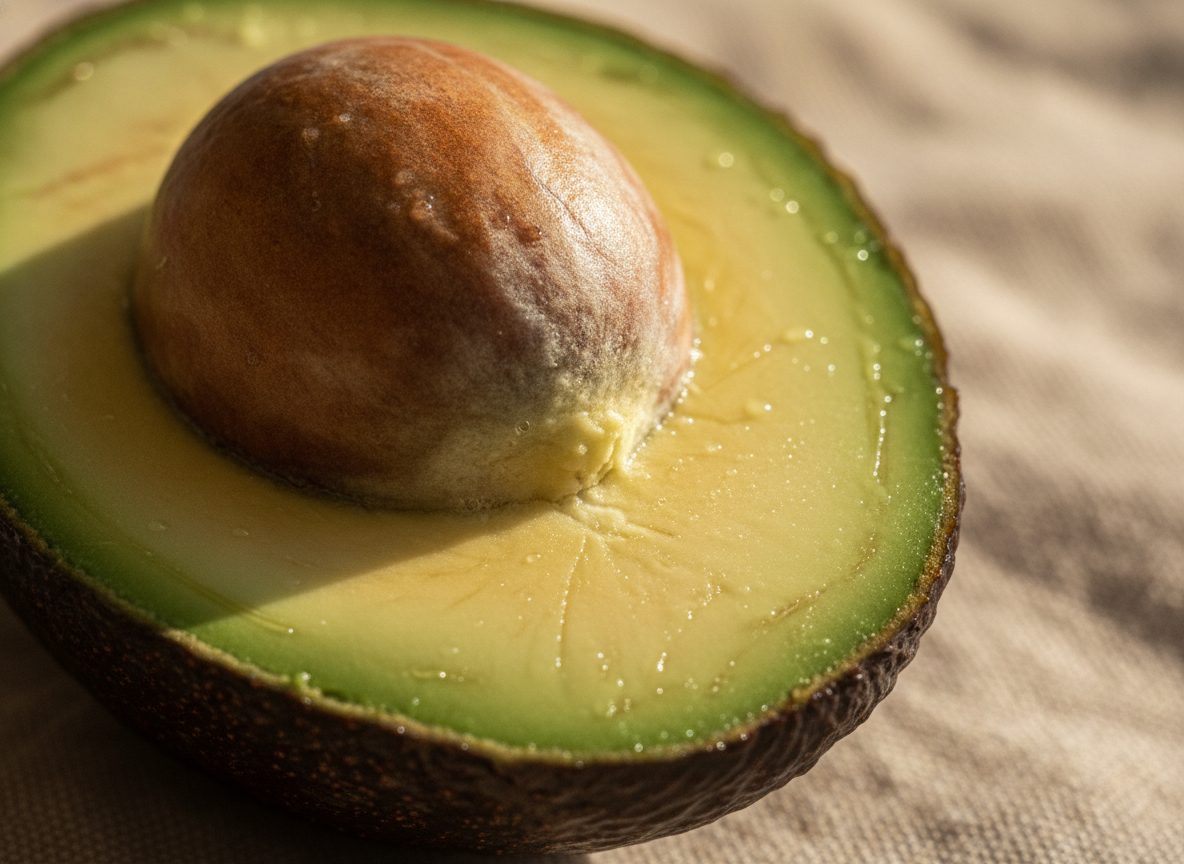
FIG. 03 - THE FLESH, UP CLOSE
§ 02
The Science
The avocado (Persea americana) is biologically unusual. It has a protogynous dichogamy flowering system, meaning on any given day, the same tree has its flowers open either as female (receptive to pollen) or male (releasing pollen), but never both simultaneously. In practice this means avocados need two trees, or at least cross-pollination from another variety, to fruit well. Commercial orchards account for this with careful variety pairing.
There are three horticultural races of avocado: Mexican (cold-hardy, small thin-skinned fruit), Guatemalan (larger, thick-skinned, excellent shelf life), and West Indian (tropical, low-oil, less commercially important globally). The Hass is a natural hybrid, approximately 61% Mexican and 39% Guatemalan genetics, which is why it combines cold tolerance (allowing California production) with the thick, protective rind of the Guatemalan race.
The Key Insight
One seedling. One tree. Every Hass avocado on earth.
Every single Hass avocado consumed anywhere in the world is a genetic clone of one stubborn seedling that refused to accept a Fuerte graft on a postal worker's property in La Habra Heights, California, in 1926. The original Hass Mother Tree died of root rot in 2002, aged 76. But by then it had already spawned tens of millions of clones across six continents. There is no genetic diversity within the Hass variety, every tree is identical. This is the industry's greatest commercial asset and its greatest existential vulnerability.
The thick rind that made Hass commercially viable, it hides bruising and damage accumulated during harvest and shipping, giving the fruit a longer shelf life than any competing variety, was initially seen as a defect. Rudolph Hass thought his seedling was ugly. It was his children who insisted the flesh tasted better than the green Fuertes he was trying to grow. He came around.
From a growing standpoint, avocado is demanding. It is sensitive to frost (below -2°C can destroy a crop), intolerant of waterlogged soils, and highly water-intensive, requiring between 700 and 1,000 litres of water per kilogram of fruit depending on the climate and irrigation method. It takes a young tree three to five years before it begins bearing fruit, which makes rapid supply expansion expensive and slow.
Hass has one notable biological advantage: it can produce up to four flowering flushes per year, allowing year-round production from mature trees. Combined with its multi-hemispheric cultivation, this is how a fruit with a 6-month seasonal window in any single region became a year-round supermarket staple worldwide.
"One ungrafted seedling, from parents we still can't fully identify, became the parent of the entire global Hass industry. Traditional breeding might never have achieved this particular combination of traits deliberately."
Frutplanet Research, 2026
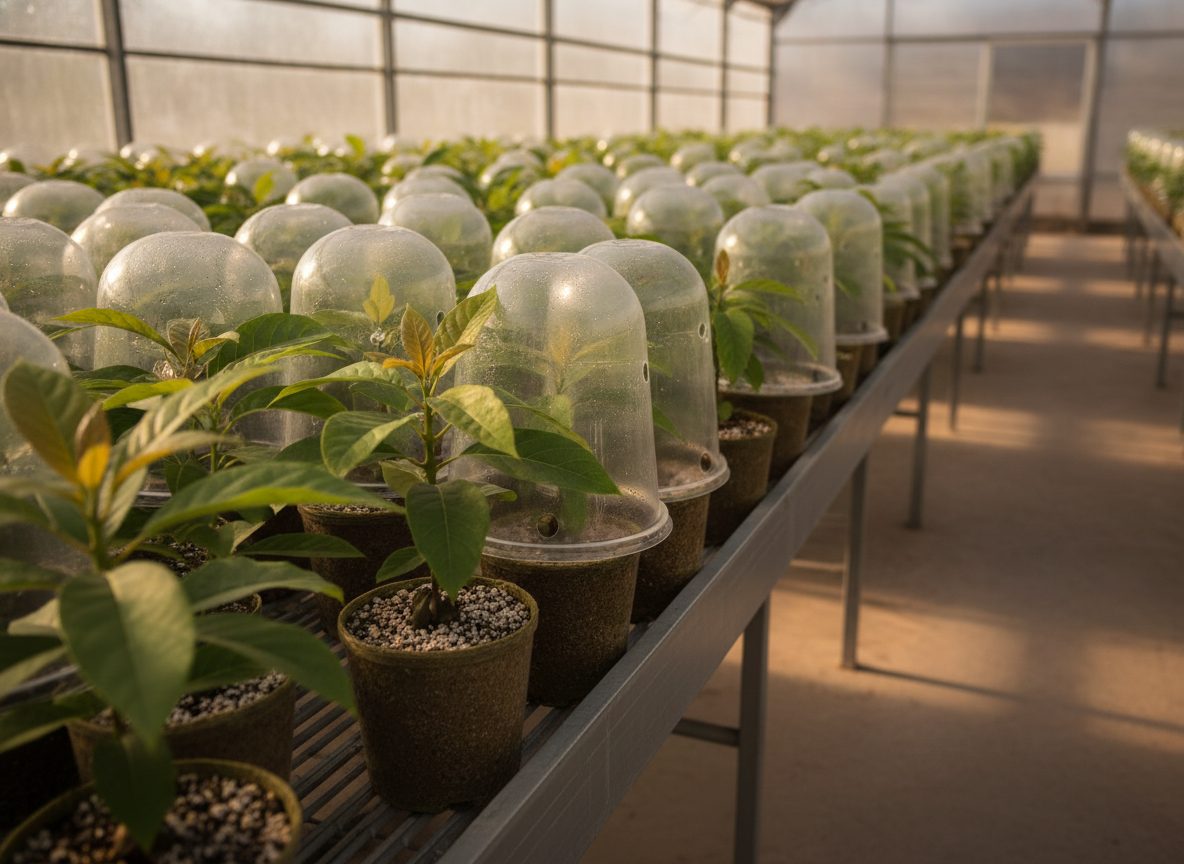
FIG. 04 - GRAFTED IN THE NURSERY
§ 03
Genetics & The Companies Behind the Fruit
Unlike table grapes or apples, where private genetics houses drive significant proprietary variety development under royalty and licensing models, the avocado industry has historically operated differently. Because Hass is an open-access variety (the original patent expired in 1952 after earning Rudolph Hass a total of $4,800), the commercial fruit is essentially a commodity of free genetic material.
However, the next generation of breeding is now proprietary. Universities, government programs, and private companies are actively developing improved varieties targeting: better cold tolerance, more consistent alternate-bearing behavior, earlier harvest windows, reduced water requirements, and Hass-comparable consumer acceptance. The commercial stakes are enormous, any variety that captures even 5% of the global Hass market represents billions in licensing potential.
Mission Produce
Oxnard, California · Founded 1983 · NASDAQ: AVO
Founded by Steve Barnard and Ed Williams, Mission is the world's largest avocado distributor. Revenue ~$1.43B (TTM 2025). Pioneered the ready-to-eat ripening model. Operates in 10 countries, supplies 25. World's No. 1 exporter from Mexico. Has expanded into mangos and blueberries. Recent Calavo Growers acquisition attempt noted.
Distribution / Vertical Integration
UC Riverside Breeding Program
California · Public University Research
The most significant publicly-funded avocado breeding program. Key outputs include Carmen (extended harvest, cold tolerance), GEM (a Hass seedling with superior fruit size discovered in Camarillo, consistent bearing, strong commercial uptake), and Lamb Hass (larger fruit, similar flavor profile). GEM is now commercially significant.
Public Breeding / Variety Development
ProHass Peru
Lima, Peru · Founded 1999 · Industry Association
Represents 69 producing and exporting companies. Founded when Peru had just 2,000 ha of Hass avocados. Now coordinates 84,000 ha and 30,000 producers. Engineered Peru's rise to the world's No. 2 exporter position. Critical in opening 70 international markets and building EU market share (45% of EU consumption).
Industry Coordination / Export Promotion
Eurobanan / Cobana
Spain / European Distribution Networks
European avocado distribution has consolidated around specialist importers who control ripening and logistics. The Netherlands, which produces zero avocados, handles the majority of European re-export volume due to Rotterdam's port infrastructure. European import volumes into the Netherlands grew 235% in the decade to 2023.
Distribution / European Logistics
Westfalia Fruit
South Africa · Global Footprint
One of the world's largest avocado producers and marketers, with farming operations in South Africa, Mozambique, Tanzania, Peru, Chile, Colombia, and Spain. Key player in the counter-seasonal supply to Europe during Northern Hemisphere off-seasons. Strong sustainability credentials and one of the few truly vertically integrated global players outside Mexico.
Production / Global Marketing
Hass Avocado Board (HAB)
US Federal Program · Est. 2000
Established by a 2000 federal law specifically to promote Hass avocado consumption in the US. The board, funded by a per-unit assessment on avocados marketed in the US, is responsible for the Super Bowl guacamole campaign that became one of the most successful agricultural marketing programs in US history, contributing to the 600% increase in Super Bowl avocado consumption over three decades.
Promotion / Federal Marketing Order
Flag: The avocado sector lacks the concentrated private genetics IP concentration seen in table grapes (Sun World, IFG) or stone fruit. Variety development remains fragmented across university programs and large growers. Watch for consolidation as proprietary breeding becomes more commercially viable.
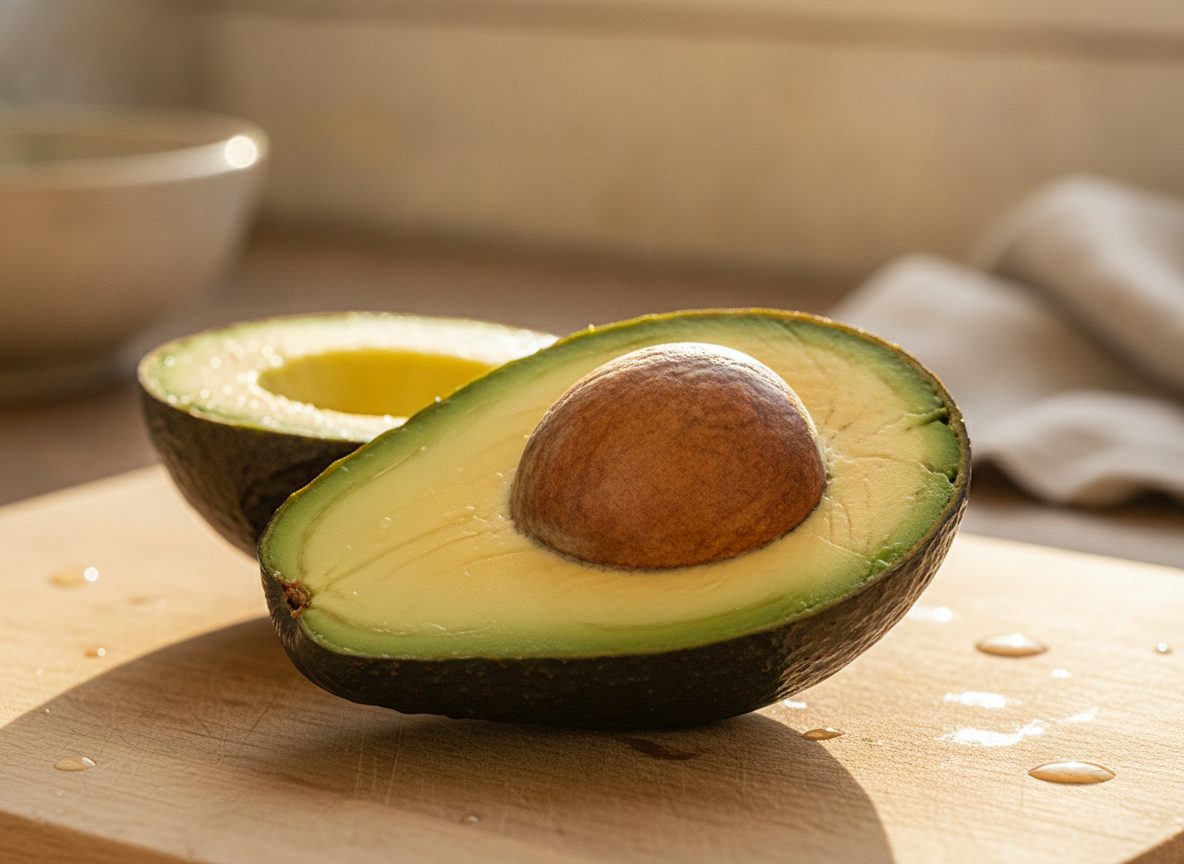
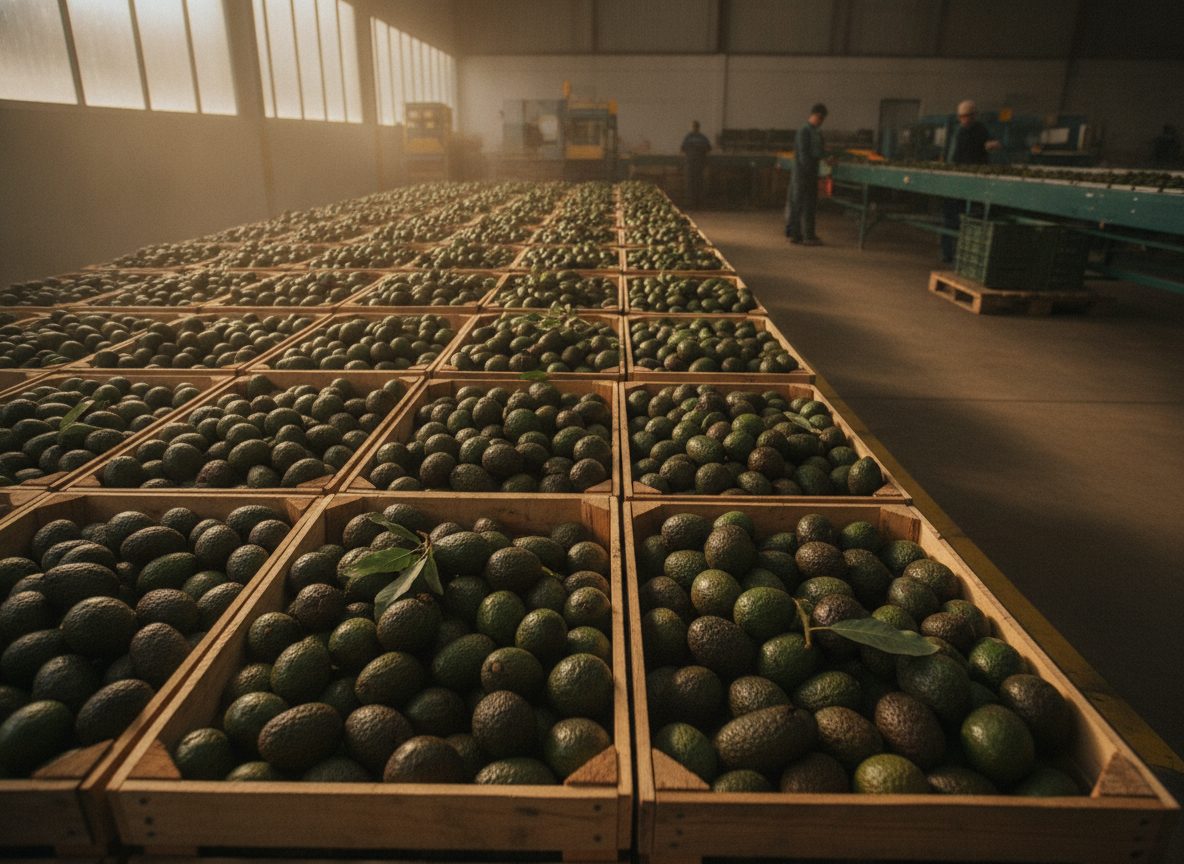
FIG. 05 - PICKED AND CRATED
§ 04
Import & Production Data
Global Avocado Production, Million Metric Tonnes (FAO / Statista)
2.6M
2001
3.1M
2004
3.7M
2007
4.5M
2010
5.5M
2013
6.4M
2016
7.7M
2018
8.5M
2019
8.6M
2020
9.1M
2021
9.5M
2022
10.47M
2023
~10M
2024
Source: FAOSTAT via Statista, Feb 2025. 2024 estimate. Note: 106% growth over the decade 2013–2023.
Top Producing Countries, 2023 (FAOSTAT estimates)
Mexico
2.9M t
28.4%
Colombia
1.09M t
10.4%
Dominican Rep.
1.02M t
9.7%
Peru
983K t
9.4%
Indonesia
~640K t
~6.1%
Kenya
~530K t
~5.1%
Brazil
~410K t
~3.9%
Chile
~290K t
~2.8%
Source: FAOSTAT, Statista, AtlasBig. Estimates where exact figures unavailable.
Top Importing Countries / Markets, Latest Available Data
Country
Import Volume
Share of Imports
Trend
Notes
United States
~2.7B lbs / yr ~$3.8B value 2023/24
~35%
▲ +55% since 2013
90% from Mexico
Netherlands
385K tonnes +235% since 2013
~14%
▲ Rapid growth
European re-export hub
United Kingdom
Est. 90–110K tonnes
~7%
▲ Strong growth
Key Peru destination post-Brexit
France
Est. 80–100K tonnes
~6%
▲ Growth
Via Netherlands primarily
China
43,365 t from Peru alone (2025)
<5% (rising fast)
▲ Fastest growing
USDA projects overtaking Peru by volume as importer soon
Spain
Est. 70–90K tonnes imports + domestic
~5%
▲ Growth
Also domestic producer (Andalusia)
Germany
Est. 60–80K tonnes
~4–5%
→ Stable growth
Via Netherlands; strong retail penetration
Japan
21,683 t from Peru (2025)
~3%
▲ Growth
Long-established market; quality-focused
Sources: USDA FAS, Statista, ProHass Peru (2025), Freshfruitportal. Volume estimates for EU countries. US figures in pounds converted.
Top Exporting Countries, 2024/2025 Volume
Mexico
~1.2M t (2024)
No.1
Peru
722K t (2025 record)
No.2
Netherlands
~385K t re-export
No.3*
Colombia
~240K t
No.4
Chile
~190K t
No.5
Kenya
~145K t
No.6
South Africa
~110K t
No.7
*Netherlands re-exports only, not original production. Sources: Statista, ProHass, FreshPlaza, USDA. Kenya/South Africa volumes estimated.
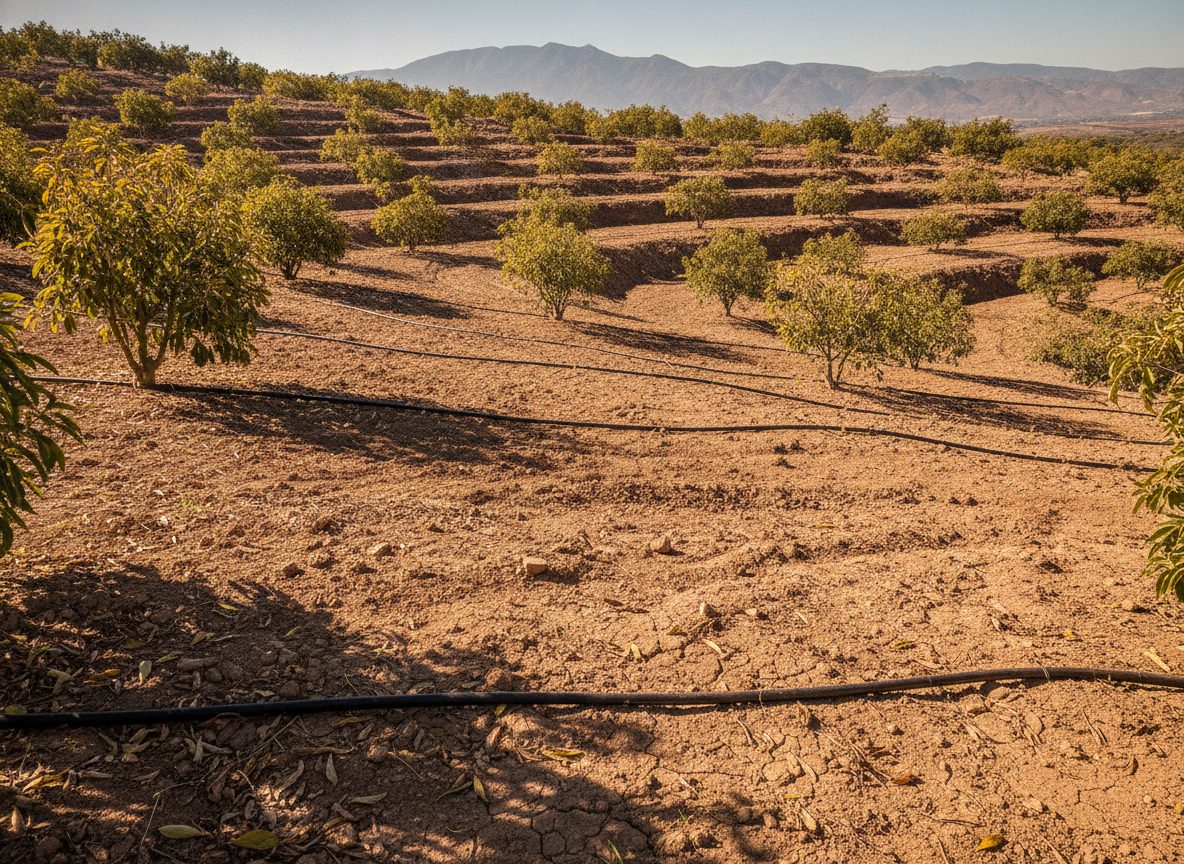
FIG. 06 - THE WATER IT TAKES
§ 05
Environmental & Social Concerns
The avocado's environmental story is complicated and context-dependent. In some regions, it is a relatively efficient crop. In others, particularly the high-demand export zones of Michoacán, Mexico, the evidence of systemic damage is mounting, documented, and serious. The following is an honest account, not a PR summary.
Concern
🌲
Deforestation in Michoacán
A 2023 Climate Rights International report documented illegal deforestation and water theft in Michoacán and Jalisco, estimating between 40,000 and 70,000 acres of avocado-driven forest loss in those states. A separate academic study projected an additional 62,000–67,000 ha of pine-oak forest loss to avocado expansion by 2050. Roughly one-fifth of all deforestation in Michoacán from 2001–2017 was attributed to avocado farming.
Concern
💧
Water Stress
Avocado requires 700–1,000 litres per kilogram. Research at the municipal level in Michoacán found water consumption may exceed agricultural water rights by up to 124%. Mexico's national water authority has denied new water rights in three key avocado-producing basins due to surface water deficits. Aquifer overexploitation is documented intermittently. Water disputes and social unrest have been reported.
Concern
⚠️
Cartel Involvement & Violence
Michoacán's avocado industry, which produces the majority of the world's export supply, operates in a region with significant organized crime presence. Climate Rights International documented threats, attacks, and killings of indigenous leaders and residents seeking to defend forests and water. Mexican avocado's "green gold" status has made the industry a cartel revenue stream.
Concern
🌡️
Pesticide Intensity
Academic studies in Michoacán documented pesticide use comprising 55% insecticides (neonicotinoid/pyrethroid groups), 11% herbicides, and 33% fungicides. Continuous management requirements across multiple annual flowering flushes means year-round pesticide application. Linked to biodiversity decline and adverse human health outcomes for farmworkers in the region.
Positive
📊
Lower Footprint Than Beef / Chocolate
The World Avocado Organisation estimates an average water footprint of ~800 litres/kg and 2.4 kg CO₂ per kg, larger than bananas and cherries, but substantially smaller than beef, chocolate, and coffee. For consumers looking to reduce animal protein, avocado as a fat source compares favourably on most sustainability metrics.
Positive
🌱
Peru's Social Impact
ProHass's general manager describes Hass avocado as the export crop with the most social impact in Peru, more than 30,000 producers, almost entirely small-scale, depend on it. Peru's 2001 Agrarian Promotion Law created legal stability and tax benefits that enabled formal agricultural employment at scale. The 2025 export record of 722,754 tonnes was driven primarily by productivity improvements, not expanded planted area.
Positive
✅
Mexico's Deforestation-Free Push
From January 2026, non-compliant Mexican avocados do not qualify for export. President Claudia Sheinbaum announced a federal certification system for deforestation-free, forced-labor-free avocados. Michoacán's "Pro-Forest Avocado" program predates this federal push. The accountability and monitoring mechanisms signal that market access is now conditional on environmental compliance.
Positive
💦
Precision Irrigation Adoption
California avocado operations have adopted drip irrigation at scale, a study verified that precipitation in normal/wet winters can cover the full water requirement for California trees (2023 and 2024 both confirmed). Peru's ProHass has implemented advanced post-harvest technologies and is testing transit-time reduction for distant Asian markets, reducing refrigeration energy.
Country Stress Profile, Environmental & Social Severity
Mexico (Michoacán)
Critical
Documented deforestation, aquifer overexploitation, water rights violations, cartel activity, and worker safety concerns. Now facing federal export compliance requirements from Jan 2026. The world's No. 1 supplier with the world's most contested supply chain.
Peru
Moderate
Water use concerns in coastal desert growing regions (La Libertad, Ica) where all agriculture is irrigated. However, formal labour structures, small-producer dominance, and government oversight make it a relatively well-governed supply chain. Strong social impact narrative.
Colombia
Moderate
Rapid Hass expansion in Antioquia and other regions raises land conversion concerns. Water use documented in multiple analyses as a growing concern. Labour conditions generally better than Mexico. Colombia's domestic avocado culture (native varieties) is separate from its Hass export sector.
California, USA
Low–Moderate
Regulated water use, drip irrigation adoption, and documented compliance with environmental standards. Water remains a chronic concern in a drought-prone state, but per-tree water requirements are well-characterised and managed. Labour protections are among the strongest of any major producing region.
Kenya
Moderate
Smallholders dominate (~70% of farmers) creating traceability and market access challenges. Rapid production expansion raises questions about resource management. Hass accounts for 70% of production; the shift from traditional varieties represents a cultural and ecological change still being assessed.
Spain (Andalusia)
Moderate
Expansion into an already water-stressed region of southern Europe. Documented concerns about avocado farming competing with other water users in Andalusia. Greenhouse methods used to counter water scarcity but add energy load. Regulatory oversight is stronger than in most producing regions.
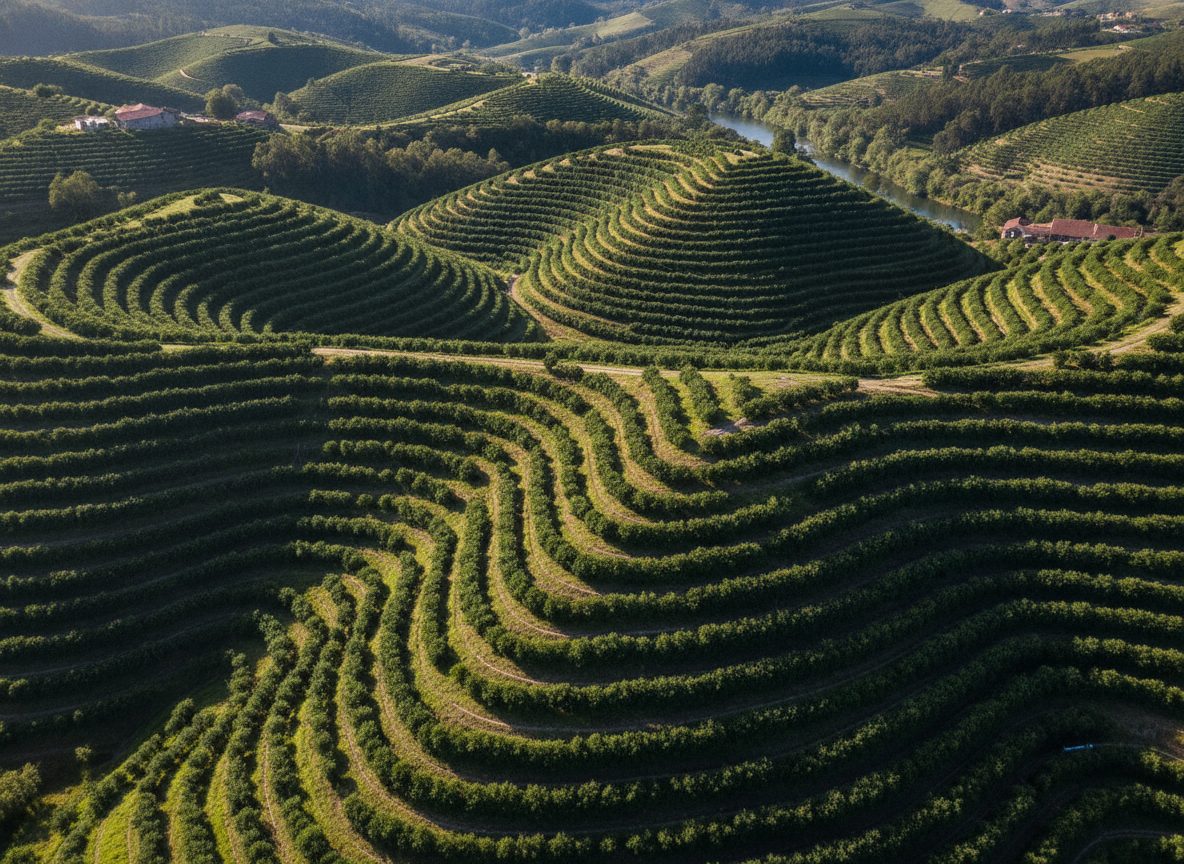
FIG. 07 - ORCHARDS ON THE HILLSIDE
§ 06A
The Origin Story: From Colombia to California to the World
This is the thread for your video series. The full avocado story is actually three distinct stories that converge into one global commodity, and each one is remarkable on its own terms.
~10,000 BC
Mesoamerican OriginsEvidence of avocado consumption in the Tehuacán Valley of central Mexico dates back potentially 10,000 years. The Olmecs, Maya, and Aztecs all cultivated and revered the fruit. In Nahuatl, it was called ahuacatl, a word that also meant "testicle," owing to the shape of the hanging pairs. The 14th month of the Maya calendar was represented by the avocado glyph.
~750 BC
Peru, Ancient CultivationDomesticated avocado crops are documented in Peru dating back to 750 BCE. The fruit had already traveled from Mesoamerica throughout South America by the time Spanish explorers arrived, consumed from Mexico to Peru across dozens of indigenous cultures.
1500s
The Spanish Record ColombiaWhen Spanish explorers arrived in what is now Colombia, they encountered avocados consumed as a daily staple, mashed, sliced, eaten with corn, mixed into stews. One early explorer wrote that its flesh was "like butter and is of marvelous flavor, so good and pleasing to the palate that it is a marvelous thing." The Spanish brought the fruit to Europe and to their other colonies. This is the beginning of globalisation for the avocado.
Today, Colombia
The Colombian TableColombia's native avocados, large, smooth-skinned, low-oil, with an aniseed character distinct from Hass, are consumed differently to how the rest of the world eats avocado. Sliced on arepas (cornmeal cakes). Mixed into salads. Blended into smoothies. Eaten with breakfast alongside chorizo and egg, just as it has been for centuries. This is avocado as ancient food culture, not trend. Colombian Hass export expansion is a separate, newer story running parallel to this cultural heritage.
1870–1910
Avocado Arrives in CaliforniaAvocados were introduced to California in the early 1800s. By the late 19th century, a small commercial industry had developed around the Fuerte variety, green-skinned, smooth, well-flavored, but fragile. It dominated California orchards and US consumption through the early 20th century.
1926
Rudolph Hass Plants Three SeedsA 25-cents-an-hour postal worker and amateur horticulturist named Rudolph Hass pools his savings and a loan from his sister to buy 1.5 acres in La Habra Heights, California. He acquires three seedlings from a Whittier nursery, thought to be Guatemalan Lyon variety, plants them, and attempts to graft the strongest onto his existing Fuerte trees. Two grafts take. One tree refuses. He considers cutting it down.
1930s
The Stubborn Seedling Proves Its WorthThe ungrafted seedling produces fruit Hass thinks is ugly, dark, rough, almost black when ripe. But his children love the taste. He tries it. Agrees. The flesh is creamier, nuttier, richer than the Fuerte. The rind, which he initially saw as a flaw, turns out to be the variety's commercial superpower: it hides bruising from harvest and shipping, giving the fruit far superior shelf life than any existing commercial variety.
1935
The Patent, and Its LimitsHass patents his avocado, the first plant patent ever issued in the US (Plant Patent No. 139). He partners with a commercial nursery to graft buds from the mother tree to rootstock. But enforcement is nearly impossible. Growers simply graft Hass cuttings without paying royalties. By the time his patent expires, Hass has earned a total of $4,800 from the variety that now generates billions annually. He dies in 1952, his family never having seen the wealth the tree created.
1970s–80s
Hass Becomes the Industry StandardBy the late 1970s, Hass has displaced Fuerte as California's dominant variety. Mission Produce is founded in 1983 by Steve Barnard. The "Avocado Revolution" begins: better variety, the ripening innovation, and consumer health awareness combine to drive rapid growth in US consumption.
1994
NAFTA, The Game ChangerThe North American Free Trade Agreement opens the US border to Mexican avocados after an 80-year import ban. California growers protest. Mexico insists on access as a quid pro quo for US corn exports. The Mexican Avocado industry immediately begins marketing guacamole as a Super Bowl staple. US per capita consumption triples within two decades. The seasonal, California-only market becomes a year-round, Mexico-dominated category overnight.
1999
Peru Enters, With 2,000 HectaresProHass is founded in Peru. At the time: 2,000 hectares of Hass avocados, exports totaling 479 tonnes. A deliberate, export-focused industry is established from the ground up, not a subsistence crop that became commercial, but a commercial crop engineered for export from day one.
2000–2015
The Millennial BoomUS avocado sales quadruple. The avocado becomes a cultural icon, avocado toast, the Super Bowl, Instagram food photography. Between 2000 and 2015, the "superfood" narrative takes hold. Health-conscious consumers drive demand in Europe. Australian brunch culture spreads the avocado toast format globally.
2025
Peru Sets a RecordPeru exports 722,754 tonnes of Hass avocados, a 38% increase on 2024, achieved with virtually no increase in planted area. ProHass projects 773,000 tonnes for 2026 and a target of 1 million tonnes by 2030. From 479 tonnes in 1999 to 722,754 tonnes in 2025: the most successful deliberate agricultural export development story of any produce category in the last 25 years.
"No export fruit has as much social impact in Peru as Hass avocado. What started in 1999 with 2,000 hectares and a few hundred tonnes has transformed the livelihoods of 30,000 families and made Peru the world's second-largest exporter."
Arturo Medina, General Manager, ProHass, FreshPlaza, 2025
§ 07
Outlook: What Comes Next
🇨🇳 China, The Next Frontier
USDA projections suggest China could overtake Peru as a volume importer. Peru exported 43,365 tonnes to China in 2025, small relative to Europe, but growing fast. Purchasing power, urbanisation, and health food trends make China the most significant demand-growth market of the next decade. The logistics challenge of air vs. sea (refrigeration cost, carbon) remains the key constraint.
🧬 Genetic Monoculture Risk
Every Hass avocado tree on earth is genetically identical. This is the industry's greatest structural vulnerability. A single pathogen, like the Phytophthora root rot that killed the original Hass Mother Tree, with the right adaptive characteristics could cause global crop failure. The sector is aware of this; breeding programs exist, but no challenger variety has approached Hass's commercial profile.
🌡️ Climate Vulnerability
Temperature increases and worsening water scarcity threaten Michoacán specifically. Academic projections show declining yields and increased tree mortality in the world's most important producing region under climate scenarios. This potentially accelerates the already-rising importance of Peru, Colombia, and African producers as climate-resilient alternatives.
📜 Regulatory Pressure
Mexico's January 2026 deforestation-free export requirement is the most significant regulatory development in recent years. The EU Deforestation Regulation (EUDR), which requires supply chain traceability for products linked to deforestation, will apply to avocados. Compliance infrastructure is expensive; smaller growers in Mexico may face export exclusion.
🇿🇦 Africa Rising
Kenya and South Africa are both growing export bases. Kenya's smallholder sector is poorly documented but significant by volume. Westfalia Fruit (South Africa) is one of the most sophisticated global operators. Tanzania, Mozambique, and Ethiopia are all expanding planted area. African production offers counter-seasonal supply to complement Mexico/Peru/Colombia.
💲 Price Trajectory
Peru's 38% export volume increase in 2025 drove price pressure, more supply without equivalent demand growth creates headwinds. The industry navigated a "huge supply surge" in 2025 successfully. Long-term, demand growth from China, Eastern Europe, and Southeast Asia should absorb continued supply expansion. Near-term, oversupply remains the primary risk.
The Watch Insight, For Your Video Series
Peru's story is the greatest agricultural export success of the last 25 years. And almost no one outside the industry knows it.
From 479 tonnes in 1999 to 722,754 tonnes in 2025. From 2,000 hectares to 84,000. From 0 export markets to 70. Driven by small-scale producers, a deliberate government policy framework, a proactive industry association, and one variety, Hass, that a California postman discovered accidentally in 1926. That chain of cause and effect, from La Habra Heights to Lima's coastal fields, is a genuine story. The Colombian cultural heritage, the California accident, and the Peruvian export miracle are three acts of the same story. That's your series.